
Planting
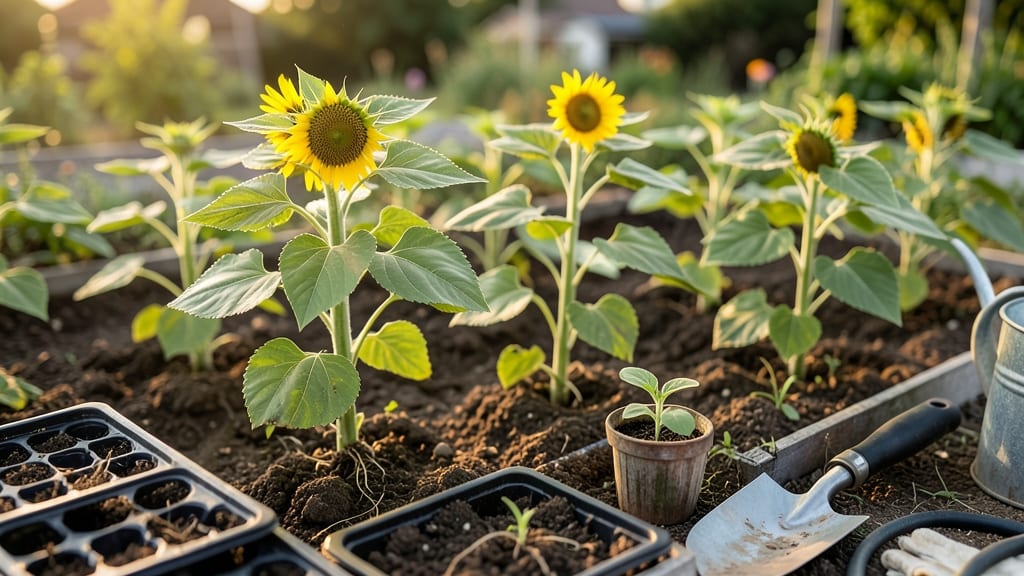
You can absolutely plant sunflowers in June—even though it’s not the traditional window—but timing is everything for those towering 🌻 stalks to thrive. While most gardeners start in spring, June planting still works in USDA Zone 6a with the right approach, especially if you pick fast-maturing varieties.
The key is choosing sunflowers that mature in 50-70 days or less, giving them enough time to bloom before cooler fall weather sets in.
Late-season planting might mean smaller blooms or shorter stems, but with proper care—like consistent watering and full sun exposure—you can still enjoy vibrant flowers by late summer.
If you’re wondering whether to risk it, consider this: June sunflowers often face fewer pests and can even provide late-season color when other flowers fade. Just avoid overcrowding and watch for signs of stress, like wilting or yellowing leaves, which signal the need for more water or shade.
Ready to give it a try? I’ll walk you through the best varieties, planting tips, and how to troubleshoot common issues so your June sunflowers stand tall and proud—no matter what the season brings.

Best late-season sunflower varieties for June planting
June planting may feel like a gamble, but with the right fast-maturing sunflower varieties, you can still enjoy vibrant blooms and sturdy stems before frost. The key lies in selecting short-season hybrids and dwarf varieties that thrive in limited growing windows.
These sunflowers prioritize height growth and flower production over lengthy vegetative stages, making them perfect for late starts.
When planting in June, focus on varieties with 50-70 day maturity timelines. These quick-sprouting sunflowers can reach mature heights of 3-6 feet even when planted late, offering both aesthetic appeal and pollinator benefits. Some even produce edible seeds before winter arrives, giving you a dual-purpose harvest.
For gardeners with limited space, dwarf sunflowers are ideal—they mature quickly and stay compact, perfect for container growing or small gardens. Even in cooler late-season conditions, these varieties maintain strong stems and vibrant petals, ensuring your garden stays colorful well into fall.
| Variety | Height | Days to Mature | Best For | Notes |
|---|---|---|---|---|
| Teddy Bear | 3-4 ft | 50-55 days | Containers, cut flowers | Fuzzy petals, drought-tolerant |
| Moulin Rouge | 4-5 ft | 60-65 days | Cutting gardens | Deep red petals, strong stems |
| Autumn Beauty | 4-6 ft | 65-70 days | Pollinators, seed production | Multi-colored blooms, cold-hardy |
| Russian Giant | 10-14 ft | 80-90 days | Tall gardens, shade breaks | Needs staking, late bloomer |
| Little Becka | 2-3 ft | 55-60 days | Small spaces, borders | Compact, great for containers |
If you're planting in USDA Zone 6 or warmer, prioritize varieties like Autumn Beauty or Moulin Rouge, which balance fast growth with late-season resilience.
For cooler climates, Teddy Bear or Little Becka will thrive in containers or raised beds, where you can extend their growing season with protective covers.
For edible sunflower seeds, choose Russian Giant or Autumn Beauty—both produce high-yield seeds even when planted late. Just be prepared to harvest seeds before frost by covering plants with frost cloth or bringing containers indoors during cold snaps.
When selecting seeds, always check the packet for "days to maturity" and choose varieties labeled "early" or "fast-growing". Avoid tall standard varieties like Mammoth, which need 90+ days to mature and may not reach full potential when planted in June.
Pro tip: Pair your late-season sunflowers with cool-season crops like kale or spinach to maximize garden space. The sunflowers will provide shade and pollinator support while the greens thrive in the cooler fall temperatures.
With the right sunflower variety and care adjustments, your June planting can still yield stunning blooms and healthy stems—proving that late starts aren’t a dealbreaker for sunflowers. Just remember: shorter days mean faster growth, so focus on strong stems and quick blooming over towering heights.
🌻
Step-by-step guide to planting sunflowers in June for maximum growth
June planting might feel risky, but sunflowers can still thrive with the right approach. The key is choosing fast-maturing varieties and giving them optimal growing conditions from day one. Since summer days are long, your sunflowers will benefit from extra sunlight and consistent moisture to compensate for the late start.
Sunflowers planted in June won’t have the full summer to reach their maximum height, but with proper care, you can still enjoy vibrant blooms and even harvest seeds. The secret lies in soil preparation, correct spacing, and smart watering techniques that prevent stress during the hottest months.
- 1 Choose the right spot: Select a location with full sun exposure (6+ hours daily) and well-draining soil. If your garden gets afternoon shade, opt for dwarf varieties like 'Teddy Bear' that tolerate partial shade better.
- 2 Prepare the soil: Loosen soil to 12 inches deep and mix in 2 inches of compost. For containers, use a lightweight potting mix with perlite for drainage. Test soil pH (ideal: 6.0-7.0) and amend if needed.
- 3 Plant seeds properly: Sow seeds 1 inch deep and 6 inches apart in rows 24 inches apart. For containers, plant 1-2 seeds per 5-gallon pot. Thin seedlings to the strongest one per spot when they reach 3 inches tall.
- 4 Water wisely: Keep soil consistently moist (not soggy) for the first 4 weeks. Water deeply in the morning to prevent fungal diseases. Once established, reduce to every 2-3 days during heatwaves, focusing on the root zone.
- 5 Fertilize lightly: Apply a balanced 10-10-10 fertilizer at planting and again when plants reach 12 inches tall. Avoid over-fertilizing, which can weaken stems. For containers, use half-strength fertilizer every 4 weeks.
- 6 Support tall varieties: If planting standard sunflowers, install stakes or cages when plants reach 2 feet tall to prevent wind damage. For containers, choose dwarf varieties that don’t require support.
- 7 Extend the season: Mulch with 2-3 inches of straw to retain moisture and regulate soil temperature. In cooler climates, consider a light frost cloth if nights dip below 50°F after planting.
Container gardening is perfect for June sunflowers since pots warm up faster and give you control over soil conditions. Use large containers (5+ gallons) with drainage holes and place them in south-facing locations. Remember to water containers more frequently than in-ground plants since they dry out faster.
With these steps, your June-planted sunflowers will develop strong stems and bright blooms despite the late start. Even if they don’t reach their full potential height, you’ll still enjoy cheerful flowers and possibly edible seeds by late summer or early fall.
The key is patience and consistent care during these critical early weeks.
Don’t forget to monitor for pests like aphids and diseases such as powdery mildew, which are more common in late-season plantings. A quick spray of neem oil can often prevent