
Blooming
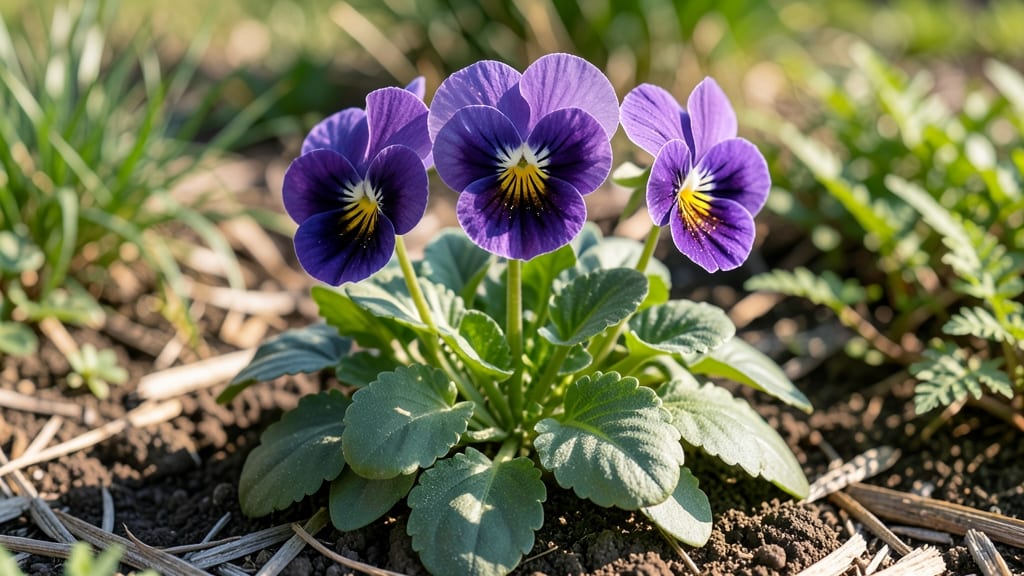
If you're craving vibrant, cheerful blooms that defy summer's heat, pansy flowering season is your secret weapon—these cool-weather darlings burst into color when most gardens fade to green. 🌸 Their secret? Thriving in temperatures that make other flowers wilt, pansies deliver nonstop blooms from early spring through crisp fall mornings.
But here's the catch: timing your planting makes all the difference. In USDA Zone 6 (and similar cooler climates), fall-planted pansies often outlast their spring counterparts, giving you flowers until the first hard frost.
The key? Knowing exactly when to tuck them into the soil for maximum impact—whether you're aiming for spring's first blush or autumn's final flourish.
What most gardeners don't realize is that pansies aren't one-size-fits-all. Some varieties bloom early, others linger late, and a few even tolerate light winter snows.
I'll show you how to match the right types to your climate zone, plus pro tips to stretch their flowering season from March through November—or even longer with the right care.
Ready to transform your garden into a year-round color show? Let's dive into the perfect planting schedule, seasonal care hacks, and the best pansy varieties to keep your landscape blooming like it's always spring—even when the weather says otherwise.
Pansy flowering season: optimal planting times by US hardiness Zone
Pansies are cool-season champions that bloom best when temperatures hover between 40°F and 75°F. This makes them perfect for spring and fall planting, but the exact timing depends on your USDA hardiness zone.
In colder zones (3-5), pansies can even survive light frosts, while warmer zones (8-10) may need shade protection during summer heat. The key to long-lasting blooms lies in planting at the right time—typically 4-6 weeks before your first frost for fall or right after your last frost in spring.
Fall planting is often the secret to nonstop pansy blooms. When you plant pansies in late summer or early fall, they establish roots before winter and burst into color as soon as spring arrives. This strategy gives you earlier and longer flowering than spring-planted pansies.
For example, in Zone 5, planting in September ensures blooms by April, while spring planting in March may not flower until May. The trade-off? Fall-planted pansies may fade faster in summer heat unless you choose heat-tolerant varieties like 'Matrix' or 'Sorbet'.
In Zones 3-4, where winters are harsh, focus on cold-hardy varieties like 'Cool Wave' or 'Ice King'. These types can handle sub-zero temperatures and often bloom through late fall into winter if protected by a light mulch layer.
For example, planting in late August ensures flowers by October, adding color when many other plants have faded. In contrast, Zone 9-10 gardeners should avoid summer heat by planting in late fall or winter and providing afternoon shade to prevent wilting.
Did you know that late summer replanting can give you a second flush of pansy blooms? In Zones 5-8, planting a second batch in late July or August often results
How to extend pansy blooms through all four seasons
Pansies are nature's gift for gardeners craving year-round color. With the right care, they can bloom from early spring through late fall, even in Zone 4-7 climates. The secret lies in combining proactive maintenance with seasonal adjustments that keep your plants healthy and productive.
I've learned through years of experimenting that deadheading isn't just about looks—it's a biological trigger that tells pansies to produce more flowers. But that's only part of the equation.
You'll also need to master pest prevention, soil nutrition, and winter protection to create the perfect conditions for continuous blooming.
🌸 Pro Tips to Extend Pansy Blooms
- Deadhead daily: Snip spent blooms at the base to prevent seed formation and encourage new flower production.
- Companion plant: Surround pansies with marigolds or garlic to deter aphids and other pests naturally.
- Fertilize strategically: Use balanced 10-10-10 fertilizer every 4-6 weeks during spring and fall growing seasons.
- Mulch heavily: Apply 3-4 inches of straw mulch in Zone 4-7 winters to protect roots from freezing.
- Rotate containers: Move potted pansies to shadier spots in summer to prevent leaf scorch while maintaining cool-season growth.
For spring blooms, I start by removing old mulch and adding compost-rich soil to give plants a nutrient boost. This is when pansies really perk up after winter dormancy. I've found that early morning watering (before 9 AM) prevents fungal diseases that can shorten bloom cycles.
The summer challenge is heat stress, which causes pansies to go dormant. My solution? I plant shade-loving varieties like 'Cool Wave' series and keep soil consistently moist. A light layer of mulch helps maintain even moisture levels while preventing soil-borne diseases.
When fall arrives, I switch to a high-phosphorus fertilizer (like 5-10-10) to encourage robust root development and winter hardiness. This prepares pansies for their second major bloom period that often lasts through November and December in milder climates.
In Zone 4-7 winters, my absolute must-do is heavy mulching with straw or leaves. I've seen pansies survive -20°F temperatures when properly protected, then burst into bloom again as soon as spring temperatures rise. The key is to avoid disturbing plants until new growth appears.
With these techniques, I've extended my pansy season by 8-10 weeks beyond what's typical. The secret is treating pansies like the perennial workhorses they are—giving them consistent care and adapting to seasonal changes. Your garden will thank you with nonstop color from March through November! 🌿