
Planting
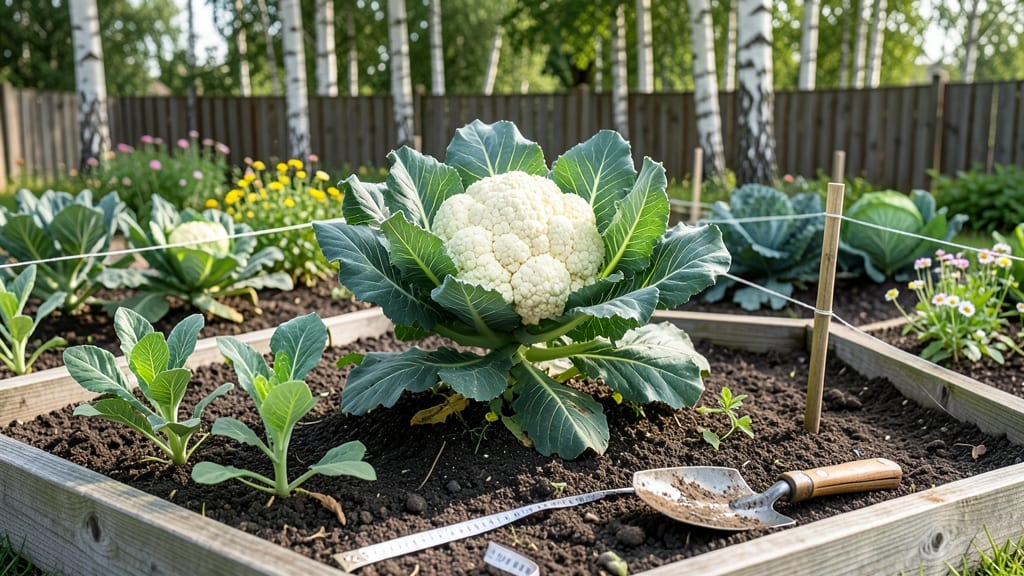
To grow bushy, pest-free cauliflower like a pro, how far apart should cauliflower be planted is the game-changer most gardeners overlook. Plant your 🥬 too close, and you’ll end up with stunted heads and a cabbage moth buffet—too far apart, and you’ll waste precious garden real estate.
The ideal distance isn’t just about numbers; it’s about giving your plants room to breathe, access sunlight, and develop those perfect curds.
Most gardeners swear by 18–24 inches apart for standard varieties, but the truth is, your cauliflower’s spacing needs depend on its final size. Mini varieties can thrive in tighter quarters, while giant heads need extra elbow room.
Whether you’re working with a backyard plot or a container garden, getting this right means fewer pests, healthier plants, and a harvest you’ll actually brag about.
Here’s the secret: proper spacing isn’t just about the numbers—it’s about airflow and sunlight. Crowded plants create the perfect hiding spot for cabbage moths and aphids, while too much space means missed opportunities for a bountiful yield.
I’ll walk you through the exact measurements, plus how to adjust for containers or small gardens, so you can maximize every square inch without sacrificing quality.
Ready to stop guessing and start growing? Let’s dive into the spacing science that’ll transform your cauliflower game—no more trial and error, just easier, more efficient gardening. Your future self (and your dinner plate) will thank you.
Optimal cauliflower spacing by variety: head size matters
Cauliflower spacing isn't one-size-fits-all—your plant's mature head size determines the perfect distance. Standard varieties need 18–24 inches apart to develop those 6–8 inch heads without competition, while mini cauliflower varieties thrive just 12–16 inches apart.
Romanesco, with its fractal-shaped heads, also benefits from slightly tighter spacing but still needs room to breathe. Getting this right means bigger, healthier heads and fewer pests creeping in.
Think of your garden like a high-rise building—each plant needs its own airflow space to prevent diseases like black rot. Crowding plants forces them to compete for nutrients and sunlight, leading to stunted growth and bitter-tasting heads.
But spacing too far apart wastes precious garden real estate. The key? Match your spacing to the variety's mature size and your garden's layout.
Here’s the golden rule: Measure from the center of one plant to the next. This ensures roots have room to spread without overlapping. For raised beds, you can plant slightly closer—12–18 inches apart—since edges provide natural boundaries.
But in open ground, stick to the wider spacing to maximize airflow and sunlight penetration.
For standard cauliflower varieties, like the classic Snowball Y Improved, aim for 18–24 inches apart in rows spaced 2–3 feet apart. This gives each plant enough room to grow a 6–8 inch head without shading its neighbors.
In a 10x10 foot bed, you’ll fit about 4–6 plants, yielding 2–4 pounds of cauliflower per harvest.
If you're growing mini cauliflower varieties, like Purple of Sicily, you can double your yield by planting them 12–16 inches apart. These 3–4 inch heads are perfect for snacking and salads, and their compact size lets you squeeze in 6–9 plants per 100 sq ft.
Just be sure to harvest them early to avoid overcrowding as they mature.
Romanesco cauliflower, with its fractal-like heads, is a garden showstopper but needs precise spacing. Plant Verde di Toscana 16–20 inches apart to let those 4–6 inch heads develop their signature lime-green spirals. The tight spacing helps them compete less for sunlight, ensuring those unique patterns form properly.
For gigantic varieties, like Romanesco 'Green', you’ll need to space them like trees—24–30 inches apart in rows 3 feet apart. These 8–10 inch heads are heavy and dense, so they need extra room to support their weight without toppling over.
In a 10x10 foot bed, you’ll only fit 2–3 plants, but each will give you a monster head weighing 3–5 pounds.
Pro tip: Mark your rows with stakes or string to keep spacing consistent. Use a measuring tape to ensure each plant is placed exactly where it should be. If you’re direct sowing seeds, thin seedlings to the correct spacing once they’re 2–3 inches tall.
This prevents root competition and gives you stronger, healthier plants from the start.
Remember,
Why proper spacing prevents common cauliflower problems
Cauliflower plants need the right amount of space to thrive, but many gardeners underestimate how critical spacing is for preventing common problems.
When plants are too crowded, they compete for nutrients and sunlight, leaving them weak and vulnerable to pests and diseases. Cabbage moths and aphids love tight spaces, while poor airflow creates the perfect conditions for fungal infections like black rot. The good news?
Proper spacing is the simplest way to keep your cauliflower healthy and productive.
One of the biggest issues with overcrowded cauliflower is root competition. When roots tangle, they struggle to absorb water and nutrients efficiently, leading to stunted growth and small, underdeveloped heads.
Additionally, crowded plants block sunlight from reaching the inner leaves, which can cause the heads to become loose and misshapen. Without adequate airflow, moisture lingers on the leaves, creating a breeding ground for diseases and pests.
🚨
Too close? Your cauliflower will suffer from pest infestations (cabbage moths, aphids) and diseases (black rot, downy mildew). Too far? You’ll waste garden space and reduce yield. The ideal spacing for most varieties is 18–24 inches apart in rows 24–36 inches apart. For mini varieties, reduce spacing to 12–18 inches.
Pro Tip: Always space plants based on their mature size. A crowded garden is an open invitation to pests and disease—don’t let your cauliflower become a buffet!
Let’s talk about pest infestations, a major headache for cauliflower growers. Cabbage moths and their caterpillars, like diamondback moths, thrive in dense plantings where they can hide undetected.
When plants are spaced correctly, you’ll spot these pests earlier and can take action before they cause significant damage. Aphids, another common pest, also prefer crowded conditions because they can move easily from plant to plant without being noticed.
Proper spacing makes it easier to monitor and treat infestations before they spiral out of control.
Another critical factor is airflow. Cauliflower plants need good circulation to dry out quickly after watering or rain. When plants are too close together, moisture gets trapped between leaves, creating a damp environment that encourages fungal diseases like black rot and downy mildew.
These diseases can devastate your crop, turning healthy heads into mushy, inedible messes. By giving your cauliflower the right space, you’re ensuring that air can move freely, keeping the foliage dry and reducing the risk of infection.
Don’t forget about sunlight exposure. Cauliflower heads need plenty of light to develop properly, and crowded plants will shade each other, leading to weak, pale, or malformed heads.
When you space your plants correctly, every leaf gets a chance to soak up the sun, resulting in larger, tighter heads that are ready for harvest. Think of it like giving each plant its own personal sunspot—it’s the key to a bountiful harvest!
If you’re still unsure about spacing, start with the 18–24 inch rule for standard varieties. For mini cauliflower, you can reduce this to 12–18 inches, but avoid going any tighter unless you’re using containers or vertical growing methods.
Remember, a little extra space now can save you from a lot of headaches—and pests—later in the growing season.