
Blooming
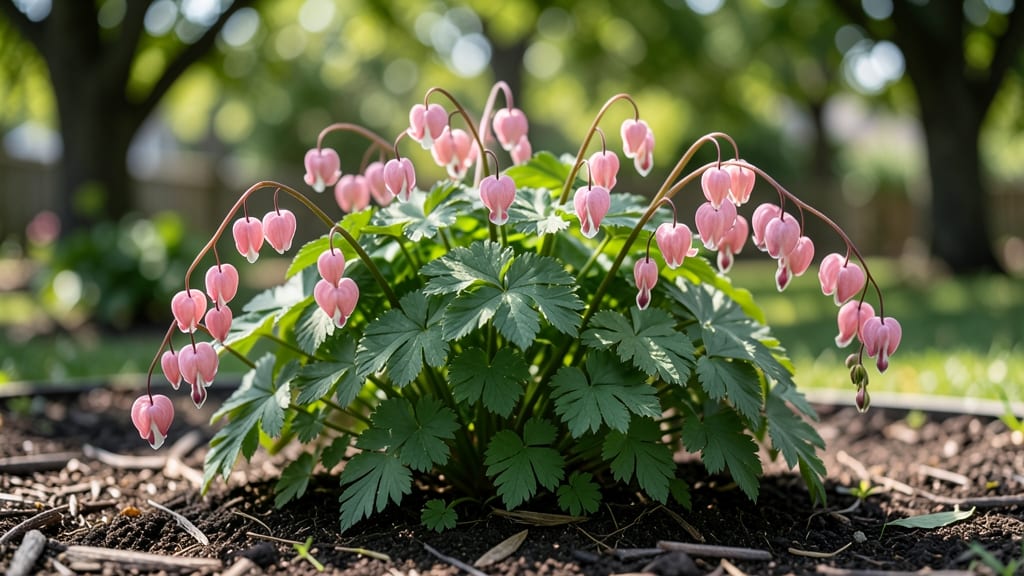
If you’re waiting for your 💔 bleeding heart flower to burst into bloom, timing is the game-changer—and it all starts with your USDA zone. These delicate beauties typically open their heart-shaped flowers in early to mid-spring, but the exact months can shift dramatically depending on where you live.
For gardeners in Zone 6a, like me, the show usually begins in late March or early April, just as the last frost fades away. But in warmer zones, you might catch blooms as early as February, while cooler climates could push them into May.
The key? Planting in the right window—March to April for most regions—sets the stage for a stunning display.
What I’ve learned is that sunlight, soil, and even a little pruning can tweak your bleeding heart’s bloom time. Too much sun in hot zones? The flowers may fade faster.
Too little water? They’ll sulk before they shine. But with the right care, you can coax weeks of blooms instead of just a fleeting show.
Ready to make sure your garden doesn’t miss a single 💔 bleeding heart bloom? Let’s break down exactly when to expect those dreamy flowers—and how to stretch their season so you get more of what you love.
Bleeding heart flower bloom time by USDA Zone: exact months for peak beauty
Timing is everything when it comes to bleeding heart flowers (Dicentra spectabilis), as their stunning heart-shaped blooms appear for just 4-6 weeks each year. The exact bloom months depend entirely on your USDA hardiness zone, with cooler climates triggering earlier displays.
In my Zone 5 garden, I’ve learned that patience pays off—waiting for the right moment means weeks of cascading pink flowers instead of a fleeting show.
Northern gardeners in Zones 3-4 often see blooms as early as late April to early May, while those in Zones 7-8 might not enjoy their peak until late March or early April.
The difference comes down to soil temperature triggers and daylight hours, not just calendar dates. Even within the same zone, microclimates can shift bloom times by 1-2 weeks, so local observations matter.
Here’s the exact bloom timeline by zone, including early bloomers and late-season varieties to extend your display. Pro tip: Plant a mix of ‘Alba’ (white) and ‘Valentine’ (deep pink) varieties—they bloom at slightly different times, giving you a longer show.
| USDA Zone | First Blooms | Peak Bloom | Late Bloomers | Notes |
|---|---|---|---|---|
| 3-4 | Late April | May 1-15 | Early June | Coldest zones; mulch heavily for winter protection. |
| 5-6 | Early May | May 15-June 1 | Mid-June | Ideal for early spring planting; blooms align with tulips. |
| 7-8 | Late March | April 15-May 1 | Early May | Warm climates; may rebloom lightly in fall with care. |
If you’re in Zone 6 or 7, you might notice your bleeding hearts starting to bloom just as daffodils fade—a perfect color transition.
In my Zone 6 garden, I’ve extended the season by planting ‘King of Hearts’, a late bloomer that peaks in early June, just as the first hostas emerge. The key is to choose varieties that stagger their bloom times naturally.
For southern gardeners (Zones 7-8), the challenge is often heat stress. If your plants bloom in late March but wilt by mid-April, it’s likely the 90°F+ temperatures are causing buds to drop.
My solution? Plant them in morning sun only and keep the soil consistently moist but not soggy. A 2-inch layer of mulch also helps retain moisture and cool roots.
Did you know bleeding hearts can sometimes rebloom in fall? It’s rare, but with the right care—like deadheading spent blooms and feeding with high-phosphorus fertilizer in early summer—you might coax a second, smaller flush of flowers in September or October.
I’ve seen this happen in my Zone 5 garden when plants get consistent afternoon shade.
To maximize bloom time, avoid over-fertilizing with nitrogen—it encourages leafy growth at the expense of flowers. Instead, use a balanced 10-10-10 fertilizer in early spring and late summer to support root and bloom development.
In my experience, well-draining, slightly acidic soil (pH 6.0-7.0) is non-negotiable for consistent blooms.
One common mistake is assuming all bleeding hearts bloom at the same time. Varieties like ‘Gold Heart’ (with golden foliage) and ‘Luxuriant’ (a dark pink classic) have slightly different timelines. Mixing them in your garden ensures you’re never without heart-shaped color from late April to early June.
For container gardeners, bloom times can shift slightly due to pot size and drainage. A 5-gallon container with well-draining mix might bloom
How to time your bleeding heart planting for perfect bloom seasons
Timing your bleeding heart (Dicentra spectabilis) planting is the secret to unlocking those dreamy, heart-shaped blooms every spring. Unlike many perennials, these shade-lovers need precise conditions to thrive—and their bloom window is surprisingly narrow.
Plant too early, and you risk frost damage; too late, and you might miss the entire show. The good news? With a few simple adjustments based on your USDA zone and soil temps, you can manipulate bloom timing to enjoy flowers for weeks instead of just a few.
Most gardeners plant bleeding hearts in early fall or late winter, but the exact timing depends on where you live. In cooler zones (3-5), aim for late August to September planting to let roots establish before winter.
Warmer zones (6-8) should plant in October to November or even February for spring blooms. The key is giving roots 6-8 weeks to settle before active growth begins—this ensures robust stems and longer bloom periods.
For year-round interest, try staggered planting. Divide your bleeding heart tubers and plant half in fall, half in late winter. This creates a sequential bloom effect—some flowers open in early spring while others follow weeks later.
In containers, this technique works beautifully, letting you extend the display by 3-4 weeks compared to single-season planting. Just ensure pots have drainage holes and use moist, well-draining soil mixed with compost.
Don’t overlook the power of light manipulation. While bleeding hearts thrive in partial shade (4-6 hours of sun), too much direct sunlight—especially in hot zones—can stress plants and shorten bloom time. In Zone 7+, provide morning sun only and afternoon shade to prevent leaf scorch.
Mulch heavily with organic matter to retain moisture and cool roots, which directly impacts bloom quality. A 2-3 inch layer of shredded bark or leaves keeps soil temps stable and encourages longer flowering stems.
Pro tip: If your bleeding hearts skip blooming, they may need a rest period. After flowers fade, let foliage die back naturally, then cut stems to ground level in early summer. This signals the plant to focus energy on next year’s bud formation.
For container-grown plants, reduce watering in late summer to mimic dormancy, then resume in fall for root regrowth. With these adjustments, you’ll enjoy healthier plants and more abundant blooms year after year.
Remember, bleeding hearts are perennials with patience. First-year plants often focus on root growth, so don’t expect big blooms immediately. But with perfect timing, your second-year display will be worth the wait—imagine 3-foot cascades of pink hearts against spring foliage!
The secret? Start with the right planting time, then let nature do the rest. 💔🌿