
Planting
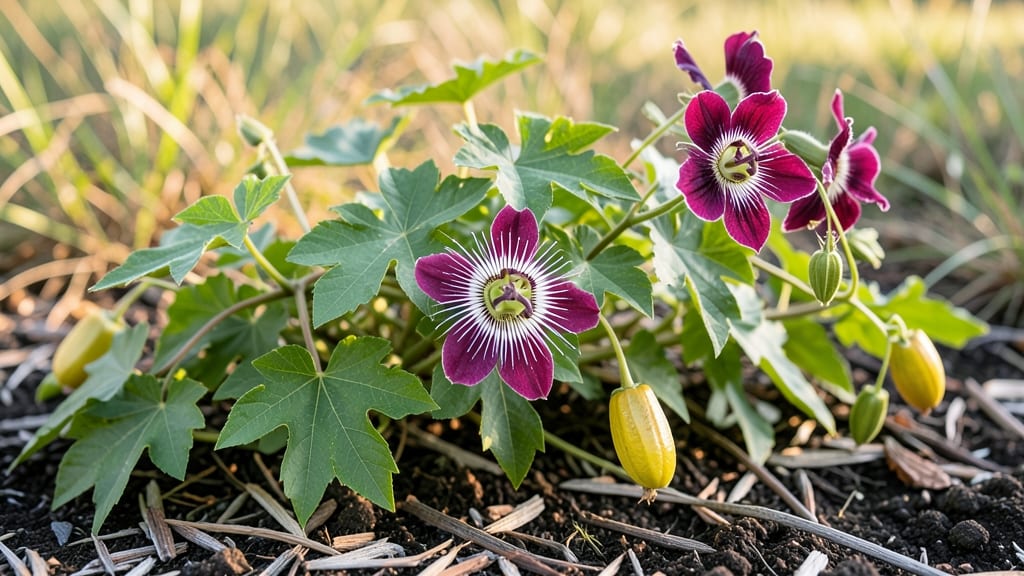
USDA hardiness zones for passion flower varieties: exact range breakdown
Passion flowers (Passiflora spp.) are stunning vines with exotic blooms, but their cold tolerance varies dramatically between species. Understanding the USDA hardiness zones for your specific variety is crucial to avoid winter losses.
Some passion flowers thrive in temperate zones 5-9, while others need tropical protection in zones 10-11. Let's break down the exact ranges and cold tolerance limits for popular varieties so you can choose the right one for your climate.
Native passion flowers like Passiflora incarnata (maypop) are surprisingly cold-hardy, surviving down to -23°F (-30°C) in zone 5. In contrast, tropical species such as Passiflora edulis (passionfruit) struggle below 20°F (-7°C) and are best suited for zones 10-11.
Knowing these distinctions helps you select varieties that will thrive year-round in your garden.
Key factors like microclimates, mulching, and container growing can extend a passion flower's range by 1-3 zones. For example, a Passiflora caerulea (blue passionflower) in zone 6 might survive with winter protection, even though its official range is zones 6-10. Always verify your exact USDA zone using the USDA Interactive Map—local conditions can vary by half a zone or more.
If you're in zone 4 or colder, focus on Passiflora incarnata or P. lutea, which can survive winter dormancy with proper mulching. For zones 5-7, Passiflora caerulea is your best bet—it's the hardiest temperate species and even tolerates light frosts.
Gardeners in zones 8-9 can experiment with both temperate and tropical varieties, while those in zones 10-11 should prioritize Passiflora edulis or P. coccinea for their heat tolerance.
Always consider microclimates in your garden. A south-facing wall or greenhouse can extend a passion flower's range by 1-2 zones by providing extra warmth. Similarly, container growing allows you to move tropical species indoors during winter, making them viable even in zone 6.
Just ensure containers have drainage holes and use a well-draining potting mix to prevent root rot.
For gardeners pushing the limits, mulching is your best friend. Apply a 4-6 inch layer of straw or leaves around the base of your passion flower in late fall to insulate roots. In zone 5-6, add a frost blanket over the mulch for extra protection during extreme cold snaps.
These simple steps can make the difference between a dead vine and a thriving plant come spring.
Remember, passion flowers are vines, so their size matters. Mature plants can reach 10-30 feet, so choose a trellis or fence that provides 6-8 feet of vertical support for optimal growth.
In colder zones, prune back vines to 12 inches in late fall to reduce winter damage and encourage stronger regrowth in spring. This technique works especially well for Passiflora incarnata and P. lutea.
One common mistake is assuming all passion flowers have the same cold tolerance. Tropical species like Passiflora edulis will die back to the ground in zone 9 without protection, while temperate varieties like P. incarnata can handle -20°F (-29°C) with ease.
Always double-check the cold hardiness limits before planting to avoid disappointment.
For precise planting guidance, use the USDA Interactive Map to find your exact zone, then cross-reference
How to grow passion flowers outside their native zones: winter care tips
Passion flowers (Passiflora spp.) thrive in their native tropical and subtropical climates, but with the right strategies, you can successfully grow them in USDA zones 4-5 or 10-11. The key lies in understanding their cold tolerance limits and adapting care routines to protect them from extreme temperatures.
Whether you're battling freezing winters or scorching summers, these tips will help your vines survive and flourish year-round.
In zones 4-5, passion flowers face harsh winters that can kill tender vines, while in zones 10-11, excessive heat and humidity create challenges like root rot and heat stress. Both scenarios require tailored solutions to ensure your passion flowers not only survive but also produce stunning blooms.
Let’s explore the best methods for extending their growing range and keeping them healthy in marginal climates.
Plant in containers for winter indoor storage; use thick mulch (straw or leaves) and frost blankets in fall.
Provide afternoon shade in summer to prevent heat stress; ensure well-draining soil to avoid root rot.
Cut back vines to 12 inches in late fall; remove dead foliage in spring to encourage new growth.
For gardeners in zones 4-5, the best approach is to grow passion flowers in large containers that can be moved indoors before the first frost. Choose containers with drainage holes and fill them with a well-draining potting mix enriched with compost.
In late fall, wrap the containers with bubble wrap or frost blankets to insulate the roots. When temperatures drop below 20°F, move the containers to a garage or unheated basement where they can remain dormant until spring.
In zones 10-11, the primary challenge is preventing heat stress and fungal diseases caused by high humidity. Provide afternoon shade using shade cloth or a lattice trellis to filter direct sunlight. Ensure the soil is well-draining by amending it with organic matter like perlite or coconut coir.
Mulching with straw or pine bark helps regulate soil temperature and reduces moisture loss during the dry season.
Seasonal pruning is essential for passion flowers grown outside their native zones. In late fall, cut back the vines to 12 inches above the ground to reduce the plant’s exposure to cold. This encourages new growth in spring and helps the plant redirect energy to root development.
In early spring, remove any dead or damaged foliage and trim back overgrown vines to maintain an open structure for better airflow and sunlight penetration.
To further protect your passion flowers, consider using row covers or cold frames in early spring or late fall to extend the growing season. These provide a microclimate that can shield delicate vines from unexpected frost or heatwaves.
Additionally, monitor soil moisture levels closely, as both overwatering and drought stress can weaken the plant’s resilience to extreme temperatures.
With these strategies, you can successfully grow passion flowers in almost any climate.
Whether you're in a cold northern zone or a hot southern region, adapting care routines to the specific challenges of your location will ensure your vines thrive and reward you with vibrant blooms year after year. 🌺