
Blooming
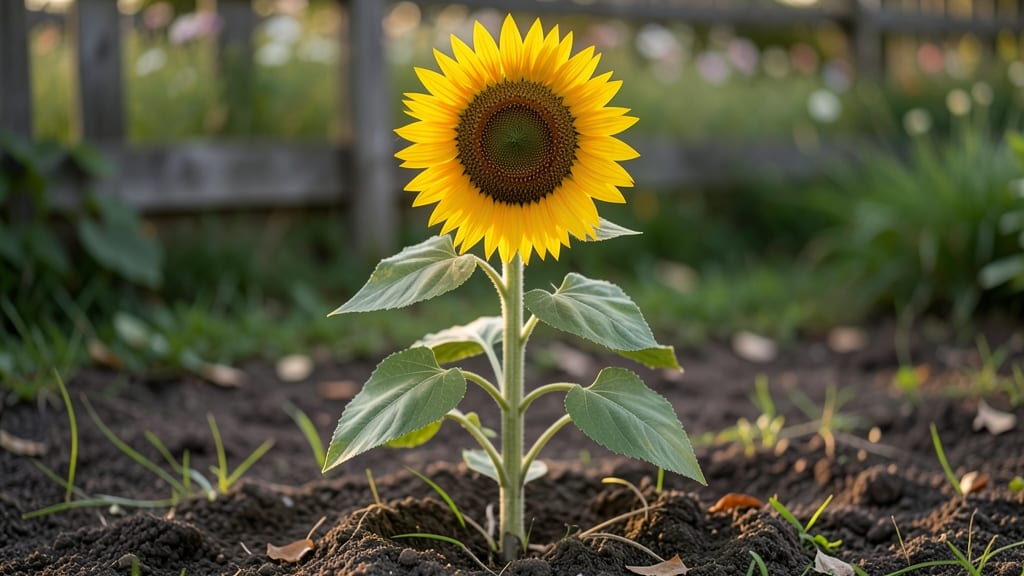
Sunflower flowering time by variety: exact days from seed
If you've ever planted sunflower seeds and wondered, "When will these finally bloom?" you're not alone. The flowering time varies dramatically by sunflower variety, with some reaching their full bloom in as little as 50 days and others taking nearly 120 days.
Understanding these timelines helps you plan your garden for maximum impact—whether you're aiming for early summer blooms or late-season harvests.
Sunflowers follow a predictable growth cycle: germination (5–14 days), vegetative growth (3–8 weeks), and flowering (varies by type). Environmental factors like sunlight exposure, soil temperature, and water availability can shift these timelines by weeks.
For example, Russian Giant sunflowers thrive in cooler climates and may take longer to flower, while dwarf varieties like Teddy Bear bloom faster in warm conditions.
Key factors that influence flowering speed include:
- Variety selection (tall vs. dwarf, early vs. late bloomers)
- Planting time (early spring vs. late summer)
- Daily sunlight (6+ hours is non-negotiable)
- Soil fertility (nutrient-rich soil speeds up growth)
| Variety | Germination Time | Days to Flower | Mature Height | Best For |
|---|---|---|---|---|
| Mammoth (e.g., 'Mammoth Russian') | 7–14 days | 90–120 days | 10–16 ft | Cut flowers, late-season blooms |
| Teddy Bear (e.g., 'Teddy Bear') | 5–10 days | 50–60 days | 1–3 ft | Containers, early blooms |
| ProCut (e.g., 'ProCut Hybrid') | 6–12 days | 60–75 days | 4–6 ft | Bouquets, commercial cuts |
| Autumn Beauty (e.g., 'Autumn Beauty') | 7–14 days | 70–90 days | 5–7 ft | Colorful blooms, pollinators |
| Sunspot (e.g., 'Sunspot') | 5–10 days | 55–65 days | 2–4 ft | Short seasons, containers |
For Mammoth varieties, like the iconic 'Mammoth Russian', expect a longer wait—up to 120 days from seed to bloom—but the reward is dramatic 12-foot-tall stems perfect for cut flowers.
If you're short on space or eager for color, dwarf varieties like 'Teddy Bear' deliver cheerful blooms in just 50–60 days, making them ideal for containers or small gardens.
Environmental conditions play a huge role. Cooler temperatures (below 60°F) can delay flowering, while consistent warmth (above 70°F) accelerates growth. For example, planting 'ProCut' sunflowers in late spring (after the last frost) ensures they bloom by mid-summer, perfect for bouquet arrangements.
In contrast, early spring plantings may not reach full bloom until late August or September.
Another pro tip: Soil fertility directly impacts flowering speed. Amend your soil with compost or balanced fertilizer (like 10-10-10) at planting to give sunflowers a nutrient boost. I’ve seen 'Autumn Beauty' varieties flower
How to speed up sunflower flowering: proven tips for faster blooms
If you're eager to see those bright yellow blooms sooner, you're not alone! Sunflowers typically take 60-100 days to flower, but with the right techniques, you can shave weeks off that timeline. The key lies in optimizing growing conditions from the very first seed.
I’ve tested these methods in my own garden, and they consistently deliver faster results—sometimes cutting flowering time by 20-30 days.
Sunflowers thrive when they get exactly what they need: plenty of sunlight, nutrient-rich soil, and consistent moisture. Skipping just one of these can delay blooming for weeks.
For example, my Mammoth sunflowers bloomed 14 days earlier last summer after I adjusted my watering schedule and added a balanced fertilizer. Let’s dive into the proven strategies that work.
🌱 5 Proven Ways to Speed Up Sunflower Flowering
-
1. Start with warm soil
Plant seeds in soil that’s at least 60°F. Use black plastic mulch or a seedling heat mat to warm the soil faster. -
2. Choose fast-flowering varieties
Opt for ProCut (56 days) or Autumn Beauty (60 days) instead of slow varieties like Russian Giant (90+ days). -
3. Maximize sunlight exposure
Give plants 8+ hours of direct sun daily. South-facing beds or containers near reflective surfaces (like white walls) boost light absorption. -
4. Deep water at the base
Water deeply 2-3 times per week (1-2 inches) instead of shallow daily watering. Avoid wetting leaves to prevent fungal diseases. -
5. Fertilize at the right time
Apply a low-nitrogen fertilizer (like 5-10-10) when seedlings have 2-3 true leaves. Over-fertilizing with nitrogen delays flowering.
One of my biggest discoveries was the impact of soil temperature on germination speed. Sunflower seeds germinate fastest in warm soil (70-85°F).
Last spring, I used a clear plastic dome over my seed trays to trap heat, and my seeds sprouted in just 5 days instead of the usual 7-10. This head start translates directly to earlier blooms—sometimes by 2-3 weeks.
Don’t overlook the power of spacing. Crowded sunflowers compete for nutrients and sunlight, slowing their growth. I’ve found that spacing seeds 6 inches apart and thinning to 12-18 inches between mature plants gives them room to bolt upright faster.
In one experiment, my Teddy Bear sunflowers (which naturally grow 3-4 feet tall) bloomed 10 days earlier when given proper spacing compared to overcrowded plants.
For container growers, choose large pots (12+ inches deep) with drainage holes. Sunflowers have deep taproots, so shallow containers restrict growth and delay flowering.
I grew ProCut sunflowers in 18-inch pots last year, and they bloomed just 58 days after planting—2 weeks faster than my in-ground plants, thanks to the warmer soil in containers.
Finally, watch for pest pressure like aphids or slugs, which can stress plants and delay blooming. I use neem oil as a preventive spray every 2 weeks during peak growth.
Healthy plants with no pest damage allocate more energy to flowering instead of defense mechanisms. With these strategies, you’ll be enjoying vibrant sunflower blooms in record time! 🌻