
Flowers
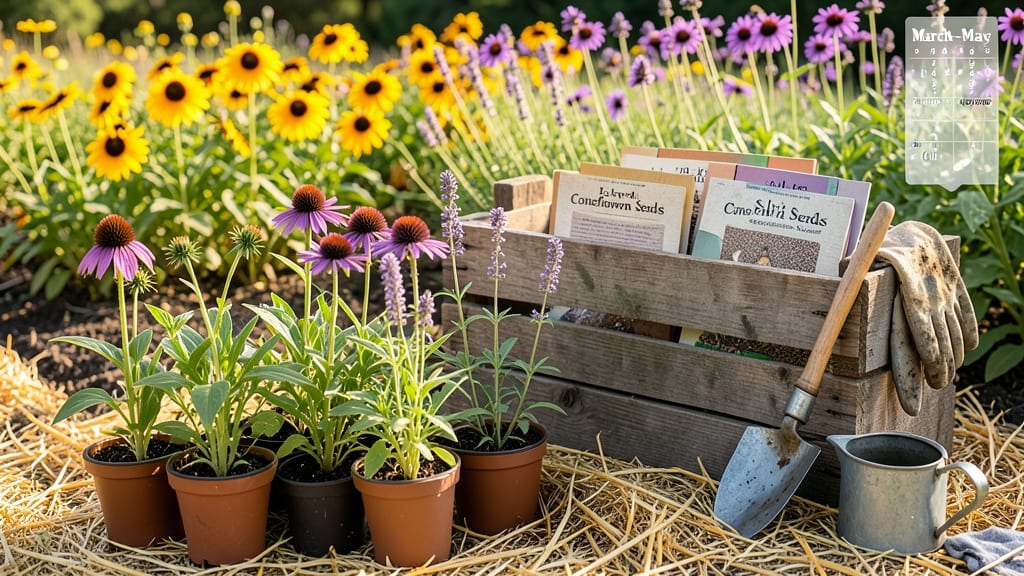
Timing your flower planting in Tennessee can mean the difference between a vibrant garden and a sad, frost-nipped disappointment. Whether you're in the cooler Appalachian foothills or the warmer western plains, knowing the exact window to plant your 🌸 is everything.
Most gardeners assume spring is the only time to plant, but fall offers a second chance for many flowers to establish roots before winter. In zones 6a-7b, where Tennessee falls, the average last frost hits around March 15, but that date shifts by region—sometimes by weeks.
I’ll break down the best planting months for annuals, perennials, and bulbs, so you can avoid common mistakes like planting too early and risking frost damage. You’ll also learn how to stretch your bloom season with smart timing and regional adjustments.
Ready to transform your Tennessee garden into a year-round showstopper? Let’s get those flowers in the ground at the perfect moment.
Tennessee planting zones: when to plant flowers by USDA zone (5a-8a)
Tennessee spans USDA zones 5a through 8a, meaning your planting schedule depends heavily on where you live. The Appalachian Mountains (zones 5a-6a) have later last frost dates than the Mid-Cumberland Plateau (zones 7a-8a).
For example, Chattanooga (zone 7b) can plant heat-loving annuals like zinnias weeks earlier than Nashville (zone 7a), which still faces occasional late frosts. Understanding these differences ensures your flowers establish strong roots before summer heat or winter cold strikes.
Most Tennessee gardeners focus on two key planting windows: spring (after last frost) and early fall (6-8 weeks before first frost).
However, zone 5a areas (like Bristol or Kingsport) may need to wait until mid-April for safe planting, while zone 8a (e.g., Memphis outskirts) can start as early as February for heat-tolerant varieties.
Perennials and bulbs often have broader windows, but annuals require precision to avoid frost damage or bolting in summer heat.
Here’s how to navigate Tennessee’s 5 USDA zones with exact deadlines for planting annuals, perennials, and bulbs—plus regional exceptions that could save your garden.
For zone 5a, I recommend starting cool-season annuals like pansies indoors in February to transplant after the last frost. These areas also benefit from heavy mulch to protect perennials during late frosts.
In contrast, zone 8a gardeners can plant tropical-looking annuals like celosia as early as January, but they’ll need consistent moisture to survive summer heat.
Perennials like black-eyed Susans and coneflowers are more forgiving—they can handle early spring planting (as soon as soil is workable) and even late fall planting in zones 6a–8a. However, bulbs like tulips must go into the ground by November in zone 5a or risk rotting over winter.
In warmer zones (7b–8a), you can plant spring-blooming bulbs as late as December.
One critical exception is Nashville (zone 7a), which often experiences late April frosts despite its zone classification. I’ve learned to wait until mid-May
Best flowers for Tennessee’s climate: fast-growing annuals vs. hardy perennials
Tennessee’s humid subtropical climate and varied USDA zones (6a-7b) make selecting the right flowers critical. Fast-growing annuals like zinnias and marigolds thrive in summer heat, while hardy perennials like coneflowers return year after year.
Timing is everything—plant too early, and frost zaps tender shoots; too late, and summer’s heat stunts growth.
For spring blooms, focus on cold-hardy perennials like black-eyed Susans and bee balm, which tolerate Tennessee’s late frosts (often until March 15). Summer annuals such as sunflowers and cosmos need to hit the ground by mid-April to avoid leggy, weak stems.
Fall planting? Opt for heat-tolerant annuals like pansies or early-blooming perennials like asters by August 1.
🌸
My go-to annuals for Tennessee’s heat are zinnias and cosmos, which burst into color within 6-8 weeks of planting. Start seeds indoors in March or sow directly after the last frost (typically mid-April).
For perennials, I swear by black-eyed Susans—they’re drought-resistant once established and attract pollinators all summer.
Pro tip: Succession plant annuals every 2-3 weeks in summer to keep your garden blooming.
For example, sow marigolds in May, then again in June and July for continuous color. Perennials, on the other hand, benefit from a spring mulch to retain moisture and suppress weeds during Tennessee’s hot, humid summers.
Don’t overlook fall planting—it’s a secret weapon for early spring blooms. Plant tulip bulbs in October or pansies in September to enjoy vibrant color before winter sets in. Just remember: avoid planting after October 15, as bulbs need 6-8 weeks of cool soil to root before frost.
For container gardens, prioritize compact annuals like petunias or bacopa, which thrive in partial shade and consistent moisture. Water containers daily in summer—they dry out 3x faster than in-ground plants. 🌱