
Landscaping
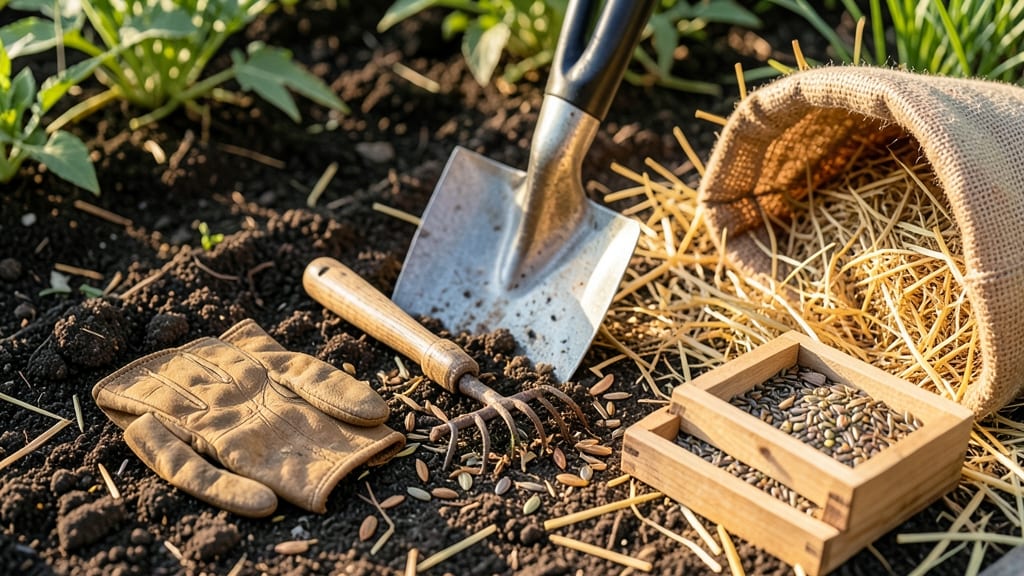
Putting mulch over wildflower seeds might seem like a smart move to keep them moist, but the wrong approach can actually smother your delicate 🌼 seedlings before they even sprout. Wildflowers need just the right balance—enough moisture retention without blocking sunlight or trapping too much heat.
I’ve learned the hard way that heavy mulch layers can suffocate seeds, while lightweight options like straw or shredded leaves create the perfect protective barrier. The key is choosing materials that allow sunlight to reach the soil while still keeping moisture in place during those critical early weeks.
If you’re wondering whether mulch is worth the risk, the answer is yes—but only if you use the right technique. I’ll walk you through the best lightweight mulching methods for wildflowers, including when to apply it and how to avoid common mistakes that could ruin your entire planting.
Let’s dive into how to mulch your wildflower seeds the right way, so you can enjoy a vibrant, thriving meadow without the guesswork.
Safe mulching methods for wildflower seeds (lightweight options that work)
Wildflower seeds thrive with sunlight but can overheat in direct sun, especially during spring germination. The key to mulching is finding a lightweight, breathable layer that shields seeds from extreme heat while allowing sunlight penetration.
Organic mulches like straw or shredded leaves work best, while heavy materials like wood chips can smother delicate seedlings.
Not all mulches are equal—some trap too much moisture or block light entirely. For wildflowers, prioritize airy, loose textures that mimic natural soil conditions. A ¼-inch layer is ideal for most seeds, but always adjust based on your local climate and seed type.
Here’s how different mulch types compare for wildflower seedbeds:
| Mulch Type | Best For | Layer Thickness | Sunlight Penetration | Moisture Retention |
|---|---|---|---|---|
| Straw | Spring planting, drought-prone areas | ¼–½ inch | High (allows 80%+ light) | Moderate (prevents evaporation) |
| Shredded Leaves | Cool climates, weed suppression | ¼ inch | Moderate (allows 60-70% light) | High (breaks down slowly) |
| Coconut Coir | Container planting, uniform moisture | ¼ inch | Very High (90%+ light) | Low (fast-draining) |
| Wood Chips (Fine) | Established plants (avoid seeds) | ½–1 inch | Low (blocks 50%+ light) | Very High (slows decomposition) |
| Peat Moss | Acid-loving wildflowers (e.g., azaleas) | ¼ inch | High (allows 75%+ light) | Moderate (holds moisture) |
For wildflower seeds, straw and coconut coir are my top recommendations because they strike the perfect balance. Straw is cheap, widely available, and decomposes slowly, while coconut coir stays lightweight and airy—ideal for containers or sandy soils where moisture drains too quickly.
Avoid thick layers or dense mulches like bark or compost piles, which can suffocate seeds. Instead, think of mulch as a gentle shield—just enough to protect from heat and wind without blocking sunlight.
If you’re planting in hot climates, apply mulch in the late afternoon to reduce heat stress during peak germination hours.
Organic mulches like straw also suppress weeds naturally, giving wildflowers a competitive edge. Just be sure to avoid mulching before seeds sprout—wait until after germination to apply a thin layer. This prevents seeds from being buried too deeply or trapped in damp conditions.
In cooler regions, you can mulch right after sowing, but always monitor soil temperature. If the ground feels warmer than 85°F, add a slightly thicker layer (up to ½ inch) to insulate seeds. Conversely, in mild climates, a ¼-inch layer is sufficient to retain moisture without overheating.
Pro tip: Use a fine mesh or cheesecloth to cover seeds temporarily if you’re worried about birds or heavy rain. Once sprouts appear, remove the mesh and apply your chosen mulch. This two-step approach gives you maximum control over germination conditions.
Finally, always water lightly before mulching to settle the soil and prevent mulch from blowing away. A mist setting on your hose works best—just enough to dampen the surface without creating puddles. This ensures your wildflowers get the perfect start without the risks of over-mulching.
🌱
When and how to apply mulch without harming wildflower germination
Timing is everything when mulching wildflower seeds. Since they need sunlight to germinate, applying mulch too early can block essential light. However, adding it too late risks exposing seeds to overheating or drought stress.
The best approach depends on your climate and seed type, but here’s a foolproof plan to balance protection and growth.
For most wildflowers, wait until seeds are sown and lightly pressed into soil—but avoid mulching until you see early sprouts emerging. This ensures seeds get the light they need while still benefiting from moisture retention.
In hot, dry climates, you might apply a thin layer of straw immediately after sowing to prevent desiccation, but monitor closely.
Here’s exactly when and how to apply mulch to safeguard your wildflowers:
In arid regions, lightly rake a ¼-inch layer of straw over bare soil 2-3 days before sowing to retain moisture. Avoid heavy mulch—it can insulate soil too much and delay germination.
After scattering seeds, press them into soil with a board or rake. Do not mulch yet—let seeds bask in sunlight for 3-5 days to trigger germination. This is non-negotiable for most wildflowers.
Once 10-20% of seeds sprout, apply a ¼-inch layer of straw or leaf mold. Use a fine mesh or slotted tool to distribute evenly—never pile mulch near seedlings. This shields tender shoots from heat stress while allowing light through.
When seedlings reach 1-2 inches tall, increase mulch to ½-inch thick. Choose organic mulches like shredded leaves or pine needles—they break down slowly and improve soil. Avoid wood chips, which can mat and suffocate roots.
In summer droughts, add mulch earlier (after 2-3 days of sprouting) to lock in moisture. In cool, wet springs, delay mulching until seedlings are 3+ inches tall to prevent fungal risks. Always check soil moisture—mulch should keep soil consistently damp, not soggy.
Every 4-6 weeks, fluff mulch to prevent compaction. If it decomposes too quickly, top up with ¼-inch layers. Remove mulch in late fall to protect overwintering seeds from excess moisture.
Monitor your seedbed daily during the first 2 weeks. If mulch causes yellowing leaves or stunted growth, remove it immediately and thin the layer.
The goal is to mimic natural forest floors—light enough for sunlight, thick enough for moisture. With this method, your wildflowers will thrive without smothering.
Pro tip: Use a slotted spreader for even distribution. Avoid plastic mulch—it traps heat and blocks light entirely. For shady areas, mulch can be slightly thicker (½-inch), but always prioritize airflow to prevent rot.