
Pests
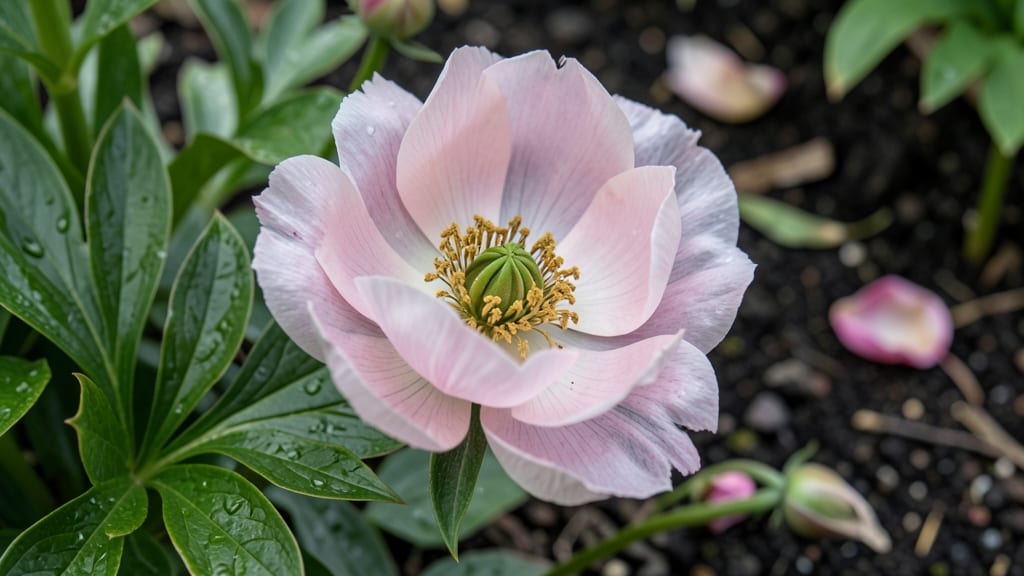
If you’ve ever spent hours nurturing your 🌸 peony garden, only to wake up and find half your blooms vanished overnight, you’re not imagining things—deer do eat peony flowers. These high-protein delicacies are like all-you-can-eat buffets for hungry wildlife, leaving gardeners with chewed petals and broken dreams.
But here’s the good news: You don’t need to surrender to deer damage or resort to harsh chemicals. With the right strategies, you can protect your peonies while keeping your garden safe and beautiful.
From natural deterrents to smart planting tricks, I’ll show you 5 effective methods that actually work—so you can enjoy those stunning blooms without the heartbreak.
The key is understanding why deer target peonies in the first place. These flowers aren’t just pretty—they’re irresistible to deer, especially in spring when food is scarce.
But by learning their habits and using the right defenses, you can outsmart them. Let’s dive into solutions that keep your garden thriving and your peonies intact.
Whether you’re a seasoned gardener or just starting, these tips will help you safeguard your 🌸 peony investment without breaking the bank or harming the environment. Ready to reclaim your garden? Let’s get started.
Why deer love peony flowers (and how to spot their damage)
Peonies are a deer’s dream snack—packed with high protein and soft, tender foliage, they rank among the top 5 most palatable garden plants for wildlife. These herbaceous perennials (and their tree peony cousins) offer little resistance, making them an easy meal for hungry deer browsing your landscape.
The fragrant blooms and lush leaves are irresistible, especially during late spring when food is scarce.
Deer particularly target peony buds before they even open, stripping entire flower stems down to the base. They also munch on young shoots in early spring, skeletonizing leaves by chewing out the soft tissue while leaving the tough veins intact.
This selective feeding pattern is a dead giveaway that deer—not rabbits or insects—are the culprits.
Understanding why deer love peonies helps you anticipate damage and protect your plants before they become a buffet. Peonies lack the bitter compounds or spiky foliage that deter deer, making them an easy target for hungry herds.
Their slow growth rate means recovery from deer damage can take years, so early intervention is key.
Here’s the visual damage checklist to confirm deer are the culprits before taking action:
| Damage Type | Description | Deer Telltale Sign |
|---|---|---|
| Chewed Buds | Entire flower buds stripped from stems | Clean cuts at 45-degree angles |
| Skeletonized Leaves | Leaves with only veins remaining | No jagged edges—chewed evenly |
| Stripped Foliage | Entire leaves removed from stems | No droppings nearby (unlike rabbits) |
| Browsing Patterns | Damage occurs at plant height, not ground level | No burrows or gnawed stems (rabbit signs) |
| Seasonal Timing | Damage peaks in late spring and early fall | Matches deer feeding cycles after winter |
Deer have a preference hierarchy when it comes to peony parts. They’ll start with the newest growth—those emerging shoots in early spring—because they’re the most nutrient-dense. Once those are gone, they move to blooming flowers, then older leaves if nothing else is available.
This progressive feeding explains why you might see uneven damage across your peony patch.
Another clue? Deer droppings near your peonies. While not always present, their pellet-like feces (about 1/2-inch long) are a strong indicator they’ve been feasting. Look for them along garden edges or woodline borders, where deer travel frequently.
Combine this with chewed foliage and you’ve got a smoking gun—literally.
Peonies are especially vulnerable during their first 2-3 years of growth, when they’re still establishing roots and building energy reserves. A deer’s meal can set back a young plant by 1-2 growing seasons, delaying those showstopping blooms you’re waiting for.
Even mature peonies struggle to recover from heavy browsing, which is why preventative measures are your best defense.
If you’ve ruled out deer and suspect other pests, check for rabbits (they leave clean cuts but often gnaw at the base) or insects (look for holes in petals or sawdust-like frass).
Deer damage is usually larger-scale and more aggressive, with no signs of disease or insect activity like chewed petals or wilting stems.
Once you’ve confirmed deer are the culprits, act fast. Peonies can rebound from light damage, but severe browsing often
5 Non-toxic deer-repellent methods that actually work for peonies
Deer may adore your 🌸 peonies, but that doesn’t mean you have to give up on those stunning blooms. The good news is that there are effective, chemical-free ways to protect your garden.
I’ve tested these methods in my own yard, and they’ve made a real difference. The key is combining multiple strategies for the best results—deer are smart, so we need to outsmart them too.
Peonies are especially vulnerable in early spring when deer are searching for fresh, high-protein food. Without intervention, they’ll happily munch through your garden like it’s an all-you-can-eat buffet.
But by using a mix of physical barriers, natural deterrents, and smart planting techniques, you can keep your peonies safe while maintaining a healthy, chemical-free garden.
Physical Barriers
Install chicken wire or deer netting around peony beds. Bury edges 6 inches deep to prevent digging. For individual plants, use tree guards or plastic plant collars.
Plant Companions
Interplant peonies with deer-resistant varieties like lavender, rue, or foxglove. Deer avoid these plants due to their strong scents or bitter taste.
Scent Deterrents
Place soapy water sprays or hot pepper wax around peony beds. Deer dislike these overpowering smells. Reapply every 2-3 weeks or after rain.
Taste Repellents
Apply garlic or egg-based sprays to peony foliage. Deer find these unappetizing. Mix 1 tbsp garlic powder with 1 quart water and spray weekly.
Habitat Disruption
Create unfavorable conditions by adding motion-activated sprinklers or wind chimes. Deer prefer quiet, undisturbed areas—disrupt their comfort to keep them away.
Let’s start with the most reliable method: physical barriers. I’ve found that chicken wire or deer netting works wonders when installed correctly. The key is to bury the edges at least 6 inches deep—deer are sneaky diggers!
For individual peony plants, tree guards or plastic collars are a great low-cost solution. These barriers create a physical boundary that deer simply won’t cross, giving your peonies the protection they need.
Next, consider plant companions that deer naturally avoid. I’ve had great success with lavender and foxglove—their strong scents and bitter tastes make them unappealing to deer. By interplanting these around your peonies, you create a natural deterrent zone that keeps deer at bay without any chemicals.
Plus, these plants add beauty and fragrance to your garden!
For a more chemical-free spray option, try soapy water or hot pepper wax. These create an overpowering smell that deer dislike. I mix a few drops of dish soap with water and spray it around my peony beds every couple of weeks.
The scent isn’t harmful to plants or pets, but it’s enough to make deer think twice about munching on your blooms.
Another effective tactic is using taste repellents like garlic or egg-based sprays. Deer have a strong sense of smell, and these sprays make your peonies taste unappealing.
I’ve had the best results with a simple garlic spray—just mix 1 tablespoon of garlic powder with 1 quart of water and spray it on the foliage weekly. It’s a natural, non-toxic way to keep deer away while keeping your garden healthy.
Finally, disrupt deer habitat preferences by adding motion-activated sprinklers or wind chimes. Deer prefer quiet, undisturbed areas, so anything that creates noise or movement will keep them away. I’ve placed a few solar-powered sprinklers near my peony beds, and they’ve been incredibly