
Light Requirements
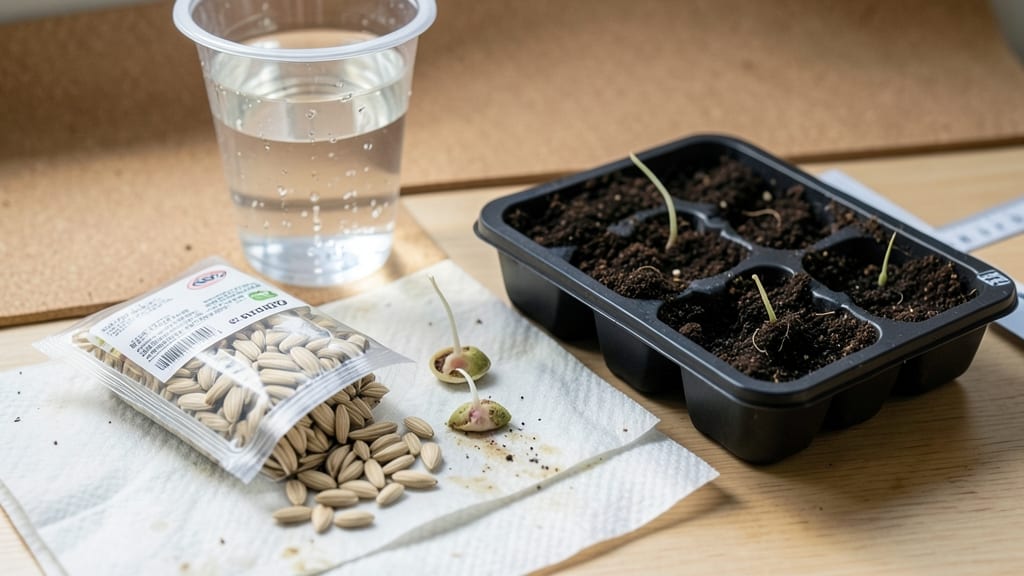
Sunflower seeds don’t actually need light to germinate—what they do need is the right balance of moisture and patience. Most gardeners assume these giant 🌻 beauties demand sunlight from day one, but the truth is far simpler (and often more reliable).
In fact, sunflower seeds are sciophotoblastic, meaning they’ll sprout just fine in darkness—so long as the soil stays consistently damp and temperatures stay warm.
This light-independent germination makes them ideal for early spring planting in Zone 6a, where cool mornings can delay growth if you’re waiting for full sun.
Here’s the game-changer: Plant your seeds 1 inch deep in moist, well-drained soil, and they’ll handle the rest. The real challenges come later—like ensuring proper light exposure after germination—but starting right is half the battle. Let’s break down exactly how to set them up for success.
Whether you’re dealing with shady spots or simply eager to get a head start, mastering these basics will transform your germination rates. No more guessing—just reliable, easier sunflowers that rise up when (and where) you want them.

Sunflower seed germination: how light (or lack of it) affects sprouting success
Sunflower seeds are fascinating because they don’t always need light to germinate—unlike many other plants. In fact, they’re negatively photoblastic, meaning darkness actually triggers their sprouting process. This unique behavior makes them easier to grow in containers or shaded areas before transplanting to full sun.
The key to successful germination lies in three critical factors: moisture, soil temperature, and darkness. While seeds don’t need light to break dormancy, they do require consistent moisture and warm soil (around 70-85°F) to activate enzymes that kickstart growth.
Once sprouted, seedlings will seek light immediately, but the initial germination happens underground.
Here’s where many gardeners go wrong: they assume sunflower seeds need light to sprout, so they plant them too shallowly or in bright conditions. This can actually inhibit germination.
The ideal planting depth is 1 inch deep, which provides enough darkness while keeping the seed in contact with moist soil.
Let’s break down the science behind sunflower seed germination and how you can optimize conditions for the best sprouting success—even without direct light exposure.
🌱 Did You Know? Sunflower seeds contain a natural inhibitor called coumarin that prevents premature sprouting. This compound breaks down when seeds are exposed to warm, moist conditions in darkness, allowing germination to proceed.
The negatively photoblastic nature of sunflower seeds means they’ll germinate just fine in the dark, but you’ll need to monitor soil moisture closely. Once seeds sprout, they’ll quickly push through the soil toward light, so keep the planting area free of debris.
If you’re growing indoors, place seeds near a south-facing window or under grow lights after germination to prevent leggy seedlings.
Another pro tip: if you’re sowing seeds in cool spring soil, consider using a seedling heat mat to maintain consistent warmth. Sunflowers germinate best when soil stays above 60°F (15°C), and heat mats can cut germination time in half during chilly weather.
Just be sure to remove the mat once sprouts appear to avoid overheating tender roots.
For container growers, use well-draining potting mix and plant seeds in 4-inch pots to give roots room to establish before transplanting. The key is maintaining moisture without waterlogging, as excess water can lead to rot before seeds even have a chance to sprout.
A simple spray bottle works well for keeping soil damp during the germination phase.
If your seeds aren’t sprouting within 2 weeks, check for these common issues: dry soil, improper depth, or cold temperatures. Sunflower seeds are hardy but need consistent conditions to break dormancy.
In rare cases, old or stored seeds may have lost viability—test a few in a separate container to rule out this possibility.
Once your sunflower seedlings emerge, they’ll grow rapidly toward light. At this stage, they’ll need 6-8 hours of full sun daily to thrive, but the initial germination process proves they don’t need light to get started.
This adaptability makes sunflowers one of the easiest flowers to grow from seed—just focus on soil moisture and warmth!
Best practices for planting sunflower seeds in different light conditions
Sunflowers thrive in full sun, but their seeds don’t need light to germinate—just the right conditions. Whether you’re planting in shady spots, partial sun, or ideal full-sun locations, the key is consistent moisture and proper soil prep.
I’ve planted sunflowers in everything from container gardens on balconies to low-light beds under fruit trees, and here’s what works best.
The secret to success lies in soil moisture and planting depth. Sunflower seeds are sciophotoblastic, meaning they’ll sprout without light, but they need warmth and dampness to break dormancy.
For low-light conditions, focus on keeping the soil warm (use black plastic mulch) and moist—this mimics the ideal germination environment even without sunlight.
- No light required: Sunflower seeds are sciophotoblastic—they germinate in darkness but need consistent moisture and warm soil (60-70°F).
- Depth matters: Plant 1 inch deep in all light conditions. Deeper planting delays germination; shallower risks drying out.
- Low-light tip: Use black plastic mulch to warm soil and retain moisture in shady areas. Avoid soggy soil—aim for damp, not waterlogged.
- Partial sun hack: Start seeds indoors under grow lights if outdoor spots get <4 hours of sun. Transplant when seedlings have 2 true leaves.
- Full sun bonus: Once sprouted, move to 6+ hours of sun daily for maximum growth. Sunflowers will lean toward light—rotate pots or thin seedlings to prevent crowding.
For partial sun (4-6 hours of sunlight), I recommend starting seeds indoors under grow lights for 12-14 hours daily. This gives seedlings a head start before transplanting. Use a seed-starting mix with perlite to improve drainage, and keep the soil at 70°F for fastest germination.
Once outdoors, place seedlings in the sunniest spot available, even if it’s only partial.
In full-sun environments, focus on soil preparation first. Amend the soil with compost to improve moisture retention, and water deeply before planting. After germination, reduce watering slightly—sunflowers are drought-tolerant once established—but keep soil moist during the first 3 weeks to support root development.
Mulch with straw to retain moisture and suppress weeds.
Regardless of light conditions, thin seedlings to 12-18 inches apart once they reach 6 inches tall. This prevents overcrowding and ensures each plant gets enough light and nutrients. If growing in containers, choose pots at least 12 inches deep and use a well-draining potting mix with added compost.
Remember, sunflowers are resilient—even if your garden isn’t perfectly sunny. With the right soil moisture, warmth, and a little patience, your seeds will sprout reliably. The real magic happens after germination when those bright yellow faces turn toward the sun, no matter where they started.