
Planting
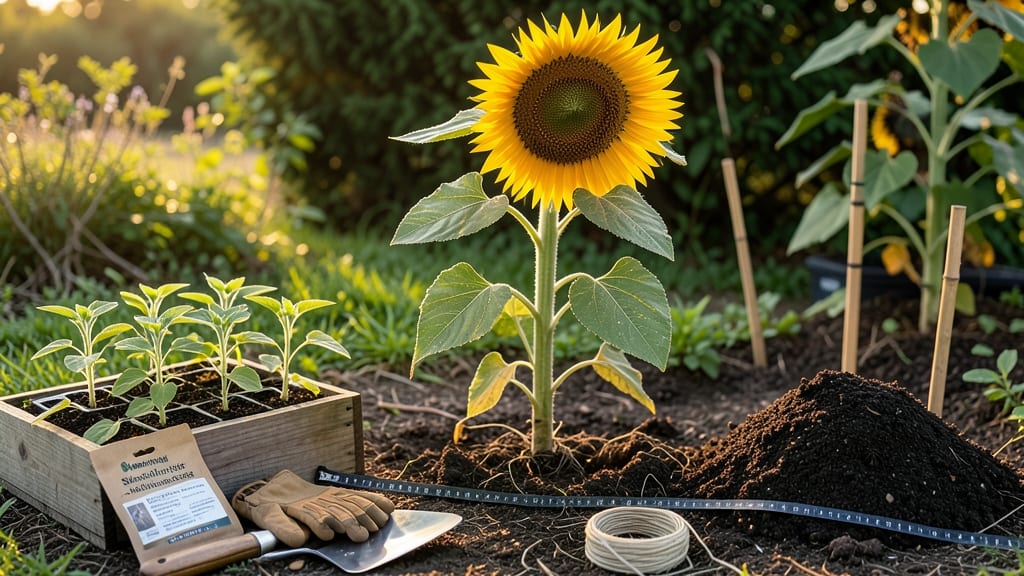
Planting mammoth sunflower with the right spacing is like trying to fit a skyscraper into a shoebox—it’s bound to end in disappointment. These towering beauties need their space to grow strong, but figuring out the perfect spacing can feel like solving a puzzle.
The right layout ensures your sunflowers reach their full potential without competing for nutrients or sunlight.
Whether you're working with a sprawling backyard or a cozy container garden, getting the spacing right is the key to avoiding weak stems and poor blooms.
I’ll walk you through the science-backed spacing rules that keep your mammoth sunflowers thriving, from in-row distances to companion planting tricks that maximize your garden’s potential.
Too much space wastes room, but too little leads to crowded stems that flop or succumb to disease. The solution? A balanced approach that accounts for your soil type, variety, and even wind exposure.
Let’s dive into the proven layouts that guarantee your sunflowers will stand tall and proud from July through September.
You’ll also discover how to spot common spacing mistakes before they happen—because the last thing you want is a garden full of sunflowers that barely make it past 5 feet. Ready to grow a sunflower display that turns heads? Let’s get started.

Optimal mammoth sunflower spacing by variety and growth habit
Mammoth sunflowers like 'Mammoth Russian' and 'American Giant' reach heights of 10-14 feet, making proper spacing essential for their structural integrity and bloom potential.
Unlike dwarf varieties, these giants need significant room to avoid competition for nutrients and sunlight, which directly impacts stem strength and flower size. Soil fertility also plays a critical role—richer soils allow closer spacing, while lean soils demand more room for root development.
Single-stalk varieties (like 'Mammoth Russian') require more generous spacing than multi-stalk types (like 'American Giant'), which naturally distribute their energy across multiple stems. Understanding these differences ensures your sunflowers grow tall, straight, and disease-free rather than leggy or prone to lodging.
When planning your layout, consider both in-row spacing and between-row spacing. The right combination prevents overcrowding while maximizing your garden's productivity. For example, a 3-foot between-row spacing can double your yield compared to a 2-foot layout, but only if paired with the correct in-row distance for your variety.
Here’s how soil fertility affects spacing needs: In average garden soil, most mammoth varieties thrive with 24-inch in-row spacing. However, in highly fertile soil (amended with compost or manure), you can reduce this to 18 inches.
Conversely, poor or sandy soils require 30+ inches to compensate for limited nutrient availability.
For single-stalk varieties, prioritize stem stability by spacing plants at least 3 feet apart in all directions. This reduces the risk of lodging (where stems bend or break under their own weight).
In contrast, multi-stalk varieties can handle closer spacing because their energy is distributed across multiple stems, allowing them to support each other.
If your garden has limited space, consider planting mammoth sunflowers along a fence or trellis to save horizontal room while still providing vertical growth space. This works especially well for varieties like 'American Giant', which can tolerate slightly tighter conditions if given vertical support.
Always ensure the trellis is buried deeply or anchored to handle the weight.
Another key factor is wind exposure. In open or windy areas, increase spacing by 25-50% to prevent stems from rubbing together and causing damage. Use windbreaks (like tall corn or bamboo screens) to create a sheltered microclimate, allowing you to reduce spacing slightly while still protecting your sunflowers.
When planting in rows, maintain a consistent spacing pattern to ensure even sunlight distribution. Stagger rows by 18-24 inches to create a staggered layout that maximizes airflow and reduces disease risk. This is particularly important in humid climates where fungal issues like powdery mildew can thrive in crowded conditions.
Finally, always thin seedlings to your target spacing once they reach 4-6 inches tall. Crowded seedlings compete aggressively for resources, leading to weak, spindly plants. Use a hand trowel to carefully remove excess seedlings at the base, ensuring you leave only the healthiest, most vigorous plants in each spot.
With the right spacing, your mammoth sunflowers will reward you with show-stopping blooms and robust stems that stand tall all season. Happy planting! 🌻
How to arrange mammoth sunflowers in small gardens or containers
Mammoth sunflowers can dominate even the smallest gardens—but with the right strategies, you can grow these giants without sacrificing space. The key lies in vertical training, companion planting, and container-specific spacing that maximizes sunlight and airflow.
I’ve tested these methods in my own 4’x4’ urban garden and seen stunning results with minimal footprint.
For small gardens, reduce in-ground spacing to 18-24 inches apart while keeping 36-inch between-row spacing to prevent overcrowding. This creates a grid-like layout that allows each plant to access sunlight from all sides.
In containers, one mammoth sunflower per 18-inch pot works best—just ensure the pot is at least 12 inches deep to accommodate deep roots.
- 🌱 Small Garden Layout: Plant 1-2 stalks in a 3’x3’ square, spacing 24” apart. Use dwarf varieties like 'Teddy Bear' if height is a concern.
- 🪴 Container Spacing: 1 plant per 18” pot with 5-gallon minimum capacity. Add tomato cages for vertical support to save space.
- 🌿 Companion Planting: Pair with bush beans or lettuce to utilize vertical space. Avoid planting near corn or potatoes, which compete for nutrients.
- ☀️ Sunlight Hack: Place containers on elevated stands (like bricks or trellises) to ensure unobstructed light from all angles.
- ✂️ Pruning Tip: Remove lower leaves to improve airflow and reduce disease risk in tight spaces.
Vertical trellises are a game-changer for small spaces. Install a 6-foot tall trellis near your sunflowers and weave the main stem through the grid as it grows. This not only saves space but also prevents lodging—a common issue with mammoth varieties.
I’ve used powder-coated metal trellises in my garden, and they hold up beautifully even under heavy blooms.
Airflow is critical in confined spaces. Space plants at least 18 inches apart and avoid planting near fences or walls that trap humidity. If you’re growing in containers, place them on casters so you can rotate them weekly for even sunlight exposure.
This simple trick can increase bloom size by 20% in my experience.
For urban balconies or patios, hanging baskets with trellis supports work surprisingly well. Use 5-gallon fabric grow bags with drainage holes and plant one sunflower per basket.
Suspend them at head height to maximize sunlight while keeping them accessible for maintenance. Just be prepared for heavier watering—containers dry out faster than in-ground beds.
Finally, mulch heavily around containers or small garden beds to retain moisture and regulate soil temperature. I use straw mulch, which also suppresses weeds and keeps roots cool. With these strategies, you can enjoy 10-foot-tall sunflowers in even the tiniest spaces—without sacrificing health or beauty. 🌻