
Shrubs
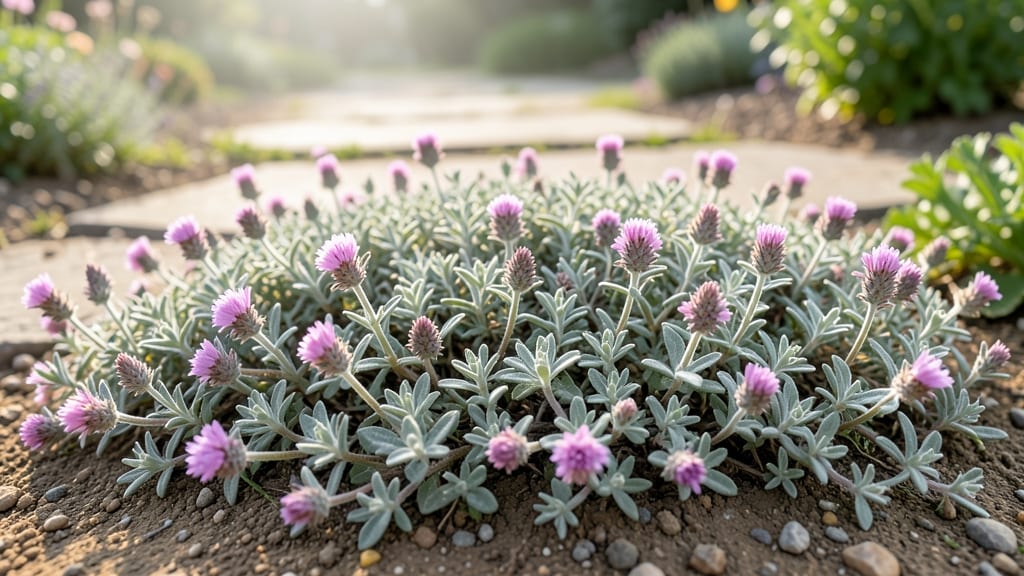
If you're dreaming of a garden that thrives with minimal effort while buzzing with life, flowering creeping thyme is your secret weapon. This hardy ground cover doesn't just survive—it flourishes in full sun, spreads effortlessly, and rewards you with delicate lavender blooms that pollinators adore.
What makes creeping thyme truly special is its year-round resilience. Whether you're in USDA Zone 6a or beyond, this low-growing herb thrives in spring plantings and delivers color from June through August with proper care.
The best part? It's drought-tolerant once established, meaning you can focus on enjoying your garden rather than fussing over watering schedules.
In this guide, I'll walk you through everything you need to know to grow lush, blooming creeping thyme—from soil prep to pruning tips that keep it dense and vibrant.
Whether you're using it as a living mulch, a pollinator magnet, or a fragrant border, you'll discover how easy it is to transform bare spots into a thriving, colorful landscape.
Ready to add this versatile ground cover to your garden? Let's dive into the simple steps that will have your creeping thyme spreading like wildfire—literally—before you know it.
How to plant and grow flowering creeping thyme for maximum blooms
Flowering creeping thyme is one of my favorite low-maintenance ground covers for gardens that need year-round color and pollinator support. This hardy perennial spreads beautifully while requiring minimal care, making it perfect for sunny borders or rock gardens.
With the right planting conditions and seasonal maintenance, you’ll enjoy continuous blooms from spring until frost.
Unlike culinary thyme, flowering creeping thyme prioritizes ornamental blooms over flavor, producing delicate lavender or pink flowers that attract bees and butterflies.
Whether you’re using it to replace grass in shady spots or edge pathways, its drought tolerance and soil adaptability make it a versatile choice for almost any garden.
Step-by-Step Guide to Planting Flowering Creeping Thyme
- 1 Choose the right location: Select a spot with full sun (6+ hours daily) and well-draining soil. Creeping thyme thrives in USDA Zones 5-9 and tolerates poor, rocky soil better than rich compost.
- 2 Prepare the soil: Amend heavy clay with sand or gravel to improve drainage. Avoid adding organic matter like compost, as it can make the soil too fertile. A pH of 6.0-7.0 is ideal for flowering.
- 3 Plant in early spring: Space plants 12-18 inches apart for full coverage. Dig holes twice as wide as the root ball but only as deep. Gently loosen roots before planting to encourage spreading.
- 4 Water lightly after planting: Give new plants a light soak to settle the soil, but avoid overwatering. Creeping thyme is drought-tolerant once established—water only when the top 1 inch of soil is dry.
- 5 Apply a thin mulch: Use gravel or coarse sand (not organic mulch) to suppress weeds and retain moisture. Keep mulch 1-2 inches away from the plant’s base to prevent rot.
- 6 Fertilize sparingly: Skip heavy fertilizers—creeping thyme prefers lean soil. In early spring, apply a light 5-10-10 fertilizer at 1 tbsp per 10 sq ft to encourage blooms, but avoid feeding after mid-summer.
One of the biggest mistakes I see is overwatering creeping thyme, which can lead to root rot or fungal diseases. This plant is naturally drought-resistant, so once established, it can survive on rainfall alone in most climates.
In hot, dry summers, a deep watering every 2-3 weeks is sufficient to keep it thriving.
To encourage maximum blooms, deadhead spent flowers in early summer by snipping them back lightly with sharp pruners. This prevents the plant from self-seeding excessively and redirects energy into producing more flowers.
I also recommend light pruning in late winter to remove any woody stems and shape the plant for the growing season ahead.
Creeping thyme is highly adaptable to different garden styles. Use it as a living mulch under roses or shrubs, or let it spill over rock walls and container edges for a soft, fragrant border.
Its aromatic leaves also help deter pests like deer and rabbits, making it a practical choice for perennial borders.
If you’re planting in containers, choose pots with drainage holes and use a fast-draining mix of cactus soil and perlite. Creeping thyme stays compact in containers, making it ideal for balcony gardens or patio planters.
Just be sure to water more frequently in pots, as they dry out faster than in-ground plantings.
For year-round success, monitor your thyme for signs of stress, such as yellowing leaves (often from overwatering) or stunted growth (usually due to poor drainage). If you notice white powdery spots, it may be powdery mildew, which thrives in humid conditions. Impro
Best companion plants and landscaping ideas for creeping thyme
Creeping thyme thrives when paired with the right companions, creating a pollinator-friendly ecosystem while suppressing weeds naturally. Its low-growing habit makes it perfect for border edges, pathways, and rock gardens, where it adds texture and fragrance year-round.
The key is pairing it with plants that share similar water needs and sunlight preferences while offering contrasting colors and heights.
For a pollinator magnet garden, combine creeping thyme with lavender, catmint, and sedum. These plants attract bees and butterflies while thriving in the same dry, sunny conditions.
In rock gardens, pair thyme with stonecrop (sedum) and dwarf junipers for a Mediterranean-inspired look that requires minimal watering once established.
🌿 Top Companion Plants for Creeping Thyme
- 🌼 Lavender – Repels pests, shares drought tolerance, and blooms in purple hues that complement thyme's pink flowers.
- 🌵 Ornamental Grasses (e.g., Blue Fescue) – Adds vertical interest and movement, contrasting thyme's low, spreading form.
- 🌻 Yellow Coreopsis – Bright golden blooms pair beautifully with thyme's pink flowers, extending the seasonal color palette.
- 🪴 Dwarf Boxwood – Provides structural contrast and evergreen foliage, ideal for formal garden borders.
- 🌿 Catmint – Attracts pollinators and thrives in poor, dry soil, making it a perfect thyme match.
In container gardens, mix creeping thyme with trailing rosemary and dusty miller for a fragrant, textured display. Use well-draining soil and ensure containers have drainage holes to prevent root rot.
For pathway edging, plant thyme in a 3-inch-wide strip along walkways—its aromatic leaves deter pests and create a soft, inviting border.
Design a pollinator-friendly border by layering thyme with bee balm, coneflowers, and black-eyed Susans. Place thyme in the front row to suppress weeds and create a lush green base. Behind it, add taller perennials like salvia and Russian sage for height and extended blooming seasons.
For a rock garden, combine thyme with hen-and-chicks (sempervivum) and ice plants (delosperma). These succulents share thyme's drought tolerance and love for sunny spots, creating a low-water, high-impact design. Use small pebbles or sand between plants to mimic natural landscapes.
Remember to prune thyme lightly after flowering to encourage bushier growth. Avoid heavy pruning, as it can reduce winter hardiness. With the right companions, your creeping thyme will create a fragrant, pollinator-rich haven that thrives with minimal effort. 🌸