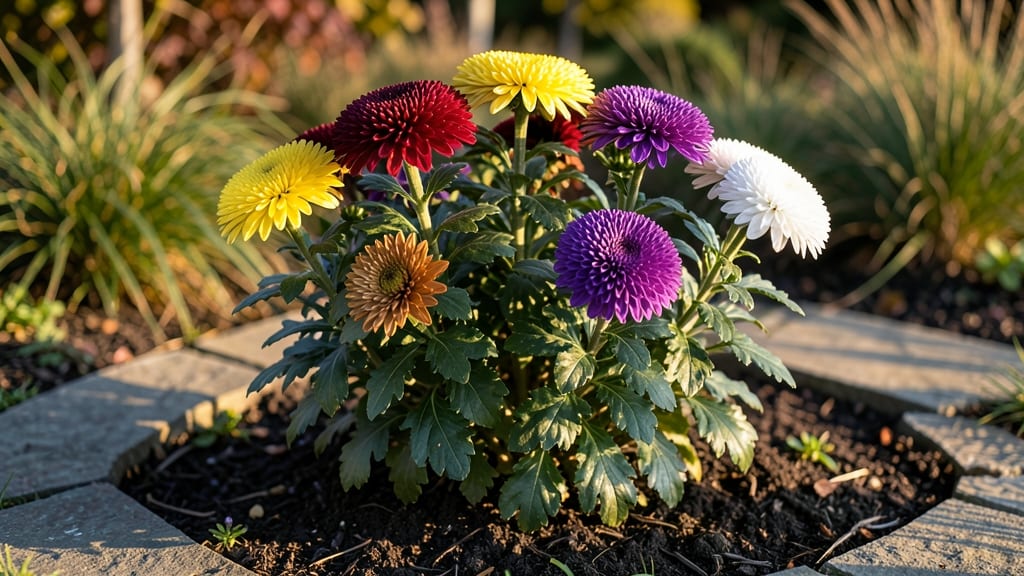
Flowers for autumn colour don’t have to disappear with the first frost—these hardy flowers will keep your garden glowing until winter arrives. Picture deep reds, fiery oranges, and rich purples standing tall even as temperatures drop, proving that fall can be just as dramatic as summer. Whether you’re a seasoned gardener or a beginner, there’s a perfect autumn bloom waiting for you, and I’ll show you how to choose, plant, and care for them.
You don’t need a green thumb to create a stunning autumn display. The key is selecting the right varieties that thrive in cooler weather, like chrysanthemums or asters, which not only survive but flourish when others fade.
I’ll walk you through the best options for your zone, including when to plant them for maximum impact—because timing is everything when you want color that lasts.
Let’s talk about how to make these flowers shine even longer. With simple tricks like deadheading and strategic mulching, you can extend their beauty well into late fall. Plus, I’ll share my favorite container-friendly picks for small spaces, so you can bring autumn’s warmth to patios and balconies too.
Ready to transform your garden into a fall masterpiece?
From selecting frost-resistant blooms to arranging them for the biggest impact, this guide covers everything you need to know. You’ll learn which flowers hold their colour the longest, how to protect them from early cold snaps, and even how to use them in bouquets that last.
Let’s get your garden ready for its most vibrant season yet!
Top 10 frost-resistant flowers for autumn colour that thrive in cool weather
Autumn’s bold colours don’t have to disappear with the first frost. These frost-resistant flowers bring fiery reds, oranges, and purples to your garden while braving cool temperatures. Whether you’re a seasoned gardener or just starting, these plants offer long-lasting beauty without demanding constant care.
The secret? Choosing hardy perennials and annuals that thrive in USDA Zones 4-8 and beyond.
From chrysanthemums that bloom late into fall to ornamental kale with striking foliage, these flowers prove that autumn can be just as vibrant as summer. Many even survive light frosts, meaning you can enjoy their deep hues well into November.
Below, I’ve curated a list of the top 10 frost-resistant flowers that will keep your garden glowing even as the weather turns crisp.
| Flower Name |
Frost Tolerance |
Colour Palette |
Care Tips |
Best For |
| Chrysanthemums |
Survives 28°F (-2°C) |
Reds, yellows, purples |
Deadhead spent blooms; mulch base |
Borders, containers |
| Asters |
Tolerates 25°F (-4°C) |
Pinks, purples, whites |
Stake tall varieties; water moderately |
Wildflower gardens |
| Ornamental Kale |
Withstands 20°F (-7°C) |
Deep purples, greens |
Harvest outer leaves; protect from slugs |
Containers, edging |
| Japanese Anemones |
Handles 23°F (-5°C) |
Soft pinks, whites |
Divide clumps every 3 years; prune dead foliage |
Shady borders |
| Pansies |
Survives 25°F (-4°C) |
Yellows, purples, blues |
Pinch back early; fertilize lightly |
Containers, rock gardens |
| Russian Sage |
Tolerates 15°F (-9°C) |
Lavender, blues |
Prune back in spring; drought-tolerant |
Dry gardens, borders |
| Goldenrod |
Withstands 10°F (-12°C) |
Bright yellows |
Leave seed heads for wildlife; minimal water |
Pollinator gardens |
| Cyclamen |
Survives 28°F (-2°C) |
Pinks, whites, reds |
Keep soil moist; avoid overwatering |
Shady containers |
| Black-Eyed Susan |
Tolerates 15°F (-9°C) |
Golden yellows |
Deadhead spent blooms; full sun exposure |
Meadow-style gardens |
How to extend autumn flower colour: pruning, deadheading, and seasonal care tips
Autumn’s vibrant blooms don’t have to disappear with the first frost. With the right seasonal care, you can extend their colour well into winter. The key lies in pruning techniques, deadheading strategies, and protective measures that toughen plants against cool weather.
I’ll show you exactly how to keep your garden glowing through autumn’s crisp air.
Many gardeners make the mistake of stopping maintenance as temperatures drop. But autumn flowers like chrysanthemums and asters thrive with continued attention. The difference between a garden that fades quickly and one that stays vibrant? Timing and technique.
Let’s dive into the proven methods that work for me every year.
-
1
Deadhead Regularly
Remove spent blooms immediately to redirect energy to new growth. For chrysanthemums, pinch back stems just above a leaf node to encourage bushier growth.
-
2
Light Pruning for Perennials
Cut back woody stems of perennials like sedum by ⅓ to prevent flopping. Avoid heavy pruning—focus on shaping rather than removing too much foliage.
-
3
Mulch for Insulation
Apply 2-3 inches of mulch around plant bases in late September. Use straw or shredded leaves to protect roots from temperature fluctuations and retain moisture.
-
4
Fertilize Strategically
Switch to a low-nitrogen fertilizer (5-10-10) in early October. This promotes root development and flower production without encouraging late-season growth that won’t survive frost.
-
5
Protect from Frost
For tender perennials, cover with frost cloth on nights below 28°F (-2°C). Remove during the day to prevent overheating. This simple step can extend blooms by 2-3 weeks.
One of my favorite tricks is to harvest and bring indoors the most vibrant blooms. Cut stems early in the morning when they’re fully hydrated, and place them in cool water with a drop of bleach to prevent bacterial growth. This keeps their autumn colours bright for weeks inside.
Don’t forget to water deeply but less frequently as autumn progresses. Most flowers need 50% less water in October compared to summer. Let the top inch of soil dry between waterings to prevent root rot while still keeping plants hydrated for frost resistance.
With these seasonal care tips, your autumn garden will stay a showstopper long after most neighbors have packed away their blooms. The secret? Staying proactive—even as the leaves begin to fall. Your garden’s late-season spectacle will be the talk of the neighborhood! 🌼
★★★★★4.7(7 reviews)
|