
Flowers
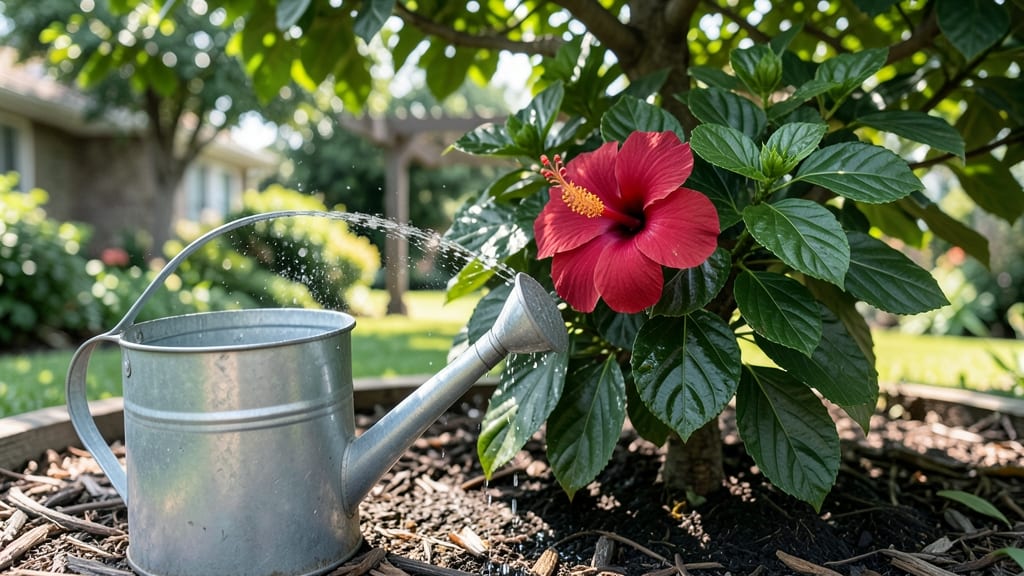
Mastering hibiscus flower watering is the secret to turning a struggling plant into a blooming powerhouse—without drowning its roots or letting it wither. Too much water, and you’ll suffocate its delicate system; too little, and those vibrant blooms will fade faster than a summer snowflake.
The trick isn’t just how often you water but how you balance moisture with your hibiscus’s soil, season, and growing conditions. I’ve learned the hard way that hibiscus flowers hate soggy soil, yet they won’t survive droughts either. The solution?
A watering routine that adapts to your climate, checks soil moisture like a pro, and keeps those roots happy without turning your garden into a swamp. Let’s break down the exact steps to get it right—so you can enjoy lush, vibrant blooms all season long.
Whether you’re growing hibiscus in pots or in the ground, the rules change slightly—but the goal stays the same: consistent moisture without waterlogging. We’ll cover everything from morning watering habits to mulching tricks that keep soil just damp enough.
No more guessing, just proven techniques to keep your hibiscus flourishing from spring to early fall. Ready to transform your watering game?
By the end of this guide, you’ll know exactly when to water, how to spot trouble before it starts, and why your hibiscus might be sending you SOS signals with wilted leaves or yellowing stems. Let’s dive in!
The perfect hibiscus watering schedule: how often and when to water for optimal blooms
Hibiscus flowers are tropical divas that thrive on consistency—but their watering needs shift dramatically with the seasons. Too much moisture leads to root rot, while too little causes bud drop and wilted blooms.
The key is science-backed timing and soil checks that adapt to your climate zone. Let’s break down the exact schedule your hibiscus craves for showstopping blooms year-round.
First, understand that hibiscus roots need oxygen-rich soil—they hate soggy conditions. In containers, they dry out faster than in-ground plants, while mulched beds retain moisture longer. Your watering rhythm should sync with your local humidity and temperature swings.
For example, a hibiscus in USDA Zone 9 (hot, dry summers) needs daily watering, while one in Zone 7 (cooler summers) thrives on every-other-day hydration.
Now, let’s dive into the seasonal watering blueprint that’ll keep your hibiscus blooming like a pro. The table below shows exact frequencies, ideal times, and soil moisture targets for each season—plus how to adjust for container vs. in-ground plants.
Pro tip: Use the "finger test" to avoid guesswork. Stick your finger 2 inches deep into the soil—if it feels dry, water thoroughly until it dra
Signs your hibiscus is thirsty, drowning, OR stressed—and how to fix it fast
Your hibiscus might look stunning in photos, but in real life, it’s silently screaming for help—usually through its leaves and stems. Underwatering and overwatering are the top killers of hibiscus, and the symptoms often overlap with nutrient stress.
The key is learning to read your plant’s soil moisture signals before it’s too late.
First, check the leaf texture and stem firmness. A thirsty hibiscus will show crispy edges and drooping leaves, while overwatered plants develop yellowing foliage and mushy stems. Pale or yellow leaves can also signal nutrient deficiency or poor drainage. Don’t panic—most hibiscus issues are reversible with quick action.
🚨 EMERGENCY WATERING ALERT!
Hibiscus roots rot in 48 hours if overwatered. If stems feel soft or spongy, act now: Stop watering immediately and repot in fresh, well-draining soil. For underwatering, soak the root zone for 10-15 minutes and mulch to retain moisture.
For underwatered hibiscus, the fix starts with a deep watering. Stick your finger 2 inches into the soil—if it’s dry, water until it drains from the bottom. Morning watering prevents fungal growth, and mulching with straw or bark locks in moisture.
Within a week, you’ll see leaves perk up and buds form again.
When overwatering strikes, the first step is draining excess moisture. Lift the pot and tip it to let water escape, then place it in a shallow tray to catch drips. Avoid saucers unless they have drainage holes.
For in-ground hibiscus, dig around the roots to aerate compacted soil and improve drainage.
If your hibiscus shows pale foliage or slow growth, it may need a nutrient boost. Use a balanced 10-10-10 fertilizer every 4-6 weeks during spring and summer. Yellowing leaves on older growth?
That’s normal, but new leaves should stay vibrant. If they don’t, check your water’s pH balance—hibiscus thrive in slightly acidic soil (pH 6.1-6.5).
Pro tip: Container hibiscus dry out faster than in-ground plants. Test soil moisture daily in summer by lifting the pot—if it’s light, water it. Root-bound plants also stress easily, so repot every 2-3 years to refresh the soil and encourage healthy roots.
With these fixes, your hibiscus will bounce back in 2-4 weeks. Keep an eye on its leaf color and stem firmness—they’re your plant’s way of talking. Listen closely, and you’ll have blooms that last all season. 🌸