
How To
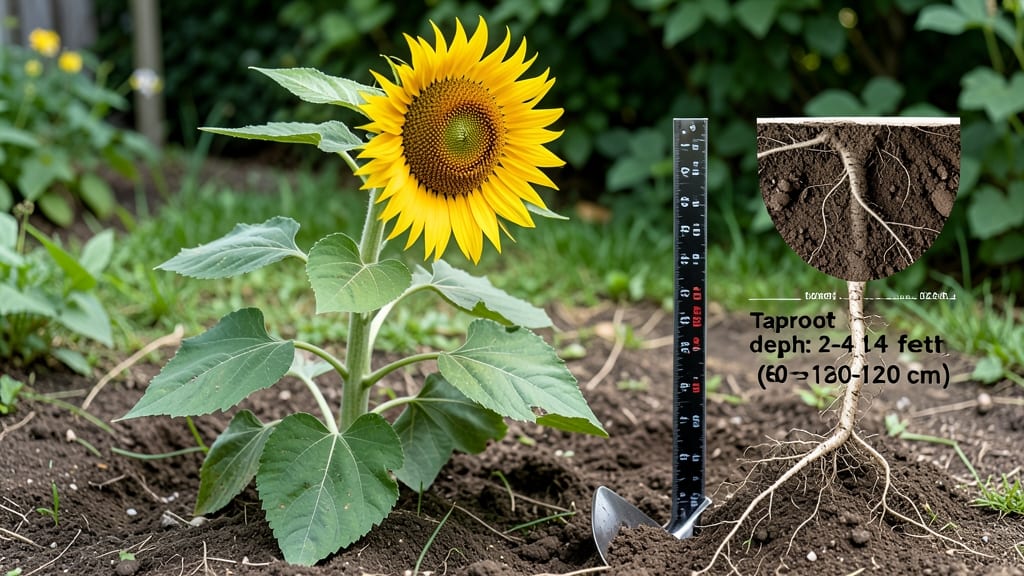
Sunflower roots can stretch 6 to 12 feet deep—far deeper than most gardeners realize—and that hidden strength is what keeps your towering 🌻 plants standing tall even in windy conditions.
If you've ever watched a sunflower wobble or snap under a breeze, you know how critical those roots are. Their depth isn't just about stability; it directly impacts water access, nutrient uptake, and even your final harvest size.
Understanding this underground growth pattern could be the game-changer your sunflowers need to thrive.
But here's the catch: soil type, water availability, and planting depth all play a role in how far those roots will reach. I'll break down exactly what affects their growth and share practical tips to encourage deeper roots—so your sunflowers grow stronger from the ground up.
From loose, sandy soil to compacted clay, we'll cover how to optimize conditions for maximum root penetration. Whether you're a first-time gardener or a seasoned grower, these insights will help you cultivate sunflowers that stand proud all season long.
Sunflower root depth explained: how far underground do they grow?
Sunflowers are known for their towering stems and vibrant blooms, but what happens below ground is just as fascinating. Their root systems can extend 6 to 12 feet deep, depending on soil conditions and variety.
This deep network isn’t just impressive—it’s essential for stability and nutrient uptake. Understanding this depth helps gardeners create ideal growing conditions for robust plants.
Young sunflower roots start shallow, growing just 1-2 feet deep in their first few weeks. But as the plant matures, its roots develop a taproot system that penetrates deep into the soil.
This taproot anchors the plant and accesses water and nutrients from lower layers, which is crucial during drought or high winds.
Here’s a quick breakdown of how sunflower roots develop at different stages, along with key factors influencing their growth:
| Stage | Root Depth | Key Factors |
|---|---|---|
| Seedling (0-2 weeks) | 1-2 feet | Moisture, soil aeration |
| Vegetative (3-6 weeks) | 3-5 feet | Sunlight, nutrient availability |
| Flowering (7+ weeks) | 6-12 feet | Soil depth, water consistency |
| Mature (Harvest) | Up to 12+ feet | Drought resistance, stability |
Soil type plays a major role in how deep sunflower roots grow. Loamy soil, which is well-draining yet rich in organic matter, allows roots to penetrate easily. In contrast, clay-heavy soil can restrict root growth, while sandy soil may not retain enough moisture to support deep penetration.
Amending your soil with compost can improve root development by creating a looser, more nutrient-rich environment.
Water availability is another critical factor. Sunflowers need consistent moisture to encourage deep root growth. Deep watering—watering the soil thoroughly rather than just the surface—stimulates roots to grow downward in search of water.
Shallow watering can lead to weak, shallow roots that struggle to support the plant’s height and weight.
Did you know that wind resistance is directly tied to root depth? Sunflowers with deeper roots are far less likely to topple over in stormy conditions. This is why gardeners in windy areas should prioritize soil conditions that encourage deep root growth.
Even a slight improvement in root depth can make a big difference in plant stability.
Not all sunflower varieties grow roots to the same depth. Dwarf varieties, like 'Teddy Bear,' typically have shallower roots (3-5 feet), while giant varieties, such as 'Mammoth,' can develop roots exceeding 12 feet.
Choosing the right variety for your climate and soil type can help you achieve the best root growth and plant health.
To maximize root depth, consider planting sunflowers in raised beds or deep containers if your native soil is shallow. This gives roots more space to grow downward naturally. Additionally, avoid compacting the soil around the base of the plant, as this can restrict root expansion and weaken the plant’s structure.
Understanding sunflower root depth isn’t just about curiosity—it’s about growing healthier, more resilient plants. By focusing on soil quality, watering practices, and variety selection, you can help your sunflowers develop the strong root systems they need to thrive.
How root depth affects sunflower stability and yield
Sunflowers rely on their deep taproots to anchor their towering stems and access moisture. When roots penetrate 6-12 feet underground, they create a stable base that resists wind damage and supports heavier blooms. Shallow roots, however, leave plants vulnerable to toppling—especially in mature varieties exceeding 10 feet tall.
Deeper roots also act like a natural drought barrier. During dry spells, sunflowers with extensive root systems can tap into subsurface water that surface plants miss. This underground advantage translates directly to higher yields, as plants continue flowering even when topsoil dries out.
🚨
The relationship between root depth and stem strength is scientific. Each foot of root adds 1-2 pounds of support to the stem’s base. A sunflower with 8-foot roots can withstand winds up to 30 mph, while shallow-rooted plants may snap in 15 mph gusts.
Soil type plays a critical role. Sandy loam allows roots to penetrate easily, while clay-heavy soil restricts growth. Amending with compost or perlite can improve root penetration by 30-40%, leading to sturdier stems and larger seed heads.
Watering strategy matters too. Deep, infrequent watering (1-2 inches per week) encourages roots to grow downward, while shallow frequent watering promotes weak, surface roots. Aim for morning watering to reduce evaporation and give roots time to absorb moisture before evening.
For maximum stability, choose dwarf varieties (like 'Teddy Bear') if your soil is poor, or standard varieties (like 'Mammoth') for deep, fertile soil. Even a 1-foot difference in root depth can mean the difference between a floppy stem and a proud, productive sunflower reaching for the sky. 🌻