
How To
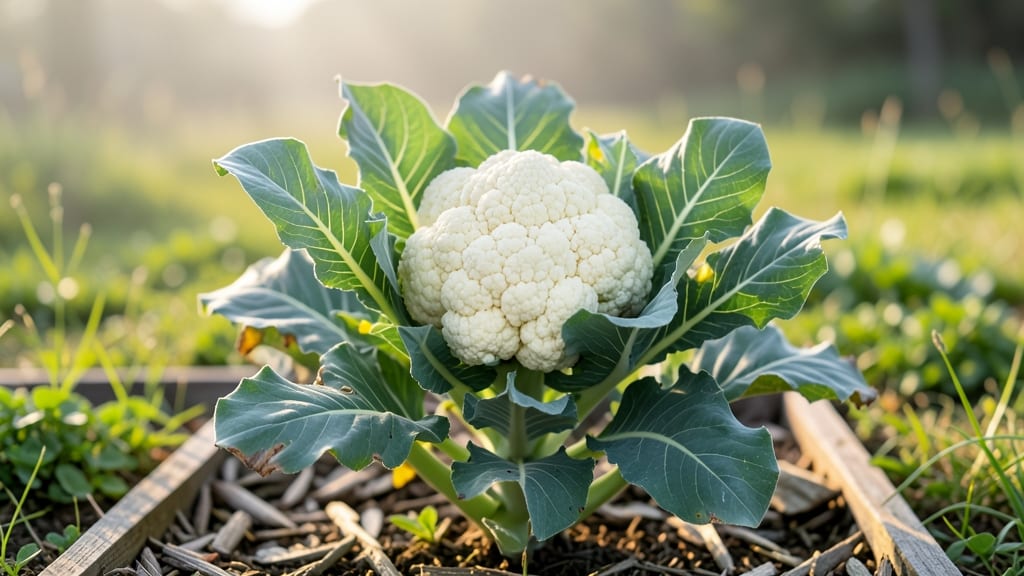
Knowing how do I know when cauliflower is ready to pick can turn a disappointing harvest into a crisp, flavorful victory—and the difference often comes down to just a few days.
That firm, compact head you've been waiting for might be hiding in plain sight, but missing the perfect moment means sacrificing taste and texture.
Most gardeners wait too long, letting the curd loosen and turn yellow, but the truth is, you can spot the ideal time with just a quick check. I'll show you exactly what to look for—from leaf color shifts to curd firmness—so you never miss the window again.
With these simple cues, you'll go from guessing to confidently harvesting at peak perfection.
Timing matters because once that 🥬 cauliflower head starts opening, it won't recover. The good news? You don't need fancy tools or years of experience—just your eyes and fingers.
I'll walk you through the 5 key signs that mean it's time to harvest, plus how to handle the plant afterward to encourage any hidden side shoots for a second harvest.
Whether you're a first-time gardener or a seasoned pro, these tips will help you avoid the most common mistakes that ruin harvests. Let's get your 🥬 cauliflower picked at the perfect moment—before it's too late!


5 Key signs your cauliflower curd is perfectly ripe for harvesting
Cauliflower is one of those vegetables where timing is everything. A head harvested too early might still be tough and underdeveloped, while waiting too long can turn your crisp curd into a woody, bitter mess.
The good news? There are clear visual and tactile cues that tell you exactly when to pick. I’ve learned these through years of trial and error—don’t make my mistakes!
First, focus on the curd itself. The most reliable sign of ripeness is a firm, compact head that feels heavy for its size. When you gently squeeze the florets, they should resist slightly—like a well-set firm tofu.
If it feels soft or spongy, it’s not ready yet. This tactile check is non-negotiable for flavor and texture.
- 1 Curd Size: Aim for heads 6-8 inches in diameter. Smaller than a golf ball? Too early. Larger than a softball? Likely overripe.
- 2 Leaf Color Shift: The outer leaves should start turning yellow or brown and dying back naturally. Healthy green leaves mean the head isn’t ready yet.
- 3 Consistent Color: The curd should be uniform in color—whether white, purple, or orange. Brown or yellow spots signal it’s past its prime.
- 4 Tight Floret Packing: The florets should be tightly packed with no gaps. If you can see light between florets, the head is opening and losing quality.
- 5 Growth Slowdown: The plant’s growth rate slows as the head matures. If new leaves stop emerging and the stem feels woody, it’s time to harvest.
Don’t overlook the color consistency of your cauliflower variety. For example, purple cauliflower should maintain its deep hue, while orange varieties like Romanesco should stay vibrant. Any dulling or mottling is a red flag that the head is aging.
I once ignored these signs with a Romanesco plant, and by the time I noticed, the florets had turned a sad, pale yellow.
Another pro tip: Check the stem and base of the curd. If the stem feels thick and sturdy (about the diameter of a pencil), the head is ready. A thin or hollow stem means the plant is struggling or the head is underdeveloped.
This is especially critical for dwarf varieties, which have smaller stems but still need firmness.
Timing matters beyond just the visual cues. Most cauliflower varieties take 70-100 days to mature, but cool weather slows growth. If your region is experiencing unseasonably warm temperatures (above 80°F), the head may mature faster.
In my Zone 6a garden, I’ve seen heads ready in as few as 65 days during heatwaves, while cooler springs can stretch it to 100 days.
One common mistake is waiting for the leaves to fully die back. While yellowing leaves are a sign, don’t wait until they’re crispy or browned—this means the head has already started to open and lose moisture.
I’ve seen gardeners harvest too late because they thought the plant was "done," only to find the curd was dry and tough. The goal is to pick just as the leaves begin to yellow, not after they’ve died.
For continuous harvests, some varieties like Snowball Y Improved produce side shoots after the main head is cut. These smaller curds will follow the same ripening cues but are often half the size of the primary head.
Keep an eye on the base of the plant for new growth—these side shoots can be just as delicious if harvested at the right time.
Finally, trust your instincts. If you’ve been watching your cauliflower daily, you’ll start to recognize the subtle changes that signal ripeness. The head will feel heavier, the florets will resist slight pressure, and the overall plant will look fuller.
When all these signs align, it’s time to grab your sharp knife and harvest before the window closes.
Common mistakes that cause overripe or underripe cauliflower (and how to avoid them)
Even the most experienced gardeners can end up with cauliflower that's either too woody or too small—usually because of small but critical mistakes in care. The good news?
Most of these issues stem from environmental factors and simple maintenance oversights you can easily correct. Let's tackle the most common pitfalls first.
One of the biggest culprits is temperature swings. Cauliflower thrives in cool weather but bolts or becomes bitter when temperatures climb above 75°F (24°C). If your garden is heating up unexpectedly, your plants might be struggling silently.
Similarly, high humidity can lead to mold or rot before the heads even form properly.
Another frequent mistake is overwatering. While cauliflower needs consistent moisture, soggy soil can cause heads to split or rot. I've seen gardeners drown their plants thinking they're helping, only to watch their harvest turn to mush.
Balance is key—aim for 1-2 inches of water per week, delivered at the soil level, not the leaves.
Here's where many gardeners trip up: neglecting the outer leaves. Those curly green leaves aren't just decoration—they protect the developing head from sun exposure. If you let them yellow and die back too early, your cauliflower will overheat and turn bitter.
Always keep them trimmed back just enough to expose the head without removing too much foliage.
⚠️ How Do I Know When Cauliflower Is Ready to Pick?
Timing is everything! Your cauliflower is ready when:
- 🥬 The head is 6-8 inches wide and firm to touch
- 🟡 Outer leaves start yellowing naturally (don't trim them yet!)
- ✅ The curd feels heavy for its size and florets are tightly packed
Wait too long, and your white cauliflower turns yellowish-brown while purple varieties fade to dull gray. Harvest at peak firmness for the best flavor!
Don't forget about soil fertility. Cauliflower is a heavy feeder, and if your soil lacks nutrients, heads will stay small or develop poorly. I always recommend a balanced fertilizer (like 5-10-10) at planting and again when the heads start forming.
Too little nitrogen early on means stunted growth, while too much later can lead to leafy monsters with tiny curds.
Finally, harvest timing matters more than you'd think. If you're growing multiple varieties, keep track of their maturity dates—some take 60 days while others need 100 days.
Mixing them up can mean some heads are ready while others are still developing. Always check the back of your seed packets for exact days to maturity.
With these adjustments, you'll avoid the most common mistakes and enjoy perfectly timed cauliflower harvests all season long. The key is paying attention to your plants' signals and adjusting care as needed—your future meals will thank you! 🌱