
Propagation
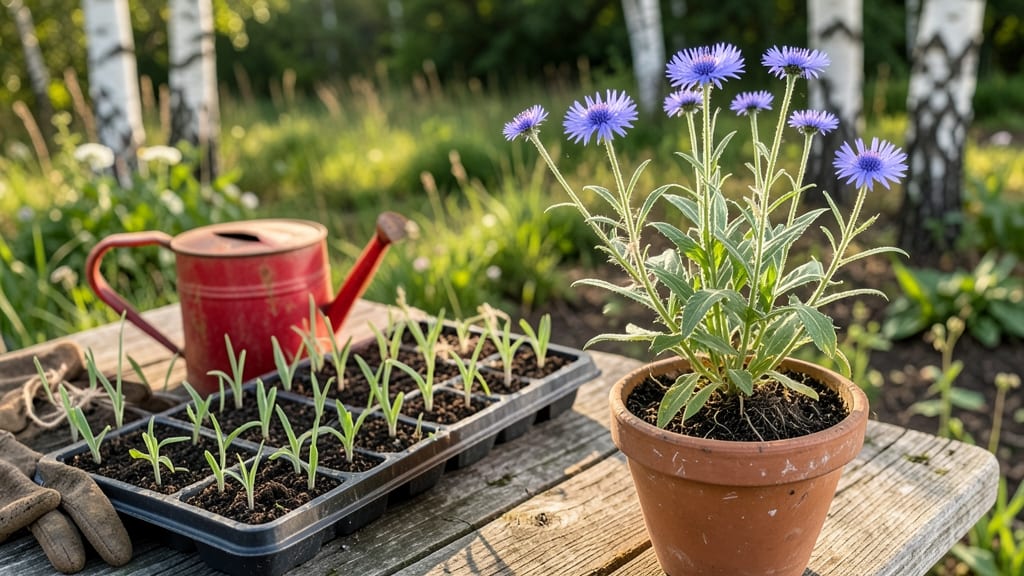
How long do cornflowers take to grow from seed? The answer is easier than you might think—these cheerful blooms sprout in just 7-10 days, but reaching full bloom requires patience and the right care. The good news? If you planted your seeds in March or April (the ideal window for USDA Zone 6a), you’re already on track for a stunning summer display. But here’s the catch: while germination is fast, the journey from tiny sprout to vibrant flower can take 8-12 weeks, depending on sunlight, soil, and watering habits.
Don’t worry—this guide breaks down every stage, from those first delicate sprouts to the moment your cornflowers burst into color. I’ll share the key secrets to speeding up growth (like proper spacing and sunlight tricks) and how to troubleshoot delays before they happen.
Ready to turn your garden into a cornflower paradise? Let’s dive into the exact timeline and care tips that’ll have your plants thriving in no time.


Cornflower germination timeline: from seed to first sprouts in 7-10 days
If you've ever wondered how long do cornflowers take to grow from seed, the answer starts with the first critical phase: germination. Cornflower seeds typically sprout within 7 to 10 days under ideal conditions, but several factors can speed up or slow down this process.
Understanding these variables ensures you'll see those first delicate sprouts sooner rather than later.
The germination timeline begins the moment you plant your cornflower seeds in moist, well-prepared soil. Unlike some flowers that take weeks to appear, cornflowers are known for their relatively quick emergence.
However, rushing this stage can lead to weak seedlings or even failed sprouts. Patience and proper preparation are key to unlocking that 7-day germination window.
One of the most critical factors in achieving that 7-day germination timeline is maintaining the right soil temperature. Cornflower seeds germinate best when soil temperatures hover between 60°F and 70°F.
If your climate runs cooler, consider using a seedling heat mat or planting in a greenhouse. Cold soil can extend germination to 2-3 weeks, which is far beyond our ideal window.
The moisture level of your soil plays an equally important role. While keeping seeds damp is essential, overwatering can suffocate them. Aim for soil that feels like a damp sponge—moist but not waterlogged.
A simple trick is to water the area around your seeds rather than directly on them to prevent displacement. This balance ensures your seeds stay hydrated without drowning in excess moisture.
Light exposure during germination is often misunderstood. Cornflower seeds don't need light to sprout—they'll germinate just fine in darkness. However, once those first cotyledons appear (the tiny leaves that emerge first), they'll need 4-6 hours of sunlight daily to prevent leggy, weak seedlings.
This transition typically happens around day 10, so plan your planting location accordingly.
One common pitfall that extends the germination timeline is poor seed-to-soil contact. If seeds aren't pressed gently into the soil, they may not receive consistent moisture or warmth. To ensure proper contact, press each seed lightly into the soil with your finger or a small tool.
This small step can shave critical days off your germination timeline and give you those first sprouts faster.
Another factor that often surprises new gardeners is the seed viability. Older seeds may take longer to germinate or fail entirely. For best results, use seeds that are 1-2 years old or less.
If you're unsure about your seed age, conduct a simple viability test by soaking a few seeds in water overnight—those that sink are more likely to sprout within our target 7-10 day window.
If you're planting cornflowers in containers, choose pots with good drainage to prevent waterlogging. The root systems of young cornflower seedlings are sensitive to excess moisture, which can lead to rot before they even emerge.
A well-draining mix with perlite or vermiculite helps maintain that delicate balance of moisture and aeration that supports rapid germination.
For gardeners in cooler climates, consider starting seeds indoors 4-6 weeks before your last frost date. This head start gives you a jump on the growing season and ensures your seedlings are robust enough to handle transplanting.
Use small pots or seed trays with individual cells to prevent overcrowding, which can stress young plants and delay their development.
Once your cornflower seedlings emerge, resist the urge to move them immediately. Young sprouts have delicate root systems that can be easily damaged. Wait until they have 2-3 sets of true leaves (not just the initial cotyledons) before considering transplanting.
This typically occurs around 2-3 weeks after germination, giving you plenty of time to harden off seedlings before moving them outdoors.
Cornflower growth stages to full bloom: 8-12 weeks explained
Cornflowers (Centaurea cyanus) transform from tiny seeds to vibrant blooms in just 8-12 weeks, but each growth stage requires specific care to ensure success. Understanding these phases helps you adjust your gardening routine—whether it's spacing seedlings or protecting buds—to maximize your harvest of bright blue flowers.
Let's break down what to expect at each milestone.
After sprouting in 7-10 days, cornflowers enter their first true leaf stage around week 3. This is when you'll notice the lance-shaped leaves emerging, signaling the plant is ready for thinning if sown too densely.
Proper spacing now prevents competition and ensures each plant gets enough sunlight and nutrients for robust growth.
- Week 3-4: Seedling Stage – First true leaves appear. Thin seedlings to 12-18 inches apart to prevent overcrowding. 🌱
- Week 5-7: Vegetative Growth – Stems elongate rapidly. Add balanced fertilizer (5-10-10) to support leafy growth. 🌿
- Week 8-10: Bud Formation – Flower buds form at stem tips. Reduce nitrogen to encourage blooming. 🌸
- Week 11-12: Full Bloom – Bright blue flowers open fully. Deadhead spent blooms to prolong flowering. 💙
During the vegetative stage (weeks 5-7), cornflowers focus on building strong stems and foliage. This is the perfect time to mulch around the base to retain moisture and suppress weeds.
If you notice yellowing leaves, it may signal overwatering or nutrient deficiency—adjust your care routine immediately to keep plants healthy.
The bud formation stage (weeks 8-10) is when cornflowers shift their energy toward flowering. You'll spot tight buds forming at the top of stems, and the plant may start to look "bushier."
To accelerate this phase, ensure your cornflowers receive full sun (6+ hours daily) and reduce high-nitrogen fertilizers, which can delay blooming.
By week 11-12, your cornflowers should be in full bloom, showcasing their iconic blue, purple, or pink flowers. At this stage, focus on deadheading (removing spent blooms) to encourage more flowers and extend the blooming period.
If blooms appear small or sparse, check for pests like aphids or poor soil drainage, both of which can stunt growth.
To troubleshoot delays, monitor for common issues like slow germination (cold soil) or stunted growth (overcrowding). If your cornflowers take longer than 12 weeks to bloom, consider transplanting them to a sunnier spot or fertilizing lightly with phosphorus to boost flowering.
With the right care, you'll enjoy a colorful summer display in no time! 🌼