
How To
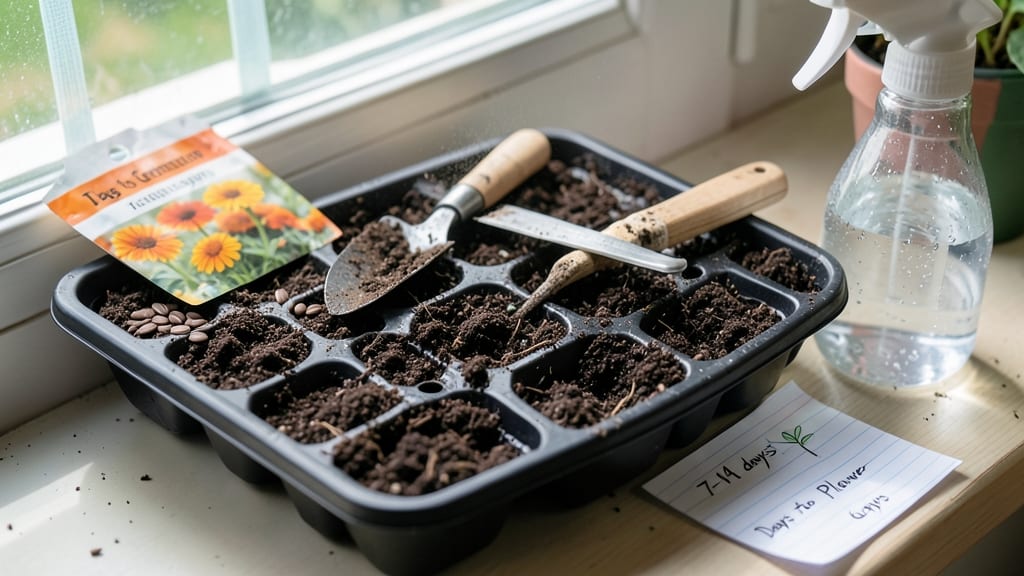
If you’ve ever wondered how long do flower seeds take to grow, staring at a tray of freshly planted seeds 🌸 and waiting for those first tiny sprouts can feel like an eternity.
The answer isn’t one-size-fits-all, because some varieties pop up in just 5 days, while others take up to 6 weeks or more to break through the soil.
Understanding these timelines is the key to avoiding disappointment and planning your garden like a pro. Whether you’re growing fast-blooming marigolds or patiently waiting for delphiniums, knowing what to expect helps you adjust care, troubleshoot delays, and celebrate those first tiny sprouts when they arrive.
In this guide, I’ll break down exactly how long different flower seeds typically take to germinate—from the speediest annuals to the slowest perennials—and share the secret factors that can speed up or stall the process.
Ready to turn those seeds into a thriving garden? Let’s dive into the science (and patience) behind getting your flowers off to the right start.


Flower seed germination time chart by fastest to slowest bloomers
If you've ever eagerly waited for those first green sprouts to appear after planting flower seeds, you know patience is key—but knowing what to expect can make all the difference. Some seeds pop up in just a few days, while others take weeks or even months to germinate.
Understanding these germination timelines helps you plan your garden, adjust your expectations, and troubleshoot when sprouts don't appear as expected. Whether you're growing fast-blooming annuals like zinnias or slow-starting perennials like delphiniums, timing is everything.
Below, I’ve organized popular flower seeds into three speed categories: fast germinators (ready in days), moderate germinators (weeks), and slow germinators (months). This chart will help you schedule your planting, avoid premature replanting, and celebrate those first tiny shoots when they finally arrive.
Pro tip: Always check seed packets for specific instructions, as some varieties have unique requirements.
Factors that speed up or delay flower seed germination
If you've ever stared at a seed tray waiting for those first tiny sprouts, you know patience is key—but some factors can either speed up or completely stall germination. The good news? Understanding these critical variables puts you in control.
From soil warmth to moisture balance, each element plays a starring role in whether your seeds wake up quickly or take their sweet time.
Let's break down the science behind germination timelines. Some seeds, like marigolds, pop up in just 5-7 days under ideal conditions, while others, like delphiniums, may take 30+ days to show signs of life.
The difference? It's all about how we prepare the environment—and sometimes the seeds themselves—before planting.
-
Soil Temperature
Most flower seeds germinate best between 60°F-75°F. Cool-season flowers like pansies need 50°F-60°F, while tropical varieties like impatiens thrive at 75°F-85°F. Use a seedling heat mat for faster results in cooler climates.
-
Moisture Consistency
Seeds need constant moisture but avoid soggy soil. Bottom-watering trays or mist systems keep humidity high without drowning seeds. Let the top inch dry slightly between waterings once sprouts appear.
-
Light Exposure
Most seeds germinate in darkness—cover trays until sprouts emerge. After germination, move to bright indirect light (12-16 hours/day) to prevent leggy seedlings. No light delays growth by 30-50%.
-
Planting Depth
Plant seeds 2-3x their width deep. Tiny seeds (like petunias) need only 1/4-inch coverage, while large seeds (like sunflowers) go 1-2 inches deep. Too deep = slower sprouting.
-
Pre-Treatment
Hard-coated seeds (like larkspur) need scarification (nick the seed coat) or stratification (cold-moist treatment). Skipping this can delay germination by weeks or months.
Temperature swings are the #1 enemy of fast germination. If your soil drops below 50°F, seeds may enter a dormant state, waiting for warmer conditions. I once had cosmos seeds take 21 days to sprout because my basement was too cool—until I moved them to a sunny windowsill.
Always check your germination requirements before planting!
Don't underestimate the power of seed age either. Older seeds (over 2 years) often germinate slower or poorly. Store seeds in a cool, dry place (like a sealed jar in the fridge) to preserve viability.
For example, zinnias lose viability after 3 years, while calendula seeds stay good for 5+ years.
Pro tip: If you're impatient, try soaking seeds overnight in warm water before planting. This softens hard seed coats and can cut germination time by 30-50% for seeds like dill or poppies. Just don't soak too long—12 hours max—or they'll rot before sprouting! 🌱