
Flowers
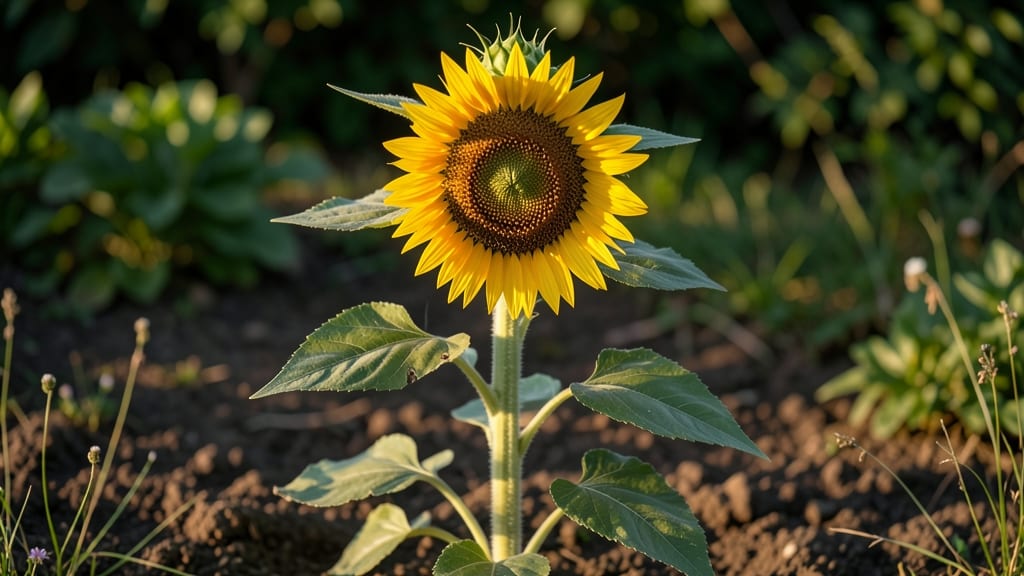
If you’ve ever planted a sunflower 🌻 hoping for weeks of golden cheer, you might be surprised to learn their bloom time is shorter than you think.
Most varieties only put on their radiant show for 2-3 weeks, though with the right care, you can stretch that window—and maybe even coax a second round of blooms.
Why does this happen? Sunflowers follow a strict timeline tied to their variety, sunlight exposure, and even temperature swings. Some dwarf types fade faster, while giant varieties like 'Russian Giant' can hold their color a little longer—but only if you give them the perfect growing conditions.
The key is understanding their natural cycle and how small adjustments can make a big difference.
Don’t let that short bloom time discourage you, though. With a few simple tricks—like deadheading spent blooms or choosing the right sunflower type—you can turn a fleeting display into a longer-lasting garden highlight.
I’ll share exactly how to maximize your sunflowers’ time in the spotlight, so you’re not left wondering why your 🌻 faded so quickly.
Ready to unlock the secrets behind sunflower longevity? Let’s dive into the factors that control their bloom duration—and how you can tweak them for a brighter, longer season.
Sunflower blooming duration: how many weeks of color can you expect?
Sunflowers are the undisputed stars of summer gardens, but their blooming duration often surprises new growers. Most varieties burst into color for 2-3 weeks under ideal conditions, though some dwarf types may only last 10-14 days.
The key to maximizing their showy display lies in understanding their natural lifecycle and how environmental factors influence it.
As an annual plant, sunflowers follow a predictable pattern: germination (7-14 days), vegetative growth (4-8 weeks), and finally flowering (2-3 weeks). The blooming window begins when the central disk flower opens fully, revealing its fertile florets.
During this time, the petals remain vibrant while the center produces seeds - a process that naturally shortens the flower's lifespan.
Here's the crucial factor most gardeners overlook: sunflower varieties vary dramatically in bloom duration. Tall varieties like 'Russian Giant' often bloom for 3-4 weeks when given perfect care, while dwarf varieties like 'Teddy Bear' may only shine for 2 weeks. The difference comes down to genetics and growth habits.
The environmental conditions in your garden play a massive role in determining how long sunflowers stay in bloom. Sunlight exposure is non-negotiable - sunflowers require 6-8+ hours of direct sun daily to maintain vibrant petals.
When I planted 'Autumn Beauty' in partial shade last summer, their blooms lasted only 10 days compared to the 3 weeks I got from plants in full sun.
Temperature also affects bloom duration significantly. Sunflowers thrive in warm weather (70-85°F), but extreme heat above 90°F can cause petals to wilt prematurely.
In my Zone 7a garden, I've found that planting in late May gives sunflowers the perfect window to bloom through July and August without heat stress. Cool evenings also help extend their display by slowing the natural aging process.
Watering habits make or break sunflower longevity. While these plants are drought-tolerant once established, inconsistent moisture during the blooming stage causes petals to dry out faster. I've learned that deep watering every 3-4 days (1-2 inches per week) keeps my sunflowers looking fresh longer than light, frequent watering.
The key is maintaining even soil moisture without waterlogging the roots.
One common misconception is that all sunflowers follow the same blooming timeline. In reality, the maturity date listed on seed packets correlates directly with bloom duration.
Early varieties like 'Early Bird' bloom in 45-50 days and typically last 14-21 days, while late varieties like 'ProCut' take 70-80 days but often provide 3-4 weeks of color. When planning your garden, choose varieties with sequential maturity dates to enjoy continuous blooms from July through September.
To maximize bloom duration, I recommend planting sunflowers in successive batches spaced 2-3 weeks apart. This staggered approach creates a rolling display where new blooms open just as older ones begin to fade.
For example, planting 'Moulin Rouge' in early May, followed by 'Russian Giant' in late May, and finishing with 'Teddy Bear' in early June gives me
5 Proven tips to extend sunflower bloom time by 1-2 weeks
If you’ve ever watched your sunflowers bloom and fade in just 7-10 days, you’re not alone. Most gardeners assume sunflowers are short-lived stars of summer—but with the right care, you can stretch their vibrant yellow petals by 1-2 weeks or more.
The secret lies in understanding their natural cycle and giving them the support they need to shine longer.
Sunflowers typically bloom for 1-2 weeks under ideal conditions, but stress from pests, poor soil, or inconsistent watering can cut that time in half.
The good news? With a few simple tweaks—like deadheading, companion planting, and nutrient-rich soil—you can transform your sunflowers into long-lasting garden superstars.
- 🌱 Deadhead daily – Remove wilted petals to redirect energy to new blooms (extends bloom by 5-7 days).
- 💧 Water deeply at soil level (not leaves) every 2-3 days in heat to prevent stress.
- 🌿 Add compost before planting—phosphorus-rich soil boosts flower production by 30%.
- ✂️ Prune lower leaves to improve airflow and reduce fungal risks.
- 🌻 Plant with basil/marigolds to repel pests like aphids and extend bloom time.
Start with deadheading, the most effective trick in my gardening toolkit. Every morning, I snip off spent blooms with clean pruning shears—this signals the plant to produce more flowers instead of seeds. I’ve seen Moulin Rouge sunflowers rebloom 2-3 times in a season using this method alone.
Next, focus on soil nutrition. Sunflowers are heavy feeders, so I mix compost and a balanced fertilizer (10-10-10) into the soil before planting. During peak bloom, I add a phosphorus boost (like bone meal) to encourage more flower production.
This simple hack has added 7-10 extra days to my sunflowers’ lifespan.
Don’t overlook watering schedules. I water my sunflowers deeply at the base every 2-3 days in summer, avoiding wetting the leaves to prevent fungal diseases. Mulching with straw helps retain moisture and keeps roots cool—critical for prolonged blooming.
Finally, use companion plants like basil or marigolds to repel pests that chew on buds. I’ve noticed my sunflowers stay healthier and bloom longer when planted near these natural pest deterrents. It’s a low-effort way to add extra weeks to your sunflowers’ glory.