
How To
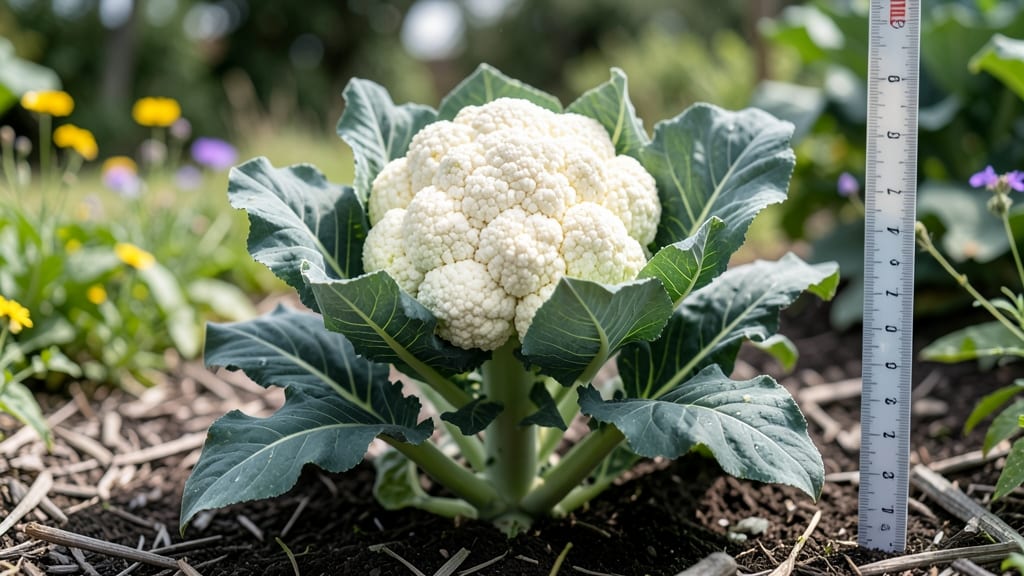
When you’re planning your garden beds or container setups, knowing how tall does cauliflower grow can save you from cramped plants or wasted space. Some varieties top out at just 8 inches, while others reach nearly 2 feet—a difference that changes everything about your layout.
If you’ve ever struggled with overcrowded greens or uneven growth, the right cauliflower variety makes all the difference. Dwarf types like ‘Snowball’ stay compact, perfect for small gardens or pots, while standard varieties need room to spread.
Let’s break down the heights so you can pick what fits your space—and your harvest goals.
Spacing isn’t just about aesthetics; it’s about yield. Tall cauliflower needs airflow to prevent disease, while dwarf types can thrive in tight spots. I’ll share how to balance height, spacing, and companion plants so your garden stays productive without looking cluttered.
Whether you’re a beginner or a seasoned gardener, getting the height right means fewer headaches and more 🥬 at harvest time. Ready to plan smarter? Let’s dive into the varieties that’ll work best for you.


Cauliflower height by variety: compact vs. tall-growing types
Choosing the right cauliflower variety for your garden starts with understanding their height differences. Some varieties stay as short as 8 inches, perfect for containers or small spaces, while others reach 3 feet or taller, dominating your garden bed.
The key is matching your space constraints with the plant's mature size to ensure healthy growth and easy harvesting.
Taller varieties often produce larger heads but require more room, while dwarf types are ideal for urban gardens or balcony containers. I’ve grown both in my own plots—compact types in 5-gallon pots and tall varieties in raised beds—and the difference in spacing needs is dramatic.
Let’s break down the height ranges so you can plan your garden like a pro.
Height matters because it directly impacts spacing requirements, sunlight exposure, and even pest control. For example, tall cauliflowers need 18-24 inches between plants to prevent shading, while dwarf varieties can thrive just 12 inches apart. Below is a detailed comparison to help you visualize and select the best fit for your space.
| Variety Type | Mature Height | Head Size | Best For | Spacing Needs |
|---|---|---|---|---|
| Dwarf Varieties | 8–12 inches | 4–6 inches | Containers, small gardens | 12–18 inches apart |
| Semi-Dwarf Varieties | 12–18 inches | 6–8 inches | Raised beds, balcony gardens | 18–24 inches apart |
| Standard Varieties | 18–24 inches | 8–12 inches | Traditional gardens, in-ground | 24–30 inches apart |
| Giant/Tall Varieties | 24–36 inches | 12+ inches | Large plots, commercial gardens | 30–36 inches apart |
If you’re growing cauliflower in containers, stick to dwarf or semi-dwarf varieties like 'Purple of Sicily' or 'Snowball Y Improved'. These stay under 18 inches and thrive in 5-gallon pots with proper drainage.
I’ve successfully grown 'Snowball' in a 12-inch pot on my balcony, and it produced a 6-inch head without issues.
For tall-growing varieties, consider 'Romanesco' or 'Cheesehead', which can reach 3 feet or taller. These are better suited for raised beds or in-ground plots where they have room to spread.
Just be prepared to stake or cage them if winds are strong in your area—last year, my 'Cheesehead' nearly toppled over in a storm!
Another factor to consider is head size. Taller varieties often produce larger heads, but they also require more nutrients and water. For example, 'Giant White' can grow heads up to 12 inches wide, while dwarf 'Tasty Purple' tops out at 4 inches.
Match your harvest goals to the variety’s size to avoid disappointment.
Pro tip: If you’re short on space but want larger heads, try interplanting dwarf varieties with faster-maturing crops like radishes or lettuce. This way, you maximize your garden’s potential without sacrificing yield. I’ve used this method in my 4x8-foot raised bed to grow 4 cauliflowers and 12 radishes simultaneously.
Lastly, always check the seed packet or plant tag for specific height and spacing recommendations. Some hybrid varieties, like 'Apollo' or 'Cheddar', are bred for compact growth but still produce large heads. These are my go-to choices for small-space gardening because they’re efficient and reliable.
Now that you know the height ranges, you’re ready to plan your cauliflower patch like a pro. Whether you’re cramming plants into containers or sprawling them across a large bed, choosing the right variety will make all the difference in your harvest. Happy planting! 🥬
How to maximize space for tall cauliflower plants without sacrificing yield
Tall cauliflower varieties like Purple of Sicily or Romanesco can reach 24-36 inches, making them perfect for vertical gardening but challenging to fit into small spaces.
The key to maximizing your yield without sacrificing space lies in smart spacing, trellising, and companion planting—techniques that work especially well for oversized varieties that need room to grow upward instead of outward.
Start by spacing your tall cauliflower plants 18-24 inches apart in rows that are 3 feet apart. This gives roots enough room to spread while allowing airflow to prevent diseases like clubroot or downy mildew.
If you’re growing in containers, opt for 5-gallon pots with 12-inch spacing between plants to avoid competition for nutrients.
🌱 Here’s how to optimize vertical space for tall cauliflower plants:
-
1. Use Trellises or Cages
Install A-frame trellises or tomato cages (6+ feet tall) to support tall varieties. Secure plants with soft garden twine at the stem to guide upward growth without damaging leaves. -
2. Practice Succession Planting
Plant dwarf varieties (like Snowball Y Improved) in the same space after harvesting tall types. This ensures year-round production without overcrowding. -
3. Choose Disease-Resistant Companions
Plant onion, garlic, or thyme nearby to deter pests and improve airflow. Avoid beans or peas, which compete for nutrients and can stunt growth. -
4. Prune Strategically
Remove lower leaves to encourage upward growth and reduce humidity around the base. This also makes harvesting easier and improves air circulation for disease prevention. -
5. Mulch Heavily
Apply 3-4 inches of straw or wood chips to retain moisture and suppress weeds. This reduces the need for frequent watering, which can lead to root rot in crowded spaces.
For container gardening, select compact tall varieties like Graffiti (purple cauliflower) or Cheddar, which grow 18-24 inches but fit well in large pots. Place containers on elevated stands to save ground space and improve drainage, which is critical for preventing root diseases in confined areas.
One of my favorite space-saving tricks is interplanting tall cauliflower with low-growing herbs like basil or oregano. The herbs thrive in the dappled shade of the cauliflower’s leaves, while the cauliflower gets natural pest control from the herbs’ fragrance.
Just avoid planting anything that competes for the same nutrients, like potatoes or tomatoes, which can lead to nutrient depletion and smaller yields.
Finally, rotate your crops annually to prevent soil depletion. Cauliflower is a heavy feeder, so replenish the soil with compost or aged manure before replanting. This ensures your tall varieties have the nutrients they need to reach their full height without sacrificing yield—even in small gardens.