
Flowers
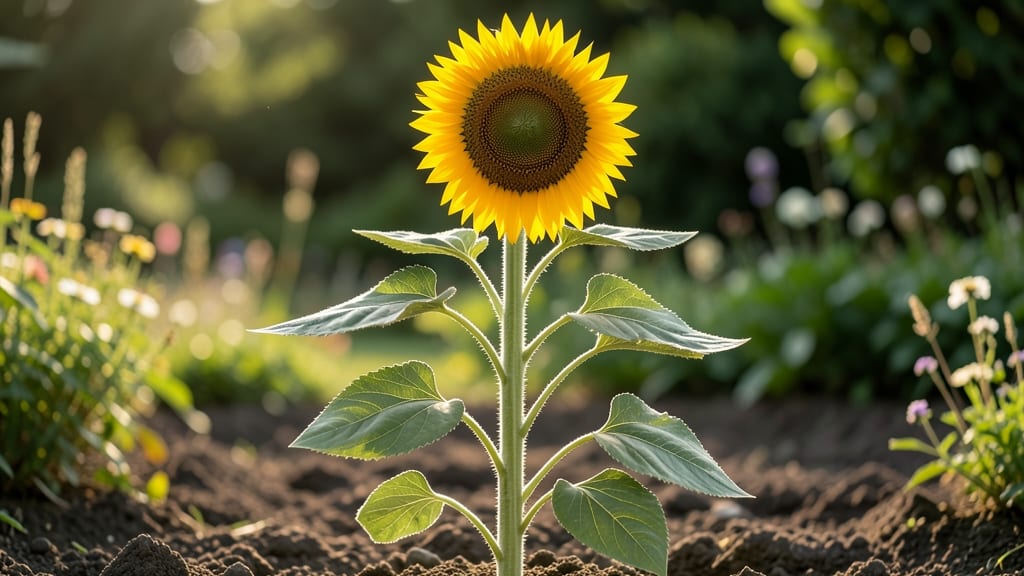
If you’ve ever wondered how tall those towering 🌻 sunflowers in your neighbor’s garden really grow, the answer might surprise you—some varieties stretch taller than a two-story house!
Understanding how tall sunflowers grow isn’t just about picking seeds; it’s the key to designing a garden that works for your space, whether you have a cozy balcony or a sprawling backyard.
Sunflowers come in three dramatic height categories: dwarf varieties (just 1-3 feet tall), medium-height plants (3-6 feet), and sky-scraping giants that can reach 10-16 feet or more.
The right choice depends on your goals—whether you’re aiming for a whimsical border, a privacy screen, or a stunning focal point in your landscape.
But here’s the thing: height isn’t just about the variety you pick. Factors like sunlight, soil quality, and even wind resistance play a huge role in how tall your sunflowers will grow.
I’ll break down the science behind it and share practical tips to help you maximize—or control—their height, so you can create the perfect sunflower display without sacrificing your garden’s layout.
Ready to plan your sunflower garden like a pro? Let’s dive into the varieties, care strategies, and space-saving tricks that will make your garden both beautiful and functional.


Sunflower height ranges by variety: from dwarf to sky-high giants
Sunflowers are nature's skyscrapers, with some varieties barely reaching your knees while others stretch taller than your garage door. The height of sunflowers depends entirely on the variety you choose, making them incredibly versatile for gardens of all sizes.
Whether you're creating a whimsical pollinator garden or a dramatic backyard focal point, knowing these height ranges helps you plan with precision.
From dwarf sunflowers perfect for containers to giant varieties that need their own support system, each type grows at a different rate and reaches maturity in its own timeframe.
I've grown everything from 1-foot-tall 'Teddy Bear' varieties to 14-foot-tall 'Russian Giant' specimens, and the differences in spacing, staking needs, and even watering requirements are night-and-day.
Here's the key: Dwarf varieties mature in about 60-70 days and reach their full height quickly, while giant varieties can take up to 120 days to reach their towering potential. This timing affects when you'll need to provide support and how much space to allocate in your garden plan.
Let's explore the three main height categories with real-world examples so you can visualize how each will fit into your space. The right choice depends on your garden's layout, sunlight conditions, and whether you want to grow sunflowers for cut flowers, birdseed, or simply as a stunning backdrop.
| Variety Type | Height Range | Mature Time | Ideal Spacing | Best For |
|---|---|---|---|---|
| Dwarf Varieties | 1-3 ft (30-90 cm) | 60-70 days | 12-18 in (30-45 cm) apart | Containers, borders, pollinator gardens |
| Semi-Dwarf | 3-6 ft (90-180 cm) | 70-85 days | 18-24 in (45-60 cm) apart | Cut flowers, mixed borders, small gardens |
| Standard | 6-10 ft (180-300 cm) | 85-100 days | 24-36 in (60-90 cm) apart | Backyard focal points, cut arrangements |
| Giant Varieties | 10-16 ft (300-480 cm) | 100-120 days | 36-48 in (90-120 cm) apart | Dramatic displays, windbreaks, birdseed |
| 🌻 Popular Examples 🌻 | ||||
| 'Teddy Bear' | 1-2 ft | 60 days | 12 in apart | Children's gardens, containers |
| 'Moulin Rouge' | 5-6 ft | 80 days | 24 in apart | Cut flowers, bouquets |
| 'Russian Giant' | 12-16 ft | 110 days | 48 in apart | Dramatic displays, birdseed |
When I planted 'Russian Giant' sunflowers last summer, I quickly learned that their 4-foot-wide root systems need plenty of space to establish before they shoot upward. These giants can develop roots that spread 3 feet wide, so planting them too close together leads to competition and stunted growth.
Always follow the spacing recommendations in the table above to give each plant room to thrive.
The growth rate of sunflowers is another critical factor. Dwarf varieties like 'Teddy Bear' grow about 1-2 inches per day during their peak growth phase, while giant varieties can add 2-4 inches per day.
This rapid growth means you'll see dramatic changes in just a few weeks, especially when they're receiving full sun and proper nutrients.
For small-space gardens, I recommend starting with semi-dwarf varieties like 'Moulin Rouge' or 'Autumn Beauty'. These reach 5-6 feet tall but stay manageable for most backyard layouts. Place them near patio edges or deck railings where their height adds drama without overwhelming the space.
Their 4-5 foot spread also makes them ideal for mixed borders with other perennials.
If you're growing sunflowers for cut
How sunflower height affects your garden layout and support needs
When planning your garden, sunflower height isn’t just about aesthetics—it’s a game-changer for layout design and plant support. A 3-foot dwarf variety like 'Teddy Bear' fits perfectly in containers, while a 12-foot giant like 'Russian Giant' needs its own dedicated space.
The wrong placement can lead to overcrowding, poor airflow, or even flopping stems in windy conditions.
Taller sunflowers also cast longer shadows, which can shade out nearby plants. If you’re growing sun-loving companions like tomatoes or basil, position them on the north side of your sunflowers to avoid competition.
For smaller gardens, consider vertical gardening—trellises or stakes can turn even 10-foot giants into stunning vertical features.
Sunflower Height & Garden Layout Guide
- 🌱 Dwarf (1-3 ft): Ideal for borders, containers, or front-of-bed planting. Space 12-18 inches apart to prevent crowding.
- 🌿 Medium (3-6 ft): Perfect for mid-bed placement or as a backdrop for shorter plants. Allow 18-24 inches between stems.
- 🌳 Tall (8-12 ft): Plant in groups of 3-5 with 3 feet between clusters to create a natural screen or focal point.
- 🪴 Giant (12-16+ ft): Dedicate a sunny corner or fence line. Use stakes or cages for windy areas to prevent toppling.
💡 Pro Tip: For wind-prone areas, interplant tall sunflowers with low-growing companions like marigolds or nasturtiums to stabilize stems.
Tall sunflowers often need extra support, especially in windy climates or if planted in loose soil. I recommend using bamboo stakes or spiral supports for varieties over 6 feet tall. Tie stems loosely with soft plant ties every 2-3 feet to avoid damaging the stem as it grows.
Another clever trick? Companion planting with deep-rooted plants like beans or peas. These plants help anchor the soil, reducing the risk of sunflowers toppling over. Plus, they add nitrogen to the soil, boosting your sunflowers’ growth without heavy fertilization.
If you’re short on space, consider succession planting. Start with dwarf varieties in early spring, then replace them with taller types as the season progresses. This keeps your garden dynamic while maximizing vertical space efficiently.
Remember, sunflower height isn’t set in stone—proper care can influence it. With the right support, spacing, and companions, even 16-foot giants can thrive in your garden without taking over. Happy planting! 🌻