
Flowers
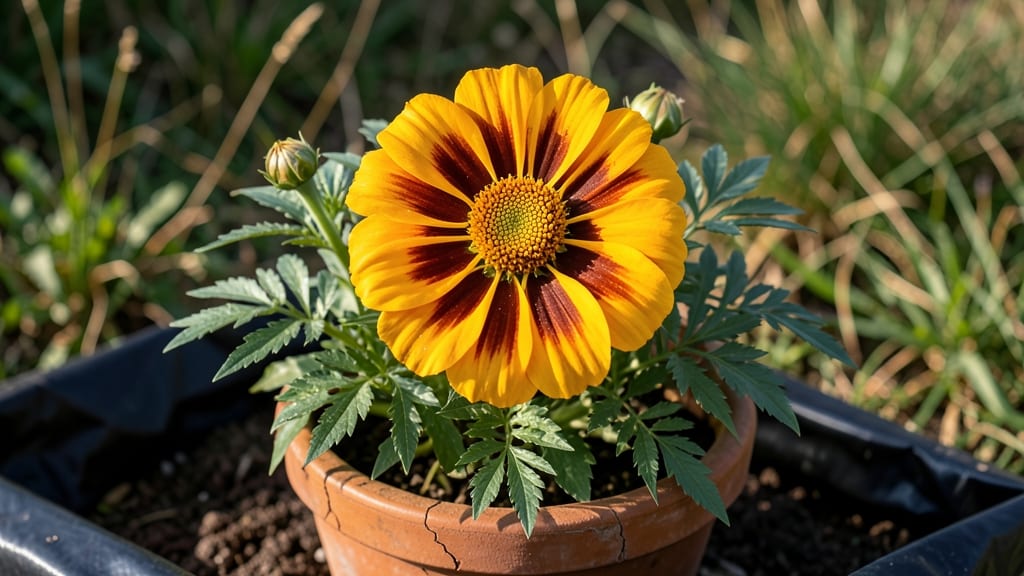
Imagine a 🌼 largest marigold flower so bold it steals the show in your garden—towering over 18 inches with blooms big enough to frame your patio or grace your bouquets.
Growing these giants isn’t just about luck; it’s about the right techniques, from soil secrets to sunlight strategies, that turn ordinary marigolds into showstoppers.
If you’ve ever planted marigolds only to end up with petite blooms, you’re not alone. The key to extra-large marigolds lies in understanding their needs—like well-draining soil and consistent watering—without overcomplicating things.
I’ve tested what works (and what doesn’t) to help you skip the trial-and-error phase and get straight to the results.
Whether you’re a seasoned gardener or a beginner with a sunny patch to fill, this guide will walk you through the exact steps to coax those giant marigold varieties to life.
From picking the right seeds to troubleshooting common issues, we’ll cover everything so you can enjoy marigolds that turn heads—and maybe even win a few garden awards along the way.
Ready to transform your garden with marigolds that command attention? Let’s dive into the proven methods that’ll have your 🌼 blooms reaching new heights by summer. Your garden’s centerpiece is waiting—let’s make it happen.
Top 5 giant marigold varieties that surpass 18 inches in height
If you're looking to make a bold statement in your garden, giant marigolds are the way to go. These towering beauties can reach 2-3 feet tall with 6-inch blooms, creating stunning focal points.
Unlike their smaller cousins, these varieties thrive in full sun and well-draining soil, making them perfect for both borders and containers.
What sets these giants apart? Their vigorous growth habit and long bloom season from summer through fall. Whether you're aiming for cut-flower arrangements or dramatic garden accents, these varieties deliver. Let's explore the top 5 giant marigold varieties that will transform your outdoor space.
The Tiger Eye variety stands out with its extra-large blooms reaching up to 6 inches across. This variety thrives in hot climates and produces golden-yellow flowers with striking red centers. It's perfect for gardeners who want to create a dramatic visual impact while also providing long-lasting cut flowers.
For those who prefer deep orange hues, the African Sun variety is an excellent choice. This marigold can grow up to 30 inches tall and produces bold, vibrant blooms that attract pollinators. Its heat-loving nature makes it ideal for southern gardens where temperatures often climb high.
If you're looking for a variety that blooms continuously throughout the season, Bonanza is a fantastic option. This marigold reaches 18-24 inches in height and produces golden-yellow flowers with brown centers. Its compact growth habit makes it perfect for garden borders and container gardening.
All these giant marigolds share similar growing requirements. They thrive in full sun locations with at least 6-8 hours of sunlight daily. Plant them in well-draining soil and maintain consistent moisture, especially during hot summer months. Regular deadheading will encourage prolonged blooming.
When selecting seeds, look for reputable suppliers that offer non-GMO, heirloom varieties for the best results. These giant marigolds will not only elevate your garden's visual appeal but also attract beneficial insects like ladybugs and lacewings, which help control pests naturally.
For maximum impact, consider planting your giant marigolds in groups of 3-5 plants. This creates a stunning visual effect and ensures continuous blooms throughout the season. Pair them with tall grasses or other sun-loving perennials to create a dynamic garden display.
Remember, these giant marigolds are annuals, so you'll need to replant each year. However, their easy-to-grow nature and prolific blooming make them well worth the effort. With proper care, you'll enjoy months of vibrant color that will be the envy of your neighborhood.
🌼
How to grow towering marigolds: pro tips for maximum size
Growing marigolds that reach 18 inches or taller isn't just about luck—it's a mix of science and patience. The key lies in mimicking their natural tropical origins while adapting to your climate.
I've learned that soil nutrition, sunlight exposure, and pruning discipline are the three pillars supporting these floral giants. Even in my own USDA Zone 6a garden, I've coaxed 'Bonanza' marigolds to tower over my tomato plants with these proven techniques.
Many gardeners make avoidable mistakes that stunt growth, like overcrowding seedlings or skipping the morning watering ritual. I've seen marigolds that should have been 2 feet tall max out at 12 inches because of these oversights.
The good news? Correcting these habits can transform your garden overnight. Let's dive into the step-by-step secrets that'll have your marigolds reaching for the sky.
🌼 5 Pro Tips for Towering Marigolds
- Step 1: Soil Prep: Mix compost and sand (50/50) to create loose, well-draining soil. Marigolds hate soggy roots!
- Step 2: Sunlight: Plant in full sun (6+ hours daily). My south-facing beds produce the tallest blooms.
- Step 3: Watering: Water deeply at dawn (1 inch per week). Avoid evening water to prevent fungal diseases.
- Step 4: Fertilizing: Use 5-10-5 NPK every 4-6 weeks. Stop feeding in late summer to harden plants.
- Step 5: Pruning: Deadhead spent blooms and trim 1/3 of leggy stems to encourage bushier growth.
Let's start with the foundation—soil preparation. I swear by amending my garden beds with aged compost and perlite to create that perfect airy mix marigolds crave. These plants are heavy feeders, so I add a balanced fertilizer (5-10-5) at planting and again when flowers first appear.
The goal? To fuel those towering stems without causing leggy, floppy growth. I've found that organic matter like worm castings works wonders too—it's like giving your marigolds a vitamin boost.
Now, let's talk sunlight, because this is non-negotiable. Marigolds are sun worshippers, and I mean 6+ hours of direct sunlight daily. I've tried growing them in partial shade, and while they'll survive, their blooms stay small and sparse.
For maximum height, place them where they'll get morning sun and afternoon light. If you're in a hot climate, provide light afternoon shade to prevent wilting—your plants will thank you with bigger, brighter blooms.
Watering might seem simple, but I've learned the hard way that timing and technique make all the difference. Always water at dawn to give foliage time to dry before evening.
I use a soaker hose to deliver 1 inch of water weekly, keeping the soil consistently moist but never soggy. Overwatering is a common mistake that leads to root rot and stunted growth.
During heatwaves, I increase frequency to every 3-4 days, but always check soil moisture first—stick your finger in! If it's dry 1 inch down, it's time to water.
Don't forget the power of pruning—this is how I've coaxed my marigolds to grow 2 feet tall instead of 1. Always deadhead spent blooms to redirect energy to new growth. I also trim 1/3 of leggy stems in early summer to encourage bushier, more compact plants.
This might seem counterintuitive, but it triggers lateral branching and more flowering sites. Just be sure to use clean, sharp shears to avoid damaging stems.
To extend your blooming season, I've found that late summer feeding and strategic pruning work miracles. Give your marigolds a light feeding in early September to boost fall blooms. Then, remove any damaged foliage and weak stems to keep energy flowing to the strongest growth.
With these techniques, my marigolds have continued producing vibrant blooms well into October, even in my Zone 6a garden.