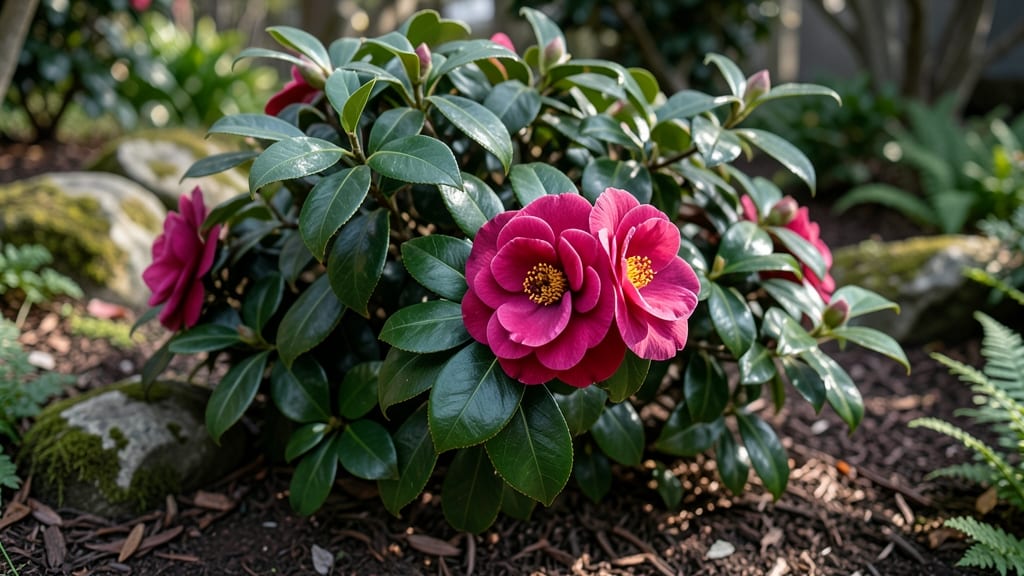
If you think what flowers bloom in winter in Florida goes dormant in winter, think again—this sunny state actually bursts into color when temperatures dip. The secret lies in cold-hardy blooms that thrive in Florida’s mild winters, turning your yard into a pollinator paradise from December through February.
I’ve spent years testing which flowers not only survive but flourish in Florida’s winter chill, and the results will surprise you. From fragrant jasmine to bold camellias, these plants prove that winter isn’t a gardening dead zone—it’s prime time for vibrant displays.
Let’s dive into the top 12 varieties that will keep your garden lively when others are bare.
What makes these flowers special? Many are native to Florida, meaning they’re already adapted to the state’s unique climate quirks—like sudden cold snaps or humid mornings. Others, like pansies and snapdragons, are non-native but just as tough, offering year-round interest with minimal fuss.
Whether you’re a seasoned gardener or a beginner, these picks will help you create a winter garden that’s as cheerful as it is easy to maintain.
Ready to skip the winter doldrums? I’ll walk you through planting tips, care routines, and even how to mix these blooms for a stunning seasonal display. Your Florida garden’s winter makeover starts here—no frost required.
Top 12 cold-hardy winter-blooming flowers for Florida gardens
Florida gardeners often assume blooms disappear in winter, but cold-hardy varieties prove that wrong. With temperatures dipping to 25°F, these 12 winter-blooming flowers thrive, offering vibrant colors and pollinator support.
From native Florida species to adapted non-natives, this curated list ensures your garden stays lively even in cooler months.
Many of these flowers not only survive Florida’s winter chill but flourish in the mild climate. Some, like camellias, even prefer cooler temperatures for peak blooming.
Others, such as winter jasmine, provide early-season color before spring arrives. Whether you’re designing a pollinator-friendly garden or simply want year-round beauty, these varieties deliver.
Below, explore the top 12 cold-hardy winter-blooming flowers for Florida, including their color palettes, bloom times, and ideal growing conditions. Each selection is chosen for its resilience and winter performance, ensuring your garden remains a standout even in the coldest months.
| Flower Name |
Color Palette |
Bloom Time |
Sunlight Needs |
Cold Tolerance |
| Camellia |
Pink, Red, White |
Dec–Feb |
Partial Sun |
25°F |
| Winter Jasmine |
Yellow |
Jan–Mar |
Full Sun |
20°F |
| Dwarf Gardenia |
White |
Dec–Feb |
Partial Sun |
28°F |
| Pansies |
Purple, Yellow, Blue |
Nov–Mar |
Full Sun–Partial Shade |
25°F |
| Snapdragons |
Orange, Pink, White |
Dec–Feb |
Full Sun |
28°F |
| Frostweed |
White |
Jan–Mar |
Full Sun |
20°F |
| Winter Honeysuckle |
Yellow |
Dec–Feb |
Full Sun–Partial Shade |
25°F |
| Sweet Alyssum |
White, Purple |
Nov–Mar |
Full Sun–Partial Shade |
25°F |
| Violas |
Blue, Purple, Yellow |
Dec–Feb |
Partial Shade |
25°F |
| Blanket Flower |
Red, Orange |
Jan–Mar |
Full Sun |
20°F |
| Salvia |
Blue, Purple |
Dec–Feb |
Full Sun |
25°F |
| Lantana |
How to create a stunning winter-flowering garden in Florida
Florida’s winter season offers the perfect opportunity to create a vibrant garden that blooms when many other regions are dormant. With cooler temperatures between December and February, you can enjoy colorful flowers while avoiding summer’s intense heat.
The key is selecting cold-hardy varieties that thrive in Florida’s USDA Zones 8-11, paired with proper soil preparation and care routines.
To maximize blooms, focus on sunlight exposure, well-draining soil, and seasonal maintenance. Many winter bloomers, like camellias and jasmine, prefer partial shade, while others, such as pansies, thrive in full sun.
Companion planting can also enhance your garden by attracting pollinators and deterring pests naturally. Let’s break down the essential steps to design and maintain a show-stopping winter garden.
Step-by-Step Guide to Your Winter-Flowering Garden
1
Select the Right Flowers
Choose cold-hardy varieties like camellias, jasmine, pansies, and snapdragons. These thrive in Florida’s winter chill and add year-round color.
2
Prepare Your Soil
Amend soil with compost or aged manure to improve drainage and fertility. Aim for a slightly acidic pH (6.0-6.5) for most winter bloomers.
3
Choose the Best Location
Most winter flowers need 6-8 hours of sunlight. Place sun-loving pansies in full sun, while shade-tolerant camellias thrive in dappled light.
4
Plant in Layers
Combine tall shrubs (e.g., camellias) with mid-height perennials (e.g., snapdragons) and low-growing annuals (e.g., pansies) for visual interest.
5
Water Deeply but Less Frequently
Water early in the morning to reduce evaporation. Aim for 1 inch of water per week, adjusting for rainfall.
6
Fertilize Lightly
Use a balanced fertilizer (10-10-10) in early winter to encourage blooms. Avoid heavy feeding, which can promote leafy growth over flowers.
7
Prune and Mulch
Prune dead or overgrown branches after flowering. Apply 2-3 inches of mulch to retain moisture and regulate soil temperature.
Once your garden is planted, seasonal care is crucial to keep flowers thriving. Deadhead spent blooms regularly to encourage new growth, and monitor for pests like aphids, which are common in winter.
Use neem oil or insecticidal soap for organic pest control. Mulching also helps protect roots from temperature fluctuations and conserves moisture.
For a low-maintenance winter garden, consider adding native Florida plants like frostweed or winter honeysuckle. These are drought-tolerant and require minimal care while supporting local pollinators. Pair them with evergreen shrubs like boxwood or holly to create a lush, year-round backdrop for your winter blooms.
With these steps, your Florida winter garden will burst into color, offering a refreshing contrast to the summer landscape. Whether you’re a seasoned gardener or just starting, these practical tips will help you create
★★★★★4.7(7 reviews)