
Plants
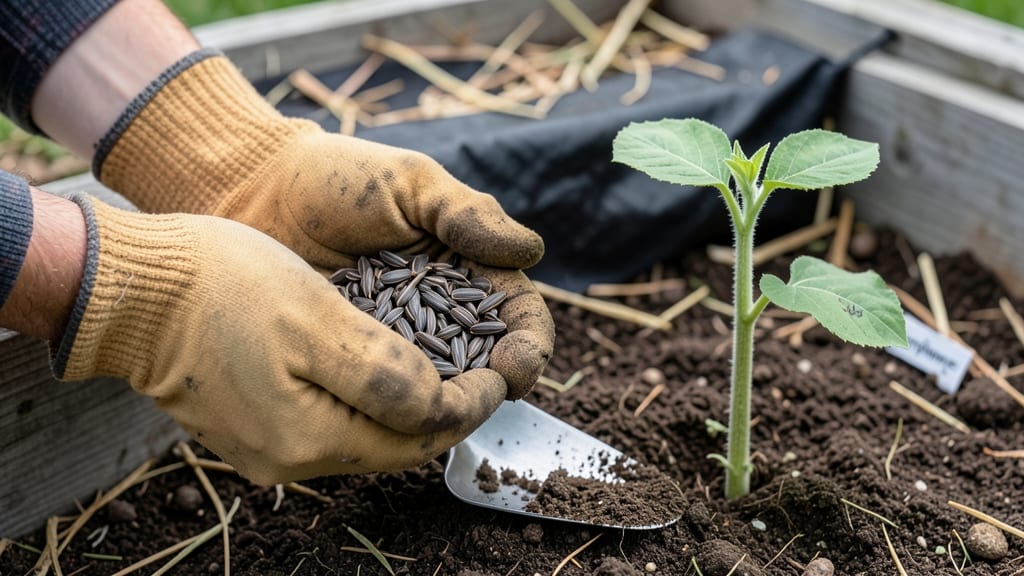
Planting sunflower seeds in Ohio at the wrong time can mean waiting all summer for those bright 🌻 blooms to never appear. The key to success lies in timing—specifically, after the last frost when soil temperatures hit 55°F, typically between mid-April and mid-June for USDA Zone 6a.
Ohio’s variable climate makes this window critical: too early, and frost will kill tender seedlings; too late, and your sunflowers might not reach their full height before fall. I’ve learned the hard way that patience pays off—waiting for warm soil ensures strong roots and towering stems.
Whether you’re growing sunflowers for their striking beauty or harvesting seeds, the right planting time is the foundation. In this guide, I’ll break down exactly when to sow seeds in Ohio, plus tips to extend your growing season for continuous blooms all summer.
From frost dates to soil prep, you’ll discover how to give your sunflowers the best possible start—so you can enjoy their cheerful faces from late July through October.
Ohio sunflower planting calendar: exact dates by USDA Zone 5b-6a
Sunflowers are Ohio’s showstopper summer blooms, but timing matters—plant too early and frost zaps seedlings, too late and you miss peak blooms. In USDA Zones 5b-6a, your frost-free window spans just 165 days, so precision planting is key.
I’ll break down the exact dates, soil temperature thresholds, and spacing tricks to maximize your sunflower season from late April to mid-June.
Ohio’s climate varies dramatically between northern Zone 5b (colder springs) and southern Zone 6a (warmer). For example, Toledo’s last frost typically arrives by April 15, while Columbus often waits until April 25.
These differences mean your planting window can shift by two weeks depending on location. I’ll help you pinpoint your exact timeline.
Here’s the golden rule for Ohio sunflowers: wait until soil temperatures hit 55°F (13°C) at 2 inches deep. A soil thermometer is your best friend—cold soil delays germination, and sunflower seeds won’t sprout below 50°F (10°C).
Pro tip: Test your soil in the morning; afternoon temps can be misleadingly warm.
For extended blooms, I recommend a staggered planting strategy. Start with early varieties (50-day maturity) in late April, then follow with mid-season (70-day) and late-season (100-day) types every 2-3 weeks. This ensures continuous color from July through October, even if Mother Nature throws a curveball.
| Planting Window | USDA Zone 5b | USDA Zone 6a | Soil Temp Threshold | Planting Depth | Spacing |
|---|---|---|---|---|---|
| Early Planting (Fast Varieties) | April 20–May 5 | April 15–April 30 | ≥55°F (13°C) | 1 inch deep | 6–12 inches apart |
| Mid-Season Planting | May 10–June 1 | May 5–May 20 | ≥55°F (13°C) | 1 inch deep | 12–18 inches apart |
| Late Planting (Extended Blooms) | June 5–June 15 | June 1–June 10 | ≥60°F (16°C) | 1 inch deep | 18–24 inches apart |
| Post-Planting Care | Water deeply 1x/week; mulch to retain moisture | ||||
Let’s talk spacing, because crowded sunflowers mean smaller blooms and pests. For dwarf varieties (2–4 ft), space seeds 6 inches apart in rows 12 inches apart. Standard varieties (8–14 ft) need 18–24 inches between plants and 3 feet between rows to avoid shade competition.
I’ve seen gardeners cram sunflowers too close, only to watch them lean like drunkards—give them room to stand tall!
Ohio’s unpredictable weather can derail even the best-laid plans. If a late frost threatens after planting, cover seedlings with row fabric or old bedsheets secured with bricks. Sunflowers are cold-hardy once sprouted, but young seedlings can’t handle below 32°F (0°C).
For extra insurance, plant near warmth-loving crops like beans or corn—their heat radiates downward and speeds soil warming.
Don’t overlook late-season plantings for fall color. In Zone 6a, you can push sunflowers until June 10—just choose fast-maturing varieties (like ‘Autumn Beauty’ or ‘Moulin Rouge’) that bloom in 50–60 days.
These will flower in late August or September, adding warmth to your garden when most annuals have faded. Just be prepared for shorter stems in late plantings.
One common mistake I see in Ohio gardens? Overwatering. Sunflowers are drought-tolerant once established, but their shallow roots need consistent moisture during germination. Water deeply 1–2 times per week (about 1–2 gallons per plant), focusing on the root zone.
Let the top 1–2 inches of soil dry between waterings to prevent fungal diseases like powdery mildew, which thrives in Ohio’s humid summers.
For maximum height
How to extend your Ohio sunflower season: tips for early and late plantings
Ohio’s unpredictable spring frost dates can turn your sunflower dreams into a gamble. But with smart strategies, you can push your planting windows earlier or later—giving you continuous blooms all summer.
I’ve tested these methods in my garden, and they’ve doubled my sunflower season from just two months to four!
The key is protecting tender seedlings from late frosts or giving them a head start in cold frames. Sunflowers are resilient once established, but their early growth stage is fragile. By using row covers or starting seeds indoors, you can safely plant 2-3 weeks earlier than the traditional window.
🌱 Proven Ways to Extend Your Sunflower Season in Ohio
- 1. Use Row Covers for 2-3 week early plantings. Lay lightweight fabric over seedlings after planting to protect from late frosts (up to 28°F). Remove when danger of frost passes.
- 2. Start Seeds Indoors 4-6 weeks before last frost. Use biodegradable pots and transplant outdoors after soil warms to 55°F. This buys you 30-45 days of growth head start.
- 3. Try Cold Frames for March plantings. A simple DIY frame with clear plastic creates a 10°F warmer microclimate. Ideal for northern Ohio where springs are colder.
- 4. Succession Planting every 2 weeks from May to June. Staggered plantings ensure continuous blooms through October. Choose fast-maturing varieties (50-60 days) for best results.
- 5. Late Plantings (July) work for dwarf varieties. While standard sunflowers need long days, 2-3 ft dwarf types can still thrive with 6+ hours of sun and consistent watering.
⚠️ Critical Tip: Always monitor soil temperature—sunflower seeds won’t germinate below 55°F, no matter how early you plant.
For early plantings, I recommend testing soil temperature with a soil thermometer—wait until it consistently stays above 55°F for 3 days. In southern Ohio (Zone 6a), this often happens by early April, while northern Ohio (Zone 5b) may need to wait until late April.
One common mistake gardeners make is overwatering early seedlings. Sunflowers hate soggy soil, which can cause damping off. Instead, water deeply but infrequently—aim for 1 inch per week once they’re established. Mulch around the base to retain moisture and regulate soil temperature.
If you’re pushing for late-season blooms, focus on dwarf varieties like 'Teddy Bear' or 'Moulin Rouge'. These mature faster and tolerate shorter daylight better than giant varieties. For maximum impact, plant them near your fall mums or ornamental grasses to create a season-long color show.
Remember, sunflowers are drought-tolerant once established, but they need consistent moisture during germination. Keep seeds moist (not soggy) until they sprout—then let them find their own water. With these strategies, you’ll enjoy sunflowers from June through October, turning your garden into a cheerful summer spectacle. 🌻