
Flowers
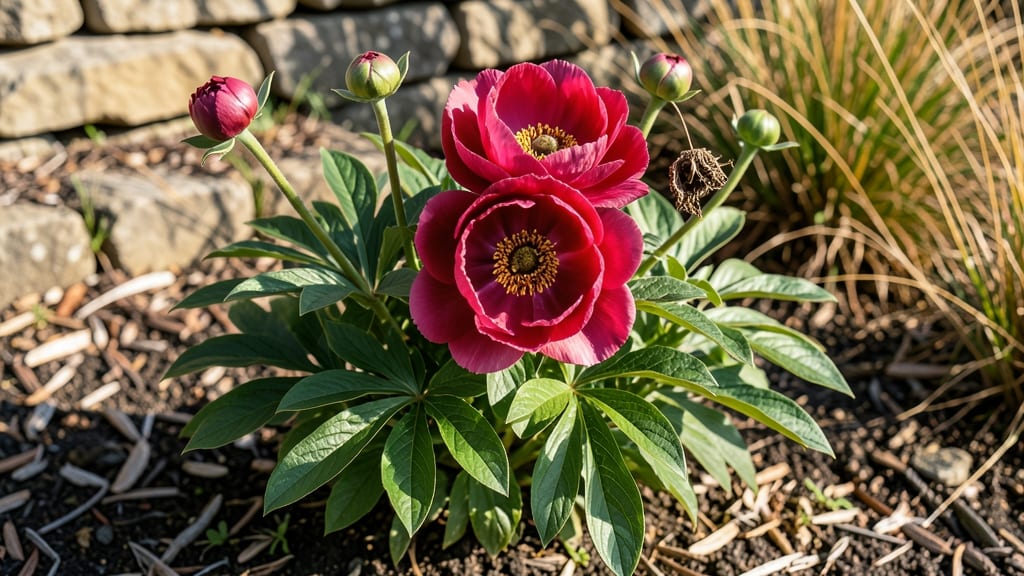
Peonies flower when your garden is bursting with color—typically between late April and June, but timing varies wildly depending on the variety and where you live. If you’ve ever waited eagerly for those lush, fragrant blooms only to be disappointed, you’re not alone.
The secret to predicting peony blooms lies in understanding their unique cycles, from herbaceous types that thrive in cool climates to tree peonies that love warmth.
In USDA Zone 6a, where many gardeners live, most peonies bloom around May, but early varieties can push flowers as soon as April, while late bloomers may wait until June.
The difference between a 5-week and 7-week show depends on sunlight, soil, and even how deep you planted those peony eyes last fall. Let’s break down exactly what to expect—and how to give your 🌸 peonies the best shot at a stunning, on-time performance.
You might think peonies are low-maintenance, but the truth is, they’re divas when it comes to timing. Too much shade? Blooms arrive late. Over-fertilizing? They might skip the show entirely. The good news?
With the right care, you can coax your peonies to flower earlier, longer, and with bigger, bolder blooms than ever before.
I’ll show you how to read the signs, adjust your garden strategy, and troubleshoot common mistakes—so you’re never left wondering, "Where are my peonies?" when spring rolls around.
Whether you’re a first-time peony grower or a seasoned gardener looking to fine-tune your timing, this guide will help you plan your garden like a pro.
From choosing the right variety for your climate to mastering the art of deadheading, you’ll learn the exact steps to ensure your peonies put on their best show—right on schedule. Let’s get those blooms happening!
Peony flowering timeline by variety: months and key differences
Peonies burst into bloom at different times depending on the variety and USDA zone. While most gardeners expect late spring flowers, some early bloomers appear as early as April, and late varieties may linger into June.
Understanding these differences helps you plan companion plants and extend your garden's seasonal interest. For example, Paeonia lactiflora (herbaceous peonies) typically bloom earlier than tree peonies (Paeonia suffruticosa), which often wait until late May.
The hardiness zone shifts bloom times by 1-2 weeks—cooler climates (zones 3-5) see flowers 2-3 weeks earlier than warmer zones (7-9). In zone 6a, like my garden, most peonies bloom from mid-May to early June.
Meanwhile, in zone 9, late varieties might not peak until June 15. This variation is why I always check the specific variety's label before planting.
| Variety Type | Peak Bloom Month | USDA Zones | Key Notes |
|---|---|---|---|
| Early Herbaceous (Paeonia lactiflora) | April - Early May | 3-9 | 'Sarah Bernhardt', 'Bowl of Beauty' (fragant, large blooms) |
| Mid-Season Herbaceous | Mid-May - Late May | 4-8 | 'Duchesse de Nemours', 'Coral Charm' (disease-resistant) |
| Late Herbaceous | Early June | 5-9 | 'Bartzella', 'Krinkled White' (heat-tolerant) |
| Tree Peonies (Paeonia suffruticosa) | Late May - June | 6-9 | 'Shinirai Shikibu', 'Yuwarakikou' (fragrant, long-lasting) |
| Intersectional (Paeonia hybrids) | May - Early June | 5-9 | 'Sarah Bernhardt', 'Bowl of Beauty' (combines traits) |
The earliest bloomers, like 'Sarah Bernhardt', often appear in April in warmer zones (7-9) but wait until mid-May in cooler zones (3-5). This variety's pink double blooms are iconic, but they require full sun and well-draining soil to perform reliably.
I’ve found that planting them near late-blooming tulips creates a seamless transition from spring to summer color.
Mid-season varieties, such as 'Duchesse de Nemours', are the workhorses of peony gardens. Their ruffled pink blooms typically appear in late May across most zones. What sets them apart is their disease resistance, making them ideal for humid climates. In my zone 6a garden, they often bloom just as daylilies are coming into their own, extending the visual interest.
Late bloomers like 'Bartzella' push the envelope to early June, often coinciding with roses and hydrangeas. These varieties thrive in hotter climates (zones 7-9) and can handle drier conditions better than early bloomers.
I’ve noticed they also produce larger flowers in full sun, making them perfect for cutting gardens.
Tree peonies are the latecomers to the party, typically blooming from late May to June. Unlike their herbaceous cousins, they’re woody shrubs that can live for decades. Varieties like 'Shinirai Shikibu' are prized for their fragrant yellow blooms and long vase life. In zone 6a, they often bloom just as summer annuals like zinnias are taking over, creating a stunning contrast.
Predicting bloom times isn’t just about the variety—it’s also about planting depth. Peony "eyes" (buds) should be 1-2 inches below soil. Planting them too deep delays blooming, while shallow planting can expose them to freeze damage.
I learned this the hard way when my 'Coral Charm' took an extra week to bloom
How to extend peony blooms: pruning, deadheading, and seasonal care
Peonies reward patience with lush, long-lasting blooms, but their flowering duration depends heavily on how you care for them. The right pruning timing and deadheading techniques can extend blooms by weeks, while neglect often shortens their glory.
I’ve learned the hard way—over-pruning my first peony bush left me with bare stems for years!
Most peonies bloom from late spring to early summer, typically May to June in USDA zones 4-8. However, tree peonies often flower 1-2 weeks earlier, while herbaceous types may linger until mid-July in cooler climates.
The key to extending these blooms lies in seasonal care that aligns with their natural growth cycle.
⚠️ When Does Peony Flower? Critical Timing You Might Be Missing
Herbaceous peonies typically bloom May 15–June 15, while tree peonies often start April 1–May 10. Intersectional peonies (hybrids) usually fall in between, blooming May 1–June 10. Missed deadheading after peak bloom can shorten the season by 30–50%, while fall pruning (not spring) preserves next year’s buds.
Start with proper pruning—the biggest mistake I see is cutting back peonies in early spring before new growth appears. Instead, wait until after blooming, when foliage turns yellow. Trim stems to 1–2 inches above ground level to prevent disease while preserving next year’s buds.
For tree peonies, prune lightly in late winter to shape, but never remove more than 1/3 of the branches.
Deadheading is your secret weapon for extended blooms. As soon as spent blooms fade, snip stems back to the first set of healthy leaves. This redirects energy to new flower buds forming below.
I’ve seen peonies produce second flushes of blooms when deadheaded consistently—though it’s less common, it’s not impossible! Avoid deadheading tree peonies too aggressively, as their blooms form on old wood.
Soil and nutrients play a huge role in bloom longevity. Peonies thrive in well-draining, slightly acidic soil (pH 6.5–7.0). Amend heavy clay with compost or sand, and avoid high-nitrogen fertilizers that promote leaves over blooms.
Instead, use a balanced 5-10-10 fertilizer in early spring and late summer to encourage strong root systems. Mulch with 2–3 inches of organic matter to retain moisture and regulate soil temperature.
Don’t forget seasonal adjustments! In fall, apply a thin layer of mulch (2–3 inches) to insulate roots, especially in USDA zones 3–5. In winter, avoid disturbing the soil—peony roots are dormant but vulnerable to frost heave.
And in early spring, water deeply to break winter dormancy before buds swell. These small steps can turn a 2-week bloom into a 3-week spectacle!
With these proven techniques, your peonies will bloom earlier, longer, and more abundantly each year. The key is patience and precision—don’t rush pruning, stay consistent with deadheading, and give them the right soil conditions. Your garden will thank you with showstopping peony displays for decades. 🌸