
Flowers
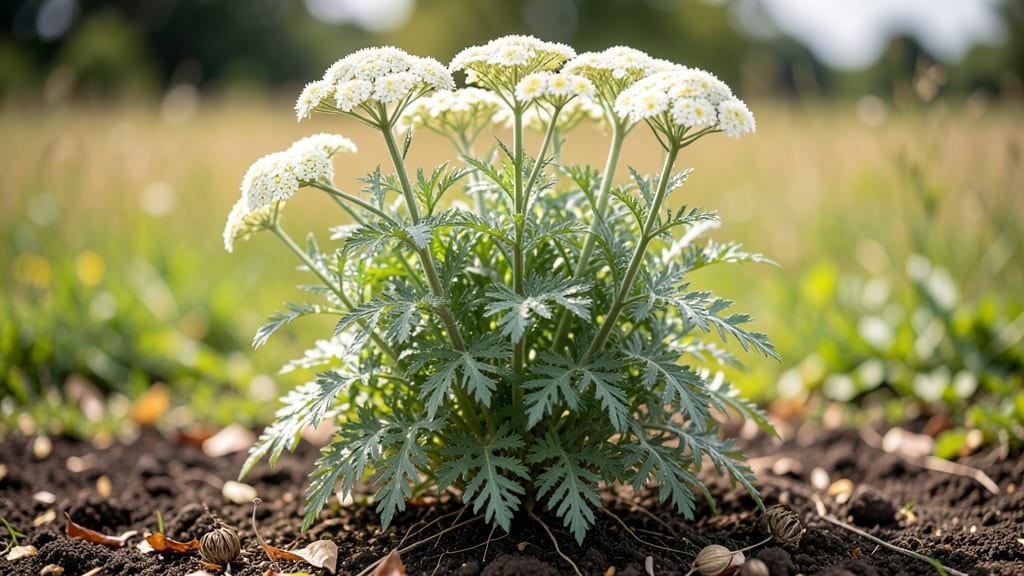
If you’ve ever planted yarrow 🌼 hoping for a burst of color, you’ve probably asked yourself: when does yarrow flower? The answer isn’t just about the calendar—it’s about your climate, soil, and even how you care for it.
For most gardeners in USDA Zone 6a (like where I live), yarrow typically blooms between June and September, turning your garden into a fragrant, pollinator-friendly paradise. But timing can shift depending on whether you’re in a cooler northern region or a warmer southern one.
What I’ve learned is that yarrow’s flowering isn’t just about patience—it’s about strategy. The right sunlight, well-drained soil, and a little deadheading can extend those blooms for weeks longer than you’d expect.
Ready to unlock the secrets to a longer, more vibrant yarrow season? Let’s dive into the exact months, zones, and tips that’ll have your garden buzzing with color all summer long.
Yarrow flowering timeline by month: when to expect blooms
Yarrow (Achillea millefolium) is one of those magical perennials that rewards patience with long-lasting blooms from early summer to fall. But timing matters—especially since day length and temperature trigger its flowering cycle.
In my Zone 6a garden, I’ve learned that yarrow’s bloom window shifts dramatically depending on where you live, from late spring in the South to mid-summer in colder climates. Let’s break down exactly when to expect those flat-topped clusters of white, pink, or red in your region.
Most gardeners in the U.S. and Canada see yarrow’s first buds emerge as daylight hours stretch beyond 14 hours, typically in late May or June.
However, early varieties in warmer zones (7–9) can start blooming as early as April or May, while northern growers (Zones 3–5) might not see flowers until June or July. The key? Temperature thresholds—yarrow needs consistent 50°F+ soil temps to kickstart its flowering process.
| Month | Bloom Stage | Climate Notes | Garden Tip |
|---|---|---|---|
| April | Early Buds (Zones 7–10) | Southern U.S. & coastal areas | Deadhead spent blooms to encourage reblooming |
| May | Peak Bloom (Zones 6–9) | Mid-Atlantic to Pacific Northwest | Cut flowers for arrangements—best fragrance now! |
| June | Full Bloom (Zones 3–10) | Universal bloom month for most regions | Mulch to retain moisture for long blooms |
| July–August | Extended Bloom (All Zones) | Cooler northern climates peak here | Fertilize lightly with 5-10-10 for second flush |
| September | Late Bloom (Zones 7–10) | Extended season in warm microclimates | Leave seed heads for winter interest |
In my Zone 6a garden, yarrow’s first buds appear in late May, with peak blooms in June that last until early September if I deadhead regularly.
But in Zone 9’s hot summers, like in Southern California, yarrow often blooms from April to June before going dormant in the heat. The trick? Watering consistency—yarrow thrives on drought once established, but drought stress can delay blooms in its first year.
Northern gardeners in Zones 3–5 (think Minnesota or Upstate New York) may not see yarrow’s first flowers until July, but the trade-off is longer-lasting blooms into October thanks to cooler temperatures.
I’ve noticed that shorter daylight hours in fall actually prolong the show, while long summer days in the South can cause yarrow to bolt prematurely or go dormant.
For container growers, timing shifts slightly—potted yarrow in Zone 5 might bloom 2–3 weeks later than in-ground plants due to root temperature differences.
If you’re growing yarrow in pots on a patio, move them to a south-facing spot by May 1st to ensure they get enough light to trigger flowering. I once had a pink yarrow variety in a terracotta pot that bloomed 3
Best growing zones for yarrow: how climate affects flowering
Yarrow (Achillea millefolium) thrives across a wide range of USDA hardiness zones 3-9, but its blooming window shifts dramatically depending on your region.
In cooler zones (3-5), like Minnesota or Maine, yarrow typically blooms from late June to August, while in warmer zones (7-9), such as Florida or California, flowering often starts as early as April and extends through October.
This flexibility makes yarrow a favorite for gardeners nationwide, but understanding your specific climate is key to maximizing its peak bloom period.
Altitude plays a surprising role in yarrow's flowering schedule. At higher elevations (5,000+ feet), like the Rocky Mountains, blooms may arrive 2-3 weeks later than at sea level due to cooler temperatures.
Meanwhile, humid climates, such as the Southeast, can encourage earlier blooming because the plants focus energy on flowering rather than leaf growth. In arid regions like the Southwest, yarrow may delay flowering until after summer rains trigger growth.
In the Pacific Northwest, where mild, wet winters and cool summers prevail, yarrow typically blooms from July through September. The region's high humidity and moderate temperatures create ideal conditions for prolonged flowering.
Meanwhile, in the Southern U.S., such as Texas or Georgia, yarrow often begins blooming in March or April, taking full advantage of the early spring warmth.
However, in hotter inland areas, like Arizona, flowering may pause during peak summer heat before resuming in late August or September.
For container gardening, yarrow's blooming schedule can shift slightly due to limited root space and pot drying. In containers, yarrow may bloom 1-2 weeks later than in-ground plants because its roots struggle to establish quickly.
To compensate, use well-draining potting mix and ensure containers receive at least 6 hours of sunlight daily. Adding a slow-release fertilizer in early spring can also encourage earlier blooming in container-grown yarrow.
Seasonal shifts also impact yarrow's performance. In northern zones (3-5), a late spring frost can delay flowering until mid-to-late June, while in southern zones (7-9), an early fall frost may cut the season short by October.
To extend the blooming window, consider planting multiple varieties, such as 'Moonshine' (golden yellow) or 'Cerise Queen' (deep pink), which often flower at slightly different times. This staggered blooming strategy ensures your garden stays vibrant from early summer to early fall.
If you're growing yarrow in urban environments, where microclimates can vary drastically, pay close attention to your specific location. A south-facing wall or rooftop garden may experience earlier blooming than a shaded courtyard.
Similarly, wind exposure can affect flowering—yarrow grown in protected microclimates often produces larger, more abundant blooms than those battling harsh winds. Adjust your expectations and care accordingly to meet yarrow's needs in your unique setting.