
Planting
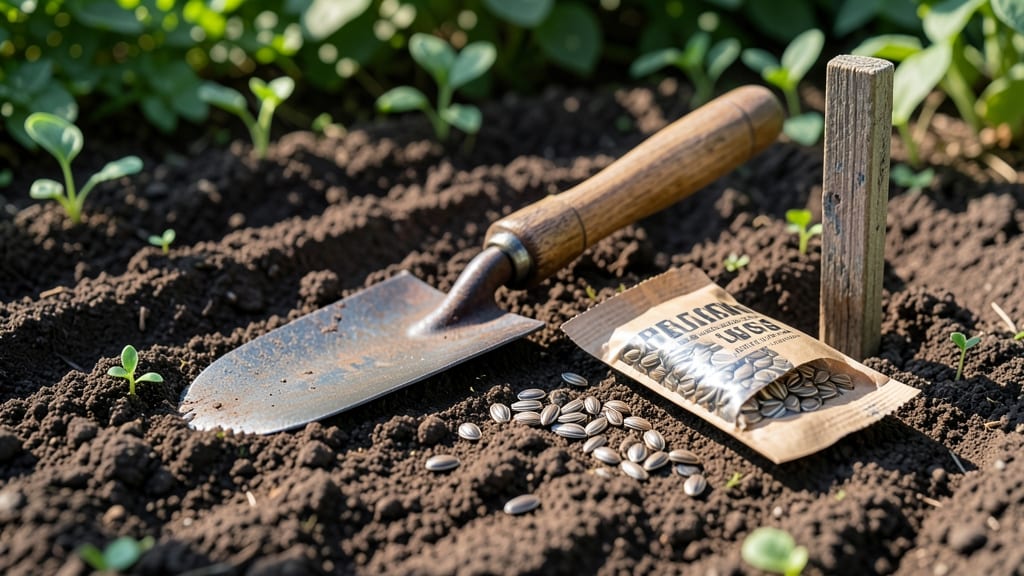
Direct sowing sunflowers at the wrong time can leave you with leggy stems or stunted blooms—so when exactly should you plant them to guarantee those towering 🌻 giants you’ve been dreaming of?
The key is waiting until the soil warms to at least 50°F and the last frost has passed, typically in late spring (April–May in USDA Zone 6a). Planting too early in cool soil risks germination failure, while waiting too long cuts your harvest window short.
I’ll break down the perfect timing for your climate zone, plus actionable tips to adjust for short seasons or unpredictable weather. No more guessing—just a foolproof schedule for sunflowers that thrive from seed to bloom.
Ready to grow sunflowers that reach their full potential? Let’s get those seeds in the ground at the ideal moment for your region.
Ideal soil temperature and frost-free timeline for direct sowing sunflowers
Sunflowers thrive when planted in warm soil and after the last frost date, but getting the timing right can make or break your harvest. The key factors are soil temperature (minimum 50-60°F) and a frost-free window of at least 60-90 days.
These conditions ensure strong germination and robust growth. For example, in my USDA Zone 6a, I wait until mid-May when soil temps consistently hit 55°F.
Cold soil slows germination, leading to weak seedlings that struggle to compete with weeds. I’ve learned the hard way—planting too early in Zone 5 last spring resulted in stunted plants that barely reached 2 feet tall.
The solution? Use a soil thermometer to confirm warmth before sowing. Most sunflower varieties need 1-2 weeks of 60°F+ soil to sprout reliably.
Your frost-free timeline depends on your zone. In USDA Zones 3-5, aim for late May to early June, while Zones 7-11 can start as early as March-April. I always check my local average last frost date (via the National Weather Service) and add 2-3 weeks buffer.
This gives seedlings time to establish before summer heat arrives.
Here’s a quick reference for direct sowing sunflowers by zone and soil conditions:
For container-growing, I adjust my timeline by 2-3 weeks later than in-ground planting. Pots heat up faster, but they also dry out quicker. I use black plastic pots to absorb heat and add a heat mat if my zone’s soil stays cool.
Pro tip: Place containers near a south-facing wall to accelerate soil warming naturally.
Watch for local microclimates that can shift your ideal timeline. For instance, my backyard’s south-facing slope warms up 1-2 weeks earlier than the north side. I test soil temps in both spots before planting. If you’re unsure, opt for early-maturing varieties like ‘Teddy Bear’ (50-60 days) to hedge your bets.
After sowing, maintain consistent soil moisture—sunflower seeds need 1 inch of water weekly during germination. I use a drip irrigation system on a timer to avoid overwatering. Once seedlings emerge, thin to 12-24 inches apart (depending on variety) to prevent competition.
This spacing ensures each plant gets enough sunlight and nutrients for those iconic 6-foot stems.
Remember: Late plantings can still yield flowers, but harvest times may shift to fall. In Zone 9, I’ve sown sunflowers as late as July and still gotten blooms—though they matured in 90 days instead of 120.
The trade-off? Smaller heads but just as cheerful. For maximizing seed production, stick to the early window and enjoy the towering giants by midsummer.
🌻
Best months to plant sunflowers by climate zone (with adjustments for short vs long seasons)
Sunflowers thrive when planted after the last frost, but the exact timing depends on your climate zone and whether you have a short or long growing season.
In cooler regions like USDA Zones 3-5, you’ll want to wait until soil warms to at least 50°F, while warmer zones like Zones 8-11 can start as early as March.
The key is balancing warmth with frost risk—plant too early, and cold soil delays germination; too late, and you’ll miss the summer bloom window.
For short-season gardens (Zones 3-5), focus on early-maturing varieties like 'Teddy Bear' or 'Moulin Rouge' to ensure blooms before frost. In long-season zones (Zones 6-11), you can even try fall plantings for late-season color, though germination may be slower in cooler soils.
Container growers have extra flexibility—they can start seeds indoors 4-6 weeks before the last frost and transplant outdoors.
- 1 Cool Climates (Zones 3-5): Plant late May to early June after soil reaches 55°F+. Use black plastic mulch to warm soil faster.
- 2 Temperate Zones (Zones 6-7): Sow April 15–May 15 for spring blooms or July 1–August 1 for fall color. Dwarf varieties work well for containers.
- 3 Warm Climates (Zones 8-11): Start as early as February–March for summer blooms. Fall plantings (September–October) may germinate slowly but still produce flowers.
- 4 Containers: Plant 2–4 weeks earlier than ground plantings since pots warm faster. Use 5-gallon containers for standard varieties to prevent tipping.
- 5 Adjust for Late Varieties: If growing giant sunflowers (e.g., 'Mammoth'), plant 30–45 days earlier than dwarf types—they need 100+ days to mature.
If you’re in a transition zone (like Zone 6b), split your plantings: sow half in May for early blooms and half in July for late-season color. This extends your cutting garden and attracts pollinators longer.
For container growing, place pots in south-facing spots to maximize warmth—even a 10°F difference can speed up germination from 7 to 14 days.
Pro tip: Use a soil thermometer to confirm readiness—sunflowers need consistent warmth to sprout. In cool springs, cover seeds with row fabric for 1–2 weeks post-planting to boost soil temp.
Avoid planting when night temps drop below 45°F, as this stunts growth. With the right timing, you’ll enjoy bold blooms from midsummer to frost!
For short-season growers, prioritize fast-maturing varieties (e.g., 'Autumn Beauty' at 50 days) and plant as soon as soil is workable, even if frost isn’t fully past. In warm climates, succession plant every 2–3 weeks to stagger blooms and avoid overcrowding.
Whether you’re in Alaska or Arizona, sunflowers adapt—just match your planting window to local frost dates.