
Flowers
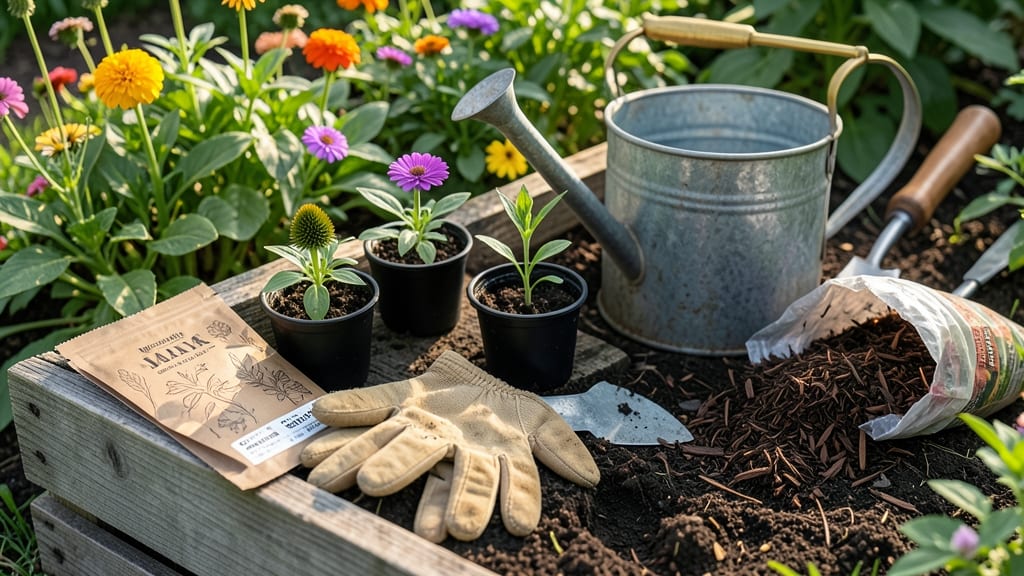
Planting your 🌸 flowers at the wrong time in Kansas can mean the difference between a showstopping garden and a sad, wilted disappointment. The key isn't just guessing when to drop seeds in the dirt—it's understanding how USDA Zones 6-7 dictate your exact deadlines for zero-frost blooms.
Whether you're dreaming of vibrant coneflowers or hardy daylilies, timing matters more than you think. Skip the guesswork and learn the optimal planting windows that align with Kansas' unpredictable weather, from late March to early May for spring blooms and August to September for fall favorites.
I'll break down the science behind frost dates, soil temperatures, and how to adjust for your specific corner of the state—whether you're in Wichita, Kansas City, or a rural patch of Zone 5b. No more wasted effort or money on flowers that never take root.
Ready to transform your garden into a year-round paradise? Let's dive into the exact dates and pro tips that'll have your flowers thriving when everyone else's is struggling.
Kansas flower planting calendar: exact dates by season for zero-frost success
Kansas gardeners face a critical challenge: frost dates that can wipe out tender plants in a single night. The key to success lies in understanding your USDA Zone (6-7) and adjusting planting times to avoid frost damage.
In Wichita (Zone 7a), the average last frost is April 15, while Topeka (Zone 6b) typically sees its last frost around April 1. These dates create tight windows for planting cool-season flowers like pansies and warm-season favorites such as zinnias.
Mastering these deadlines ensures your garden thrives from spring blooms to fall color. Whether you're planting annuals, perennials, or bulbs, timing directly impacts bloom duration and plant health. Let's break down the exact months and strategies for each flower type to maximize your Kansas garden's potential.
For spring planting, focus on cool-season annuals like pansies and snapdragons. These hardy flowers can handle Kansas' unpredictable early spring weather.
Start seeds indoors in late February for a head start, then transplant outdoors after the average last frost date (March 15-April 15). Warm-season flowers such as zinnias and marigolds need to wait until the soil warms to at least 60°F, typically mid-April to May.
When planting perennials, aim for early spring after frost danger has passed. Kansas natives like coneflowers and black-eyed Susans thrive with minimal care once established. These plants reward patience with long-lasting blooms and drought resistance, perfect for Kansas' variable rainfall.
Always mulch heavily after planting to protect roots from temperature swings.
Don't overlook fall planting—it's your secret weapon for early spring color. Plant spring-blooming bulbs like tulips and daffodils between September 15 and November 1. These bulbs need cold stratification to bloom properly, making fall the ideal time.
For fall annuals, choose heat-tolerant varieties like cosmos and calendula. Plant these 8-10 weeks before first frost (typically August 1-September 15) to enjoy blooms through autumn.
Kansas City's slightly later frost dates (Zone 7a) give gardeners a 2-week advantage over northern areas like Topeka. Use this to your advantage by starting warm-season flowers earlier or extending fall planting into early October.
Always check local frost clocks or K-State Extension resources for real-time updates, as microclimates can shift planting windows by 1-2 weeks.
Pro tip: Create a planting journal to track your local frost dates and adjust future schedules. Note when your zinnias bloom earliest or when pansies survive late frosts. Over time, you'll develop a customized calendar that outperforms average frost dates. This local knowledge becomes your most valuable gardening tool.
For container gardening, extend planting seasons by using heat mats in early spring or row covers in fall. Containers warm up faster in spring, allowing you to plant warm-season flowers like petunias 2-3 weeks earlier than in-ground plantings.
Similarly, protect fall containers with frost blankets to enjoy blooms until November.
Remember: Soil temperature matters more than air temperature. Use a soil thermometer to confirm when to plant warm-season flowers. The soil should stay above 55°F for 5+ days before planting tomatoes, peppers, or heat-loving annuals.
This simple tool prevents costly mistakes when Kansas' weather swings between freezing nights and 90°F days.
By following these Kansas-specific deadlines, you'll transform your garden into a year-round bloom machine. Start with
How to adjust planting times for Kansas’ unpredictable weather patterns
Kansas’ weather can throw a curveball—one week you’re scrambling to cover tender seedlings from a late frost, and the next, your soil is too hot to plant anything. The key to success? Flexible planting strategies that account for microclimates, soil temperatures, and unpredictable frost dates.
I’ve learned to use tools like frost clocks and soil thermometers to fine-tune timing, and I’ll show you how to do the same.
Start by checking your local last frost date, which can vary by 10–14 days across Kansas. For example, Wichita’s average last frost is April 1, while Kansas City’s is April 15.
But don’t rely solely on averages—use a frost clock (like the one from the K-State Extension) to track real-time data. This simple tool can save your pansies or petunias from a sudden freeze.
Use a soil thermometer to ensure temperatures are consistently 50–60°F before planting cool-season flowers like calendulas or snapdragons. Warm-season flowers (e.g., marigolds) need soil at 60–70°F.
South-facing slopes warm up faster, while low-lying areas hold frost longer. Plant heat-loving flowers (e.g., zinnias) in raised beds or near south-facing walls. Use windbreaks (like evergreen shrubs) to protect delicate annuals from late-season winds.
Apply 2–3 inches of mulch around perennials to insulate roots during late frosts. For early spring or fall planting, use cold frames or row covers to create a 5–10°F warmer microclimate. This lets you plant cosmos or sunflowers up to 2 weeks earlier.
For a 3-step risk assessment, start by noting your garden’s specific frost history—ask neighbors or check local records. Next, test your soil’s moisture retention; dry soil heats up faster and can stress seedlings.
Finally, stagger plantings by 10–14 days to ensure continuous blooms, even if one batch suffers from weather delays. This way, your cone flowers and black-eyed Susans will keep performing without gaps.
Don’t let Kansas’ weather derail your garden dreams. With these adjustments, you’ll turn unpredictable patterns into predictable success. Start small—test one bed with raised beds or row covers—and watch your bloom season stretch from May to October without a hitch. Happy planting! 🌱