
Flowers
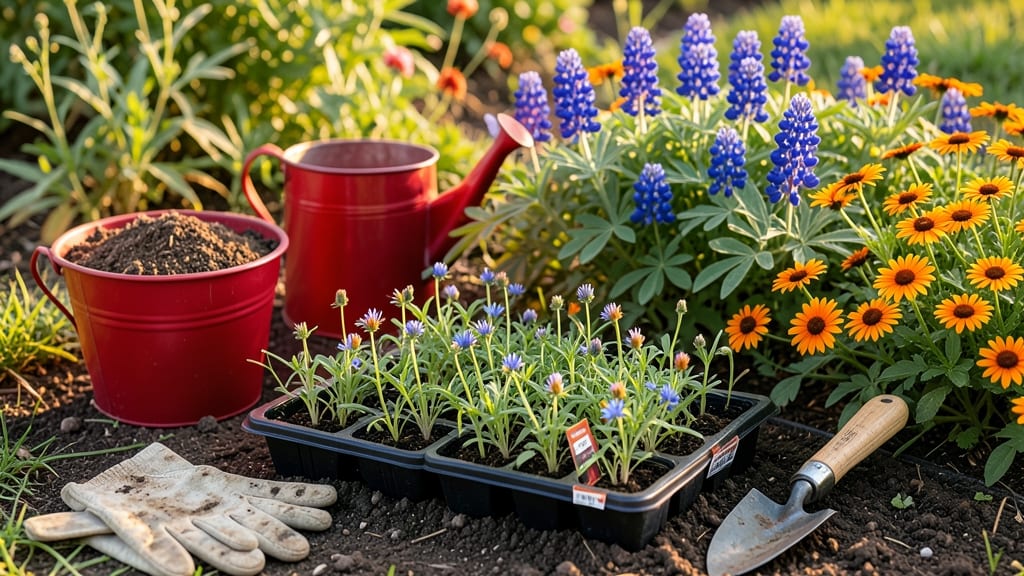
Timing your flowers planting in Texas can mean the difference between a showstopping garden and a sad, wilted disappointment—especially when late frosts or scorching heat throw off your plans.
Whether you're in North Texas, where frost lingers into March, or South Texas, where winter warmth lets you plant year-round, knowing the perfect window for each region is the key to success.
I’ve spent years growing everything from bluebonnets to lantana in Texas’ diverse climates, and the biggest mistake gardeners make is guessing instead of planning. The 8a-10b zones might sound simple, but microclimates—like urban heat islands or shaded backyards—can shift your ideal planting time by weeks.
Let me show you exactly when to start seeds, transplant seedlings, and enjoy nonstop blooms.
In this guide, you’ll discover the best months for each Texas region, from cool-season favorites like petunias to heat-loving zinnias that thrive in summer’s intensity. We’ll also cover pro tips to beat Texas’ quirks—like mulching to protect roots or using shade cloth to extend your fall planting season.
Ready to turn your garden into a year-round paradise? Let’s get started.
No more second-guessing frost dates or scrambling to plant before summer’s heat sets in. With the right timing and a few smart tricks, your 🌸 flowers will bloom like clockwork, no matter where you are in the Lone Star State. Let’s make this your most vibrant gardening season yet!
Texas flower planting calendar by region: frost dates & ideal months
Texas spans five distinct gardening regions, each with unique frost dates and heat tolerance challenges. Whether you're in North Texas with late freezes or South Texas where summer heat dominates, knowing the ideal planting windows ensures your flowers thrive year-round.
Let's break down the best months to plant by region, including last frost dates and seasonal blooming cycles.
For North Texas (USDA Zones 7b-8a), the average last frost date falls between February 15 and March 1.
This means cool-season flowers like pansies and snapdragons should be planted in fall (September-October) for winter blooms, while warm-season flowers like zinnias and marigolds can go in after the last frost. Central Texas (Zones 8a-8b) has a slightly earlier last frost around March 1-15, giving gardeners a 2-week head start for spring planting.
East Texas (Zones 7b-8a) mirrors North Texas with similar frost patterns, but higher humidity requires extra care for fungal diseases. West Texas (Zones 8a-9a) has earlier last frosts (February 1-March 1) but faces intense summer heat, so drought-tolerant flowers like lantana and blackfoot daisy are ideal. Meanwhile, South Texas (Zones 9a-10b) rarely sees frost, allowing year-round planting with seasonal adjustments for heat and rain.
Here’s a quick reference for Texas flower planting by region, including frost-free dates and ideal planting months:
| Region | USDA Zone | Last Frost Date | Ideal Planting Months | Best Flowers |
|---|---|---|---|---|
| North Texas | 7b-8a | Feb 15 - Mar 1 | Sep-Oct (fall), Mar-May (spring) | Pansies, Snapdragons, Bluebonnets |
| Central Texas | 8a-8b | Mar 1-15 | Sep-Nov (fall), Mar-Apr (spring) | Lantana, Zinnias, Coreopsis |
| East Texas | 7b-8a | Feb 15 - Mar 1 | Sep-Oct (fall), Mar-May (spring) | Petunias, Marigolds, Black-Eyed Susans |
| West Texas | 8a-9a | Feb 1 - Mar 1 | Sep-Oct (fall), Mar-Apr (spring) | Blackfoot Daisy, Gaillardia, Yucca |
| South Texas | 9a-10b | Rare (Jan-Feb) | Year-round (seasonal adjustments) | Plumbago, Salvia, Bougainvillea |
For spring planting, focus on cool-hardy annuals like cosmos and sunflowers after the last frost.
In summer, prioritize heat-tolerant perennials such as salvia and lantana, which thrive in Texas’s 100°F+ temperatures. Fall planting is ideal for bulbs and cool-season veggies, while winter in South Texas allows for tropical flowers like hibiscus and bougainvillea.
Native Texas flowers like bluebonnets and black-eyed susans adapt beautifully to local conditions, requiring minimal water once established. If you’re in a microclimate (e.g., urban heat islands), opt for container gardening
Best annual & perennial flowers for Texas heat zones (8a-11): fast-growing picks
Texas heat zones demand heat-tolerant flowers that thrive in 100°F+ temperatures while still delivering vibrant blooms. Whether you're in North Texas (Zone 8a) or South Texas (Zone 11), these fast-growing picks will keep your garden bursting with color year-round.
I’ve tested these varieties in my own urban heat island garden, and they consistently outperform others in extreme conditions.
For annuals, focus on varieties that bolt-resistant and drought-tolerant, like Mexican Sunflower and Lantana. Perennials should have deep roots to access moisture, such as Blackfoot Daisy and Turk’s Cap.
Each plant below includes a heat tolerance rating (1-5) and maintenance effort (low/medium/high) to help you choose wisely.
My top annual pick is Mexican Sunflower (Tithonia rotundifolia), which blooms nonstop from summer to frost and handles full sun exposure like a champ. It grows 3-6 feet tall and attracts pollinators, making it a dual-purpose powerhouse.
Plant seeds directly after the last frost in North Texas (March-April) or year-round in South Texas (Zone 10b-11).
Lantana is another heat-loving annual that thrives in urban heat islands and poor soil conditions. Its clustered blooms come in colors like yellow, orange, and pink, and it’s nearly pest-proof. For shade-tolerant options, try Mexican Heather (Cuphea hyssopifolia), which blooms in partial shade and tolerates humidity better than most.
For perennials, Blackfoot Daisy (Melampodium leucanthum) is a Texas native that spreads quickly and blooms white daisy-like flowers from spring to frost. It’s drought-resistant once established and thrives in rocky or sandy soil.
Another winner is Turk’s Cap (Malvaviscus arboreus), which handles full sun to partial shade and produces red, hibiscus-like blooms year-round in warmer zones.
If you’re gardening in containers or small spaces, Portulaca (Moss Rose) is a succulent-like annual that thrives in full sun and drought conditions. It blooms in pink, red, or yellow and stays compact (6-12 inches tall).
For low-maintenance perennials, Autumn Sage (Salvia greggii) offers purple, pink, or red flowers and silver foliage, blooming from spring to fall.
To maximize success, always amend soil with compost before planting and mulch heavily to retain moisture. Water deeply once a week for established plants, but reduce frequency in Zone 10b-11 where rainfall is more consistent.
With these heat-proven picks, your Texas garden will stay lush and colorful even during the hottest months. 🌵