
Flowers
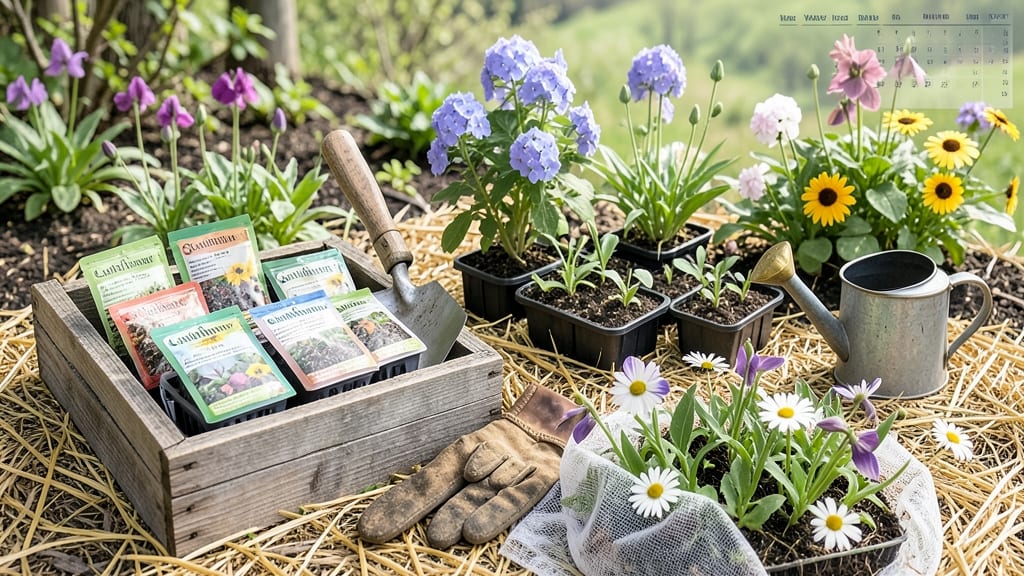
Planting flowers in Vermont’s Zone 4B requires precision—get the timing wrong, and your vibrant blooms could turn into frost-killed casualties. The last frost date (usually mid-May) isn’t just a guideline; it’s the dividing line between success and disappointment for your 🌸 garden.
I’ve learned the hard way that Vermont’s short growing season demands strategy. Whether you’re tucking in hardy perennials or delicate annuals, knowing when to plant isn’t just about dates—it’s about reading the soil, the sky, and even your local microclimate.
Champlain Valley’s milder pockets behave differently than the Green Mountains’ chillier air.
In this guide, I’ll break down the exact windows for spring and fall planting, plus which flowers thrive when you bend the rules. No more guessing—just data-backed timing to turn your Vermont garden into a year-round showstopper.
Ready to skip the trial-and-error? Let’s dive into the foolproof schedule that’s worked for me—and hundreds of other Vermont gardeners—season after season.
Vermont’s ideal flower planting windows by season (Zone 4B guide)
Vermont’s Zone 4B climate demands precise timing for flower planting—miss the window, and frost will kill tender blooms before they bloom. The last average frost date in most of Vermont is May 15, but soil temperatures must also reach 50°F for safe planting.
Understanding these seasonal windows ensures your garden thrives from spring to fall.
Spring planting starts as early as late April for cold-hardy perennials like peony and iris, but most annuals and tender perennials wait until after May 15. Fall planting begins in August for biennials and bulbs, with a cutoff around early September to allow roots to establish before winter.
Let’s break down the exact timing for each flower type.
| Plant Type | Ideal Planting Window | Soil Temp Requirement | Notes |
|---|---|---|---|
| Cold-Hardy Perennials | Late April - Early May | 40°F+ | Plant early to establish roots before summer heat |
| Annuals (e.g., marigolds, petunias) | After May 15 (last frost) | 50°F+ | Use row covers for early starts if frost threatens |
| Tender Perennials (e.g., lavender, salvia) | Late May - Early June | 55°F+ | Wait until soil is consistently warm |
| Bulbs (e.g., tulips, daffodils) | Fall: August - Early September | 60°F+ | Plant 6-8 weeks before first frost for root growth |
| Biennials (e.g., foxglove, hollyhock) | Late summer (August) | 55°F+ | Establish roots before winter dormancy |
For spring planting, focus on annuals and tender perennials after the last frost.
Start seeds indoors in March for early blooms, then transplant outdoors once soil warms. Cold-hardy perennials like coneflowers and black-eyed Susans can go in as early as late April, but avoid planting until soil temperatures rise above 40°F to prevent root rot.
Fall planting is all about bulbs and biennials. Plant tulips and daffodils in August or early September so they develop roots before winter. Biennials like foxglove also thrive when planted in late summer, giving them time to establish before dormancy.
Always aim to finish fall planting 6-8 weeks before the first frost, typically by early September in Vermont.
Soil temperature is just as critical as air temperature. Use a soil thermometer to confirm readiness—50°F is the minimum for most annuals, while bulbs need 60°F+.
If your soil is still chilly, wait a few more days or use black plastic mulch to warm it faster. Cold frames or row covers can also extend your planting season by 2-3 weeks in spring or fall.
Vermont’s microclimates add another layer of complexity. Gardens near Lake Champlain or in valleys may experience later frosts, while higher elevations in the Green Mountains can have earlier frost dates. Adjust your planting timeline by 1-2 weeks based on your specific location—check local Cooperative Extension Service reports for updates.
Don’t forget to prep your soil before planting. Vermont’s clay-heavy soils benefit from compost or aged manure to improve drainage. For container gardening, use a well-draining potting mix and plant after Memorial Day to avoid overnight frosts. Mulch heavily in fall to protect roots from freezing temperatures.
If you’re unsure about your last frost date, err on the side of caution. Hardy annuals like pansies and snapdragons can handle light frosts, while tender varieties like geraniums need to wait until June 1 or later.
Always monitor weather forecasts and have row covers ready for unexpected late frosts.
With these seasonal guidelines, your Vermont garden will burst with color from early summer to fall. Start with cold-hardy perennials in spring, then transition to annuals and bulbs in fall for year-round interest. Happy planting—your garden will thank you!
How to adjust planting dates for Vermont’s microclimates
Vermont’s Zone 4B climate creates dramatic microclimates—think sheltered valleys with 10°F warmer soil than exposed mountaintops. These differences can shift your planting windows by 2-4 weeks.
For example, Burlington’s Champlain Valley often warms faster than Stowe’s Green Mountains, letting you plant marigolds 2 weeks earlier in sheltered spots.
Urban gardens in Burlington or Montpelier benefit from heat-absorbing buildings and reflective surfaces, creating microclimates that mimic Zone 5 conditions. Meanwhile, rural areas with open fields may still face late spring frosts after Memorial Day.
Always check your specific last frost date—it can vary by 1-2 weeks even within the same town.
Here’s how to adjust your planting timeline based on Vermont’s most common microclimates:
- Warmer soil 2-3 weeks earlier
- Longer frost-free season (up to 4 weeks)
- Can plant tender annuals like impatiens
- Higher pest pressure (aphids, slugs)
- Requires more frequent watering
- May need shade cloth in peak summer
- Lower pest/disease risk
- Natural wind protection for tall flowers
- Better for cold-hardy perennials like asters
- Soil stays cold longer (plant 3 weeks later)
- Shorter growing season (10-15 fewer frost-free days)
- Limited plant variety options
For urban gardens, concrete and buildings create heat islands that can push your last frost date back by 1-2 weeks. Test your soil temperature with a soil thermometer—aim for 50°F before planting warm-season flowers like zinnias or cosmos.
In rural areas, wait until after May 20th for tender annuals, even if your neighbor in town starts earlier.
Cold frames and row covers are game-changers for Vermont gardeners. A simple hoop house can let you plant marigolds or snapdragons 3 weeks earlier in spring or keep pansies blooming until November.
Just remember: ventilate on warm days to prevent overheating (above 85°F can damage plants). For fall planting, use frost blankets to protect overwintering perennials like chrysanthemums.
Pro tip: Group your microclimate adjustments by flower type. Cold-hardy perennials (e.g., coneflowers, black-eyed Susans) can handle exposed areas, while tender annuals (e.g., petunias, geraniums) need sheltered spots. Always mulch heavily in fall (4-6 inches) to insulate roots during Vermont’s early frosts.
Start with a simple garden map marking sun exposure, wind patterns, and nearby structures. This visual guide will help you strategically place heat-loving flowers (like sunflowers) in warm microclimates and cold-tolerant varieties (like pansies) in cooler spots.
With these adjustments, you’ll maximize your Vermont flower garden’s potential—no matter where you live in the Green Mountain State! 🌸