
Flowers
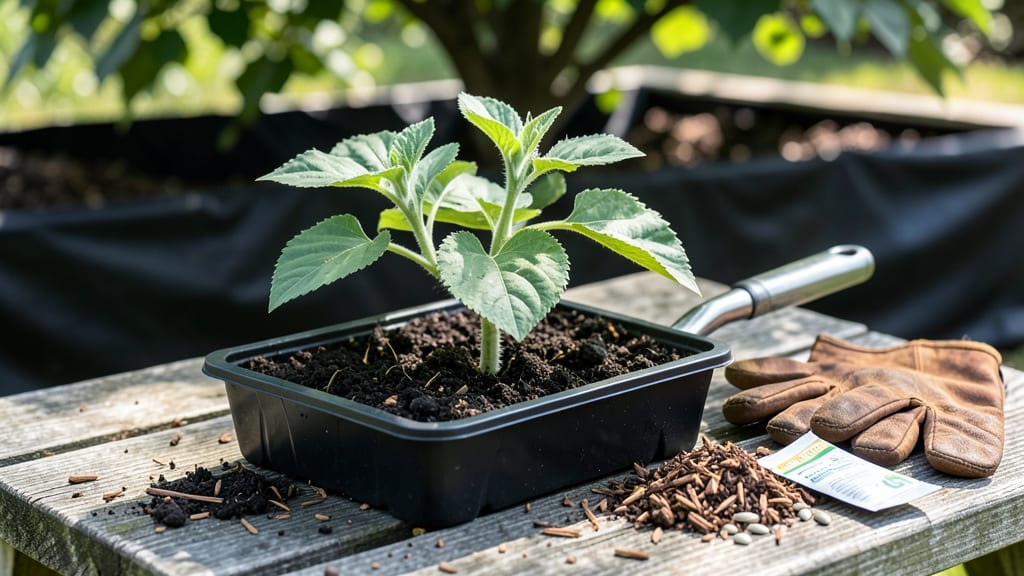
Planting sunflowers in Michigan isn’t just about dropping seeds in the dirt—it’s about catching that narrow frost-free window between late April and mid-May, when the soil warms enough for those 🌻 seeds to sprout without freezing overnight.
Get it wrong, and you’ll either wait too long for blooms or risk losing tender seedlings to a surprise frost.
I’ve learned the hard way that Michigan’s USDA Zones 5b and 6a demand precision: too early, and frost zaps your seedlings; too late, and summer’s short growing season won’t give your sunflowers time to reach their towering potential.
The key is knowing your last frost date—typically mid-April to early May—and waiting until the soil hits at least 50°F.
Here’s the good news: sunflowers are forgiving once they’re in the ground. You don’t need to start them indoors (though you can if you’re eager), and direct sowing after the last frost gives them the head start they need.
With the right timing, you’ll be harvesting 6-foot-tall stems by July, ready to brighten your garden or table.
Let’s break down exactly when to plant in your specific corner of Michigan—plus tips to stretch that growing season for even bigger blooms. Ready to turn your yard into a sunflower haven?
Michigan sunflower planting deadlines: frost-free dates by Zone 5b/6a
Sunflowers thrive in Michigan’s USDA Zones 5b and 6a, but their 100-day growing season demands precision timing. In Zone 5b (northern Michigan), last frost typically arrives between May 10-20, while Zone 6a (southern Michigan) sees frost-free conditions by April 25-May 10.
Planting too early risks frost damage, while late sowing may delay blooms until fall’s first frost.
For direct sowing—the preferred method—wait until soil temperatures reach 55°F (13°C) at 2 inches deep. Use a soil thermometer to confirm; cold soil slows germination and stunts growth.
In Zone 5b, this usually aligns with late May, while Zone 6a gardeners can start as early as mid-April under row covers.
| Zone | Last Frost Date | Optimal Planting Window | Soil Temp Threshold | Days to Maturity |
|---|---|---|---|---|
| 5b (Northern MI) | May 10–20 | Late May–Early June | 55°F (13°C) | 60–90 days |
| 6a (Southern MI) | April 25–May 10 | Mid-April–Late May | 55°F (13°C) | 60–120 days |
Note: Use row covers to extend Zone 5b planting by 2–3 weeks.
Transplanting sunflower starts is not recommended due to their sensitive taproots. If you must start indoors, do so 4–6 weeks before your last frost date using biodegradable pots to minimize root disturbance.
Harden off seedlings for 7–10 days before transplanting, but direct sowing in warm soil yields stronger, hardier plants.
For succession planting, sow a second batch 3–4 weeks after the first planting to stagger blooms through early fall. Choose fast-maturing varieties like ‘Autumn Beauty’ (55 days) or ‘Teddy Bear’ (60 days) for Zone 5b, where the growing season is shorter.
In Zone 6a, taller varieties like ‘Russian Giant’ (120 days) can thrive with early planting.
Watch for false springs—late frosts in May can still occur, especially in Zone 5b. Use frost cloth or plant near windbreaks (like fences or hedges) to protect young seedlings.
Avoid planting in low-lying areas, where cold air pools and lingers longer. Elevate soil with raised beds or mounds for better warmth retention.
After planting, maintain consistent moisture—sunflowers need 1–2 inches of water weekly during germination and early growth. Once established, they’re drought-tolerant, but deep watering prevents bolting (premature flowering). Mulch with straw or grass clippings to retain soil moisture and suppress weeds, which compete for nutrients.
In Zone 6a, you can push the envelope by planting early varieties in mid-March under grow lights or a heated mat. Transplant outdoors after last frost, but prioritize soil warmth over eagerness—cold soil delays growth by 2–3 weeks.
For Zone 5b, focus on late May plantings and choose short-season varieties to ensure blooms before fall frost.
Track your local frost dates using the Michigan State University Extension’s frost calendar or Almanac’s Frost/Freeze Tool. Adjust planting dates if your area falls outside these averages—western Michigan tends to warm earlier than northern Lower Peninsula.
With precise timing, you’ll enjoy sunflowers reaching maturity just as summer peaks, providing cut flowers, seeds, and bird feed before frost.
Pro tip: Mark your planting dates on a garden calendar and set reminders for succession sowing. Sunflowers reward patience—those planted in early June may still bloom by late September, especially in Zone 6a. Just be prepared to harvest seeds before hard frost to avoid mold and spoilage.
How to extend Michigan’s sunflower growing season for larger blooms
Michigan’s short growing season can be tricky for sunflowers, but with the right strategies, you can coax those giant blooms and hefty seeds before frost. The key is combining succession planting, cold-hardy varieties, and smart soil prep to maximize every warm day.
I’ve grown sunflowers in Zone 5b for years, and these techniques have helped me push maturity by 2-3 weeks—enough to make a real difference!
First, focus on soil preparation. Sunflowers thrive in well-draining soil with a pH between 6.0 and 7.5. Before planting, mix in compost or aged manure to boost nutrients and improve drainage.
I always test my soil in early spring—if it’s heavy clay, add sand or perlite to prevent waterlogging, which can stunt growth. Healthy soil means faster germination and stronger stems to support those towering blooms.
-
1.Succession Planting: Stagger plantings every 10-14 days from late April to mid-July to ensure continuous blooms. Early plantings (May) focus on tall varieties (e.g., 'Mammoth'), while late plantings (July) should use fast-maturing types (e.g., 'Autumn Beauty').
-
2.Cold-Hardy Varieties: Choose early-maturing hybrids like 'ProCut' (55 days) or 'Russian Giant' (80-100 days). These tolerate cooler soils and still reach 6+ feet tall. Avoid tropical varieties that need 120+ days to mature.
-
3. Companion Planting: Pair sunflowers with bush beans or radishes to improve soil nitrogen. Avoid planting near potatoes or tomatoes, which compete for nutrients. I also interplant marigolds to deter pests like sunflower moths.4. Extend the Season: Use row covers in early spring to warm soil faster. In fall, mulch heavily with straw to protect roots from early frosts (target 28°F tolerance). I’ve kept plants blooming until mid-October using this method!
Don’t overlook the power of companion planting. Sunflowers make excellent living trellises for climbing plants like pole beans or cucumbers, but they also benefit from being planted near herbs like dill or fennel.
These herbs attract beneficial insects that pollinate sunflowers and keep pests at bay. I once saw a 12-foot 'Russian Giant' with double the usual seeds thanks to a nearby patch of dill!
Watering plays a critical role in extending your sunflower’s season. While they’re drought-tolerant once established, consistent moisture during stem elongation (6-8 weeks after planting) is key. I water deeply twice a week in the morning to encourage strong root growth.
Avoid overhead watering in the evening—this invites fungal diseases like powdery mildew, which can weaken plants as fall approaches.
Finally, monitor your plants for fall frost warnings. If a light frost (28-32°F) is forecast, cover young plants with frost cloth or even old blankets secured with bricks. For mature plants, focus on harvesting seeds before the first hard frost (24°F).
I’ve saved seeds from plants that survived until October 15th by cutting the heads and hanging them in a dry, dark place to finish maturing indoors.
With these strategies, you’ll transform Michigan’s short season into a sunflower powerhouse. Start with early varieties, protect your soil, and let companion plants work their magic. Soon, you’ll be the neighbor with the tallest, most prolific sunflowers—and maybe even a few extra seeds to share! 🌻