
Flowers
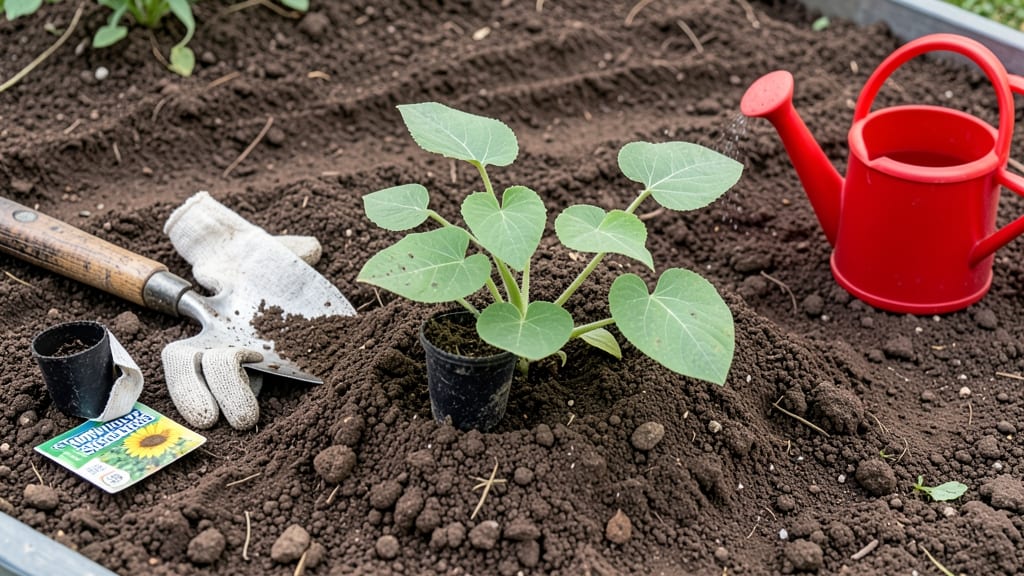
Planting sunflowers in North Carolina at the wrong time can turn your bright garden dreams into droopy disappointment—especially when unpredictable spring frosts strike after mid-April.
The key to success lies in knowing exactly when to start seeds indoors or direct-sow outdoors, based on your USDA zone (6b-8a) and local microclimates.
For most of North Carolina, the ideal window runs from mid-April to early June, but timing shifts dramatically between the mountains and coast.
I’ll break down exactly when to plant for your specific zone, plus how to adjust for early vs. late varieties that thrive in NC’s 180-220 frost-free days.
You’ll also discover how soil temperature (wait until it hits 55°F), day length, and even sunflower height (from dwarf 1-foot varieties to towering 14-foot giants) can change your planting deadline by weeks.
Whether you’re a first-time gardener or a seasoned grower, these zone-specific tips will help you avoid common mistakes—like planting too early and risking frost damage—and ensure your 🌻 sunflowers bloom tall and proud from August through October.
North Carolina sunflower planting dates by USDA Zone (2024 guide)
Sunflowers thrive in North Carolina's USDA Zones 7a-8b, but getting the timing right means the difference between towering blooms and sad, stunted stalks. The last frost date varies dramatically across the state—from mid-April in the mountains to late March on the coast—so knowing your exact zone is critical.
Whether you're sowing seeds or transplanting starts, this guide gives you the precise frost-free deadlines for each zone, plus how to adjust for early vs. late varieties.
Most sunflower varieties need 60-120 days to mature, so planting too early risks frost damage while waiting too long can mean blooms arrive after summer's peak. I'll show you how to calculate your local planting window using both average frost dates and soil temperature thresholds (55°F+ for seeds).
For example, in Zone 7b, you've got a 3-week window between mid-April and early May, while Zone 8a gardeners can start as early as late March.
| USDA Zone | Avg Last Frost | Seed Planting Window | Transplant Window | Late Variety Deadline | Notes |
|---|---|---|---|---|---|
| 7a (Mountains) | May 1-15 | May 1-31 | April 15-May 15 | June 15 | Short season; choose early varieties (50-60 days) |
| 7b (Piedmont) | April 15-30 | April 20-May 15 | April 1-May 10 | June 10 | Ideal for standard varieties (60-90 days) |
| 8a (Coastal) | March 15-31 | March 25-April 30 | March 10-April 15 | May 31 | Long season; can plant late varieties (90-120 days) |
| 8b (Southeast) | March 1-15 | March 10-April 15 | February 28-March 15 | June 15 | Hot summers; use heat-tolerant varieties |
For Zone 7a gardeners in the mountains, patience is key—wait until after May 1 to plant seeds, as late frosts can linger until then. I recommend early varieties like 'Teddy Bear' (50 days) or 'Moulin Rouge' (60 days) to ensure blooms before fall frosts arrive in October.
In Zone 8b, you can push the envelope with late varieties like 'Russian Giant' (120 days), but start seeds indoors in late February for transplants.
Transplants give you a 2-week head start over direct seeding, which is why I always recommend buying 6-inch starts from local nurseries if your zone has a short growing season. For example, in Zone 7b, transplanting by May 1 ensures mature plants before summer heat peaks.
Pro tip: Harden off transplants for 5-7 days before planting to avoid transplant shock.
Don't forget about succession planting—especially in Zones 8a-8b where you can squeeze in two sunflower crops. Start your first batch in March and follow with a second planting in June for fall blooms.
Just be mindful of daylength requirements: sunflowers need 12+ hours of daylight to trigger flowering, so late June plantings may not bloom until late summer.
If you're unsure about your exact last frost date, use the NC State Climate Office frost predictor or check with your local Cooperative Extension Service. They track real-time data that can shift your planting window by 1-2 weeks compared to averages.
For example, Asheville (Zone 7a) might see its last frost on May 10, while Raleigh (Zone 7b) averages April 20—a 3-week difference that matters for sunflowers.
One common mistake I see is planting sunflowers too early in hopes of a longer season. But cold soil (below 50°F) delays germination by weeks. Always wait until soil reaches 55°F+—use a soil thermometer to check!
In Zone 8b, heat can also be an issue: if daytime temps exceed 90°F during flowering, buds may drop. Choose
5 Critical factors that change your sunflower planting timeline
North Carolina’s diverse climate—from the cool mountain valleys of the Appalachians to the humid coastal plains—means your ideal sunflower planting window can shift by 4-6 weeks depending on where you live. Even within the same USDA zone, microclimates create big differences in soil warming and daylight exposure.
Let’s break down the 5 key factors that determine when you should plant sunflowers in your NC garden.
First, soil temperature is non-negotiable. Sunflower seeds won’t germinate until the soil reaches a consistent 50°F or warmer. In the mountains (Zone 6b-7a), this might not happen until late May, while coastal areas (Zone 8a-8b) can hit that mark by mid-April.
Use a soil thermometer to check—don’t guess! Planting too early in cold soil leads to rotten seeds and wasted effort.
Here’s how these factors interact to shift your planting timeline:
Mountains: Late May | Coast: Mid-April
Longer days speed growth; plant earlier in June for fall blooms
Dwarfs (e.g., 'Teddy Bear') tolerate cooler soils; giants (e.g., 'Mammoth') need warmer temps
Coastal areas: Plant 3-4 weeks earlier than Piedmont; mountains: Wait until after last frost
Short seasons (Zone 7a): Plant early varieties by May 1; long seasons (Zone 8b): Can plant until June 15
Next, consider your sunflower variety. Dwarf varieties like ‘Teddy Bear’ or ‘Moulin Rouge’ are more forgiving—they tolerate cooler soils and shorter growing seasons.
These can go in the ground as early as late April in Zone 8a, while giant varieties like ‘Mammoth’ or ‘Russian Giant’ need warmer soil (60°F+) and longer daylight hours, pushing their ideal planting window to mid-May or later.
Day length also plays a surprising role. Sunflowers need 14+ hours of daylight to trigger flowering. In NC, this typically happens by late June, but if you’re aiming for fall blooms, plant a second batch in early July.
The trade-off? Shorter days mean slower growth—so choose fast-maturing varieties (50-60 days to bloom) for late plantings.
Finally, adapt for your local microclimate. A garden in Asheville (Zone 7a) might have 200 frost-free days, while Wilmington (Zone 8b) enjoys 240+ days.
Use this rule: Coastal areas can plant 3-4 weeks earlier than inland Piedmont, and mountain valleys should wait until after the last frost (often June 1). Check your local Cooperative Extension Service for precise frost dates.
Pro tip: For short-season gardens (Zones 6b-7a), prioritize early-maturing varieties (like ‘Autumn Beauty’) and use black plastic mulch to warm the soil faster. In longer seasons (Zone 8b), you can even try a fall planting for late-season color—just use heat-tolerant varieties and plant by July 15 at the latest.