
Plants
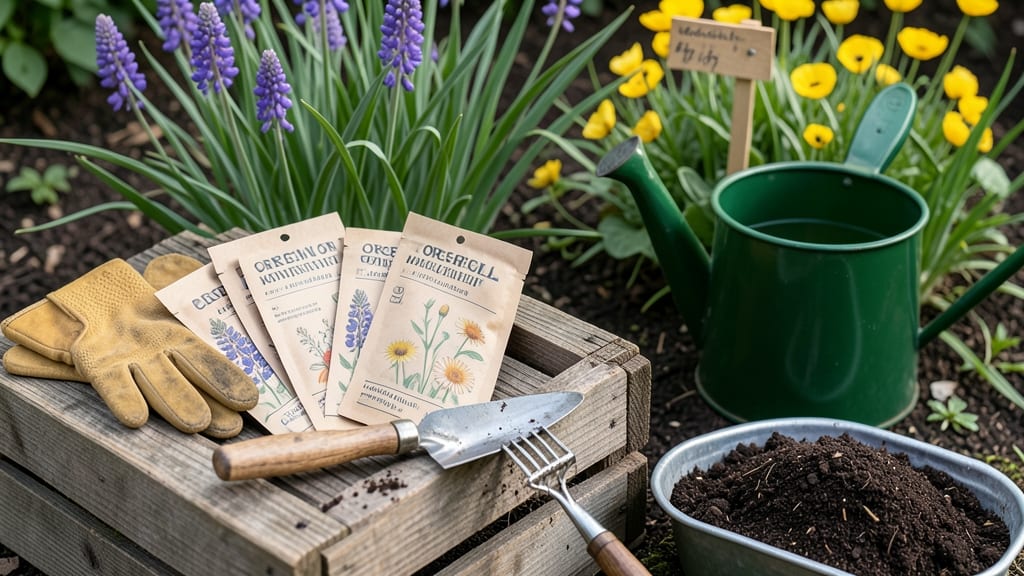
Planting wildflower seeds in Oregon at the wrong time can leave you staring at bare soil instead of a vibrant meadow bursting with color.
The key to success lies in understanding your local microclimate—whether you're battling coastal dampness or high-desert dryness—because timing makes all the difference for these resilient 🌼 beauties.
Most gardeners in Oregon's 7b-9a zones swear by fall planting (September-October), when cooler temperatures and winter rains give seeds the perfect chance to establish roots before spring blooms. But if you're in the Willamette Valley, spring planting (February-April) can work just as well, giving you flexibility depending on your schedule.
I've learned the hard way that Oregon's unpredictable weather demands preparation—whether it's adjusting for late frosts in Zone 7b or handling early rains in coastal areas. The good news? With the right techniques, you can create a thriving wildflower display that attracts pollinators and brings joy from spring through summer.
Let me show you exactly how to match your planting window to your microclimate, from soil prep to seed selection, so you can enjoy that first wave of blooms without the guesswork. Your future meadow starts with these simple but powerful steps.
Oregon’s wildflower planting calendar by microclimate: coastal vs. valley vs. high desert
Oregon’s dramatic climate shifts—from misty coastal shores to sunbaked high desert—create wildly different planting windows for wildflowers. Timing is everything because a single frost can wipe out tender seedlings, while delayed rains may dry out seeds before germination.
Each microclimate has its own rhythm, and understanding these patterns will help you maximize blooms from your wildflower meadow.
The coastal region (e.g., Astoria, Cannon Beach) enjoys milder winters and cooler summers, while the Willamette Valley (e.g., Portland, Eugene) balances warmth and moisture. Meanwhile, the high desert (e.g., Bend, Burns) faces extreme temperature swings and low humidity, demanding precise timing.
Let’s break down the optimal planting months for each zone to ensure your wildflowers thrive.
| Microclimate | Best Planting Window | Last Frost Date | First Frost Date | Key Wildflowers |
|---|---|---|---|---|
| Coastal | Late August–September | Mid-March | Mid-November | Lupine, Yarrow, Checker Mallow |
| Willamette Valley | September–October | Early April | Late October | Columbia Larkspur, Blue Flax, Paintbrush |
| High Desert | Early September–Mid-October | Mid-May | Early November | Blanket Flower, Penstemon, Goldenrod |
For the coastal region, aim to plant wildflower seeds in late August to take advantage of fall rains that trigger germination.
Coastal areas like Cannon Beach rarely see hard frosts before November 15, giving seeds time to establish roots before winter. Lupines and yarrow thrive here, thanks to the moderate temperatures and high humidity that keep soil moist.
The Willamette Valley offers the most predictable planting window—September to October—when daytime highs hover around 70°F and nights cool down. This zone’s rich, loamy soil is perfect for Columbia larkspur and blue flax, which bloom prolifically in spring and early summer.
Plant too early, and you risk fungal diseases from persistent dampness; too late, and frost may kill seedlings.
In the high desert, where temperature swings of 50°F+ in a single day are common, plant in early September to avoid the scorching summer heat. High-desert wildflowers like blanket flower and penstemon are drought-tolerant but need moist soil during germination.
Water deeply after planting to prevent seed desiccation, and avoid disturbing the soil until sprouts appear.
All three regions benefit from fall planting because cooler temperatures reduce seedling stress, and winter rains naturally water the soil.
However, if you miss the fall window, spring planting (after last frost) is your next best option—just be prepared to water consistently until seedlings are established. Native wildflowers are adapted to Oregon’s climate, so choose species suited to your microclimate for the best results.
One critical tip for all zones: prepare your soil by removing weeds and lightly raking to create a fine seedbed. Scatter seeds thinly (they self-sow!) and press them into the soil with a board or your hand.
Avoid burying seeds deeper than ¼ inch, as most wildflowers need light to germinate. After planting, give the area a gentle misting to settle seeds without washing them away.
Monitor your planted area for early signs of germination, which can take 2–4 weeks depending on moisture and temperature. Once sprouts appear, reduce watering to
How to adjust planting timing for Oregon’s unpredictable weather patterns
Oregon’s weather can throw curveballs that leave even experienced gardeners scrambling. Late frosts in the Willamette Valley or sudden coastal rains can derail your wildflower dreams if you’re not prepared.
I’ve learned that flexibility is key—whether you’re planting lupines in the high desert or columbines near the coast, your strategy must adapt to your local conditions.
The secret to success lies in soil preparation and planting windows that account for Oregon’s microclimates. For example, coastal areas might need earlier fall planting to avoid winter erosion, while high-desert zones benefit from spring sowing to escape early snow.
Let’s break down how to adjust your timing based on what Mother Nature throws your way.
Here’s my battle-tested approach to handling Oregon’s weather quirks:
- 1 Test soil moisture before planting—coastal areas often stay damp, while high desert needs pre-moistening. Aim for 60% moisture at 2-inch depth.
- 2 Adjust for frost dates: Plant 4-6 weeks before your area’s first frost (e.g., September 15 for Zone 7b, October 1 for Zone 9a). Use local USDA frost maps as your guide.
- 3 Use mulch (straw or wood chips) to insulate seeds—critical for coastal areas where winter rains can wash seeds away. Apply 1-inch layer after planting.
- 4 Delay planting if soil temps exceed 75°F—common in high desert. Wait for cooler evenings (65°F) to reduce seed dormancy risks.
- 5 Monitor rain patterns: If forecast calls for 1+ inch of rain within 48 hours of planting, delay until conditions stabilize. Coastal gardeners, this means you!
For coastal Oregon, where humidity lingers and fog rolls in, I recommend planting wildflower seeds in late September to give them time to establish before winter rains. The key is to prepare the soil first—till in compost and sand to improve drainage, since coastal soils can become waterlogged.
A light straw mulch will protect seeds from erosion during stormy winters.
In the Willamette Valley, where late frosts are common, I’ve had the most success with spring planting in March. The soil warms quickly here, and seeds germinate faster. If you’re planting in fall, cover seeds with row fabric until spring to shield them from unpredictable temperature swings.
This fabric also deters squirrels, who love to dig up fresh seeds!
High-desert areas like Bend or La Pine demand a different approach. Here, I plant wildflower seeds in early April to avoid early snowfall. The soil is often dry, so I pre-moisten the area with a deep watering 24 hours before sowing.
After planting, I use drip irrigation to keep seeds consistently moist without overwatering—critical in these low-humidity conditions.
Remember, Oregon’s unpredictable weather is your greatest challenge, but also your greatest teacher. Each year, I adjust my timing based on what I’ve learned—whether it’s waiting for cooler nights in the valley or planting earlier in the high desert.
With these strategies, you’ll turn Oregon’s weather quirks into opportunities for a stunning wildflower display that thrives despite the chaos. 🌼