
Plants
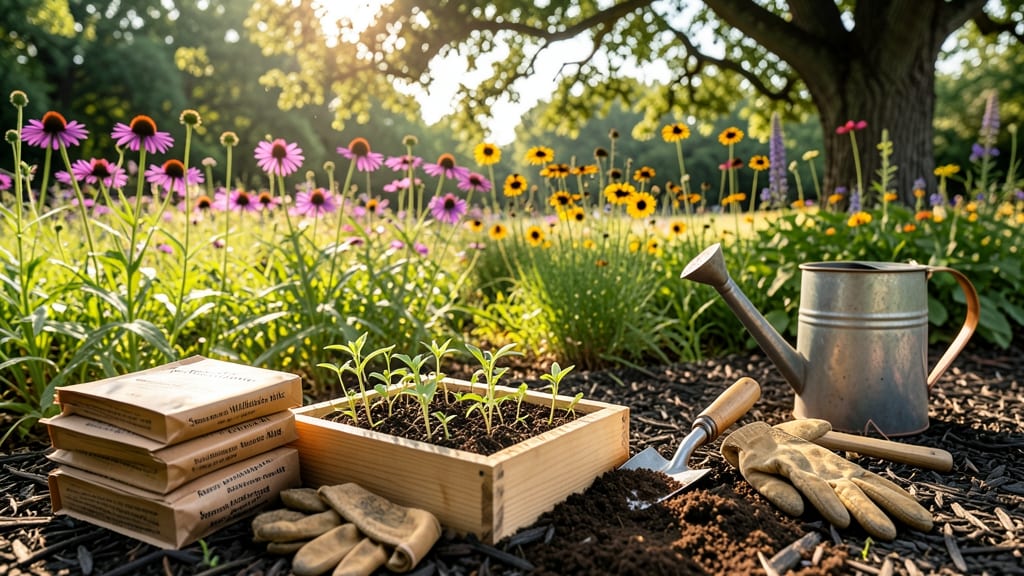
Planting wildflower seeds in Tennessee at the right time could mean the difference between a burst of color and a garden that never takes off.
With frost dates shifting from March 15 in Zone 6a to January 15 in Zone 8a, getting the timing wrong can leave your 🌼 seeds struggling to survive.
You might think spring is the only window, but fall planting actually gives wildflowers a head start. The key is understanding how Tennessee’s microclimates—like the cooler mountain air in the east versus the milder valleys—affect when you should scatter those seeds.
Whether you’re dreaming of black-eyed Susans or coneflowers, I’ll break down the exact planting deadlines for your USDA zone. You’ll learn how to adjust for late frosts, when to prep your soil, and which native varieties thrive with minimal fuss.
By the end, you’ll know exactly when to plant for zero-frost success—and why some gardeners swear by late summer sowing. Let’s get those wildflowers growing!
Tennessee’s USDA zones 6-8: exact wildflower planting deadlines by month
Timing your wildflower planting in Tennessee is all about understanding your USDA zone and local frost patterns. Zones 6-8 offer two ideal windows: early spring and late summer. Missing these can mean seeds sprout too early and die in frost, or too late and fail to establish before winter.
Let’s break down the exact month-by-month deadlines for each zone.
In Zone 6, your last frost typically arrives around March 15, while Zone 8 can see blooms year-round with minimal frost risk. Zone 7 falls in between, offering a longer growing season.
For annual wildflowers, aim to plant seeds 4-6 weeks before the last frost—this gives them time to germinate and grow before cold snaps. Perennials, on the other hand, benefit from fall planting to establish roots before winter.
Here’s the critical planting timeline for Tennessee’s zones, including frost risk and ideal soil temperatures for germination:
| Zone | Spring Planting Window | Fall Planting Window | Last Frost Date | Soil Temp for Germination |
|---|---|---|---|---|
| 6a | February 15 - March 15 | August 15 - September 15 | March 15 | 50°F+ |
| 6b | March 1 - March 31 | August 15 - September 30 | March 30 | 50°F+ |
| 7a | March 1 - April 15 | September 1 - October 15 | February 15 | 55°F+ |
| 7b | March 15 - April 30 | September 15 - October 31 | February 1 | 55°F+ |
| 8a | March 1 - May 15 | October 1 - November 15 | January 15 | 60°F+ |
| 8b | March 15 - April 30 | October 15 - December 1 | January 1 | 60°F+ |
For Zone 6, focus on late winter to early spring planting (February-March) to avoid frost damage.
In Zone 7, you have a bit more flexibility, but don’t wait past April 15 for spring planting. Zone 8 gardeners can plant as late as May in some areas, but always check local frost forecasts. Fall planting is ideal for perennials like black-eyed Susans and cone flowers, which need time to establish roots before winter.
If you’re planting annual wildflowers like cosmos or sunflowers, aim for late summer (August-September) to ensure they bloom before the first frost.
These varieties grow quickly and can handle cooler temperatures better than slower-starting perennials. Soil temperature is key—most wildflower seeds need 50-60°F soil to germinate, so use a soil thermometer if unsure. In Zone 6, wait until soil warms to 50°F before planting, even if air temperatures are higher.
Pro tip: Use mulch after planting to retain moisture and regulate soil temperature. A thin layer of straw or leaves helps newly sprouted seeds stay warm and hydrated, especially in Zone 6 where nights can still be chilly.
Avoid heavy mulch, which can smother seeds. Instead, opt for a light covering that allows sunlight to reach the soil. This is particularly important for fall-planted seeds, which need consistent moisture to germinate before winter sets in.
One common mistake is planting too early in Zone 7 or 8 and having seeds wash away in heavy rains. If you’re planting in late winter, use a seed starter mix or cover seeds with a breathable fabric until germination.
For fall planting, aim to finish by mid-October in Zone 6 and late November in Zone 8 to allow roots to establish before dormancy. Always check the 10-day forecast for frost warnings—even a light freeze can kill tender seedlings.
Native Tennessee wildflowers like purple coneflower and but
How to adjust planting dates for Tennessee’s microclimates and frost quirks
Tennessee’s diverse geography creates microclimates that can shift your wildflower planting window by weeks. Mountain regions like the Great Smoky Mountains often experience later frosts (sometimes as late as May), while valleys like Nashville’s Cumberland Plateau may see frost-free conditions by March.
Without adjustments, you risk planting too early in cold pockets or too late in warmer areas.
Local weather stations—like those tracking Chattanooga’s Zone 7b or Memphis’ Zone 8a—provide frost data, but even these can mislead. I’ve found that checking soil temperatures (aim for 50°F+) is more reliable than air temps alone. A soil thermometer costs under $15 and can save you from wasted seeds.
For spring planting, wait until 2-3 weeks after your last frost date—but verify with a local nursery. In Zone 6a (e.g., Bristol), that might mean late April, while Zone 8a (e.g., Jackson) could be ready by early March.
Fall planting? Start by mid-August to allow seeds to germinate before winter dormancy.
⚠️ callout-warningTennessee’s valley inversions (like the Clinch River Valley) can trap cold air, causing unexpected frosts even after official "last frost" dates. Check microclimate maps from the TN State Climatology Office—their frost risk layers show pockets where temps drop 10°F+ colder than nearby areas. If you’re in a frost-prone zone, delay planting by 10-14 days or use row covers for early sowings.
Don’t overlook elevation adjustments. A garden at 2,000 feet in the Unicoi Mountains may need 3 weeks later planting than a 500-foot valley just 20 miles away. Use the USDA Plant Hardiness Tool to overlay your exact elevation—it’s free and pinpoints frost-free windows with surprising precision.
For fall planting, prioritize native perennials like purple coneflower or black-eyed Susan, which establish roots before winter. Annuals like cosmos can handle later sowings (up to September 15 in Zone 6a), but avoid planting after October 1—seeds won’t germinate in time for strong growth.
Pro tip: Bookmark the National Weather Service’s Point Forecast for your county. Their 10-day frost probability charts help time late-summer sowings perfectly. Pair this with a moisture meter—wildflower seeds need consistent soil moisture to germinate, and Tennessee’s summer droughts can dry soil faster than you think.