
Flowers
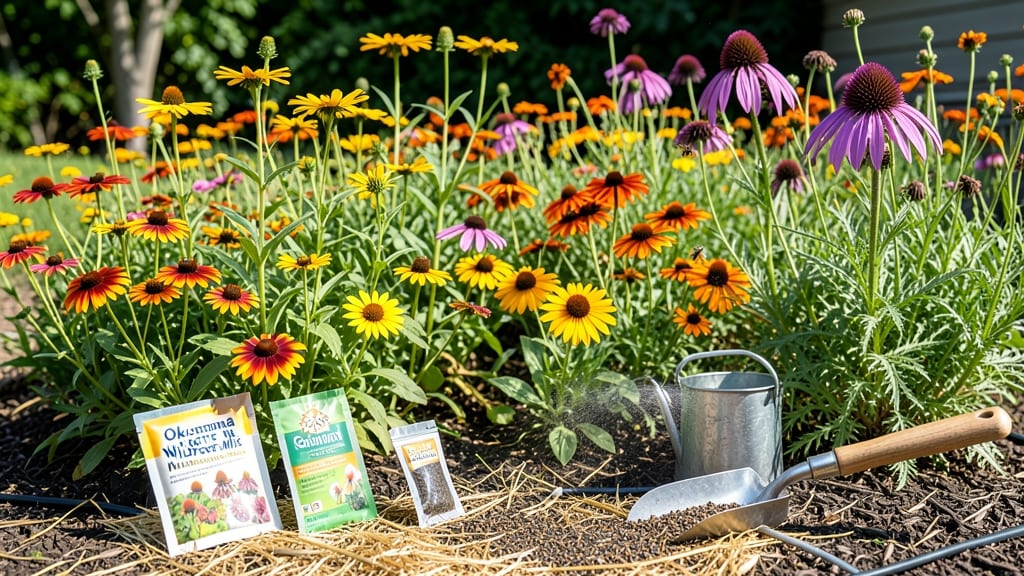
Planting wildflowers in Oklahoma at the wrong time can mean the difference between a vibrant meadow and a patch of brown dirt. The perfect window isn’t just about the calendar—it’s about understanding your zone’s frost dates, soil temps, and even Oklahoma’s infamous unpredictable weather.
Most gardeners assume spring is the only time to plant, but fall offers a secret advantage for early blooms. Whether you’re in the cooler 6a zones of northern Oklahoma or the milder 8a areas in the south, timing matters.
I’ll break down the best months for each region so your 🌼 seeds get the head start they need.
You’ll also discover how to prep your soil, choose the right native varieties, and avoid common mistakes that kill wildflower dreams. With the right approach, you could have blooms by May—and maybe even attract butterflies by summer.
Let’s dive into the science-backed schedule that’ll turn your Oklahoma landscape into a year-round wildflower paradise, no matter when you plant.
Best wildflower planting times in Oklahoma by region (spring vs. fall breakdown)
Oklahoma’s three distinct climate zones—Panhandle, Central, and Eastern—create unique planting windows for wildflowers. Each zone has different frost dates, soil temperatures, and rainfall patterns that dictate the best times to sow seeds for vibrant blooms.
Whether you’re planting annuals like Indian blanket or perennials such as coneflowers, timing is critical to avoid frost damage or summer stress.
Spring planting typically occurs after the last frost date, while fall planting leverages cooler temperatures and fall rains to establish roots before winter. In Oklahoma, early spring (March-April) and early fall (September-October) are the golden windows for most wildflower varieties.
Below, we break down the ideal planting times for each region, including soil prep tips and native species that thrive in your area.
In the Panhandle, where winters are colder and drier, aim to plant Indian blanket and coreopsis in mid-March to avoid late frosts. This region’s alkaline soils benefit from a light compost mix before sowing.
For fall planting, late August is ideal—seeds will germinate with fall rains and establish roots before winter dormancy.
The Central region, including Oklahoma City, offers a slightly longer growing season. Here, coneflowers and blazing star thrive when planted in late March. Soil temperatures should reach 55°F for optimal germination.
Fall planting in mid-September ensures seeds sprout before the first frost, typically in late October. Mulch lightly to retain moisture during dry spells.
Eastern Oklahoma’s warmer climate extends the planting window, but early April is still the sweet spot for butterfly milkweed and goldenrod. These native perennials love the region’s humid summers and richer soils.
For fall, late September planting aligns with cooler temps and increased rainfall, giving seeds the best chance to establish before winter.
Regardless of region, soil preparation is key. Loosen the top 6 inches of soil, remove weeds, and mix in compost to improve drainage. Scatter seeds lightly—most wildflowers need light to germinate, so avoid burying them more than 1/4 inch deep.
After planting, water gently to keep soil moist but not soggy.
Pro tip: If you’re planting annuals like black-eyed Susans, consider a pre-sprouting method for late springs. Soak seeds overnight, then plant in moistened seed trays indoors under grow lights.
Transplant seedlings outdoors after the last frost to jumpstart growth. This trick is especially useful in the Panhandle, where springs can be unpredictable.
For perennials, fall planting often yields better results. Seeds sown in September or October take advantage of cooler temperatures and natural rainfall, reducing the need for supplemental watering. By spring, your wildflowers will be established and ready to bloom, attracting poll
How to choose wildflower seeds for Oklahoma’s climate and soil types
Oklahoma’s alkaline soils and variable humidity demand wildflower seeds that thrive without fuss. Native species like Indian blanket and black-eyed Susan naturally adapt to these conditions, while ornamental mixes add vibrant color. The key? Matching your sun exposure, moisture levels, and soil type to the right seed blend.
Most Oklahoma gardeners overlook drought-tolerant varieties, assuming they need constant watering. In reality, seeds like Mexican hat and coreopsis flourish with minimal care once established. These plants also attract pollinators like butterflies and bees, turning your yard into a thriving ecosystem.
Here’s a quick guide to selecting seeds that’ll outperform in Oklahoma’s climate:
| Seed Type | Best For | Sun Needs | Water Needs | Bloom Time |
|---|---|---|---|---|
| Native Mix (e.g., Oklahoma Wildflower) | Drought-resistant, pollinator-friendly | Full sun (6+ hrs) | Low to moderate | Spring to fall |
| Butterfly Magnet Mix | Attracts monarchs, hummingbirds | Full sun to part shade | Moderate | Summer to early fall |
| Meadow Mix (e.g., Wildflower Meadow) | Large areas, low maintenance | Full sun | Moderate (drought-tolerant) | Late spring to frost |
| Shade-Tolerant Mix (e.g., Woodland Wildflowers) | Under trees, north-facing areas | Part shade (3-6 hrs sun) | Moderate | Spring to summer |
| Drought-Proof Mix (e.g., Desert Wildflowers) | Panhandle regions, minimal water | Full sun | Very low | Spring to early summer |
Avoid non-native mixes unless labeled for Oklahoma’s climate. These often require extra water or struggle with our alkaline soils. Instead, opt for pre-mixed native blends or individual seeds like coneflower and purple prairie clover, which thrive with zero fuss.
For alkaline soil, add a thin layer of compost or peat moss before planting to improve drainage. This small step prevents seed rot and encourages faster germination. Test your soil’s pH—if it’s above 7.5, amend it with sulfur or pine needles.
Once planted, mulch lightly to retain moisture and suppress weeds. Oklahoma’s hot summers can dry out seeds quickly, so keep soil moist until sprouts appear. With the right seeds and care, your wildflower garden will bloom like crazy—and require almost no upkeep after the first year. 🌻