
Blooming
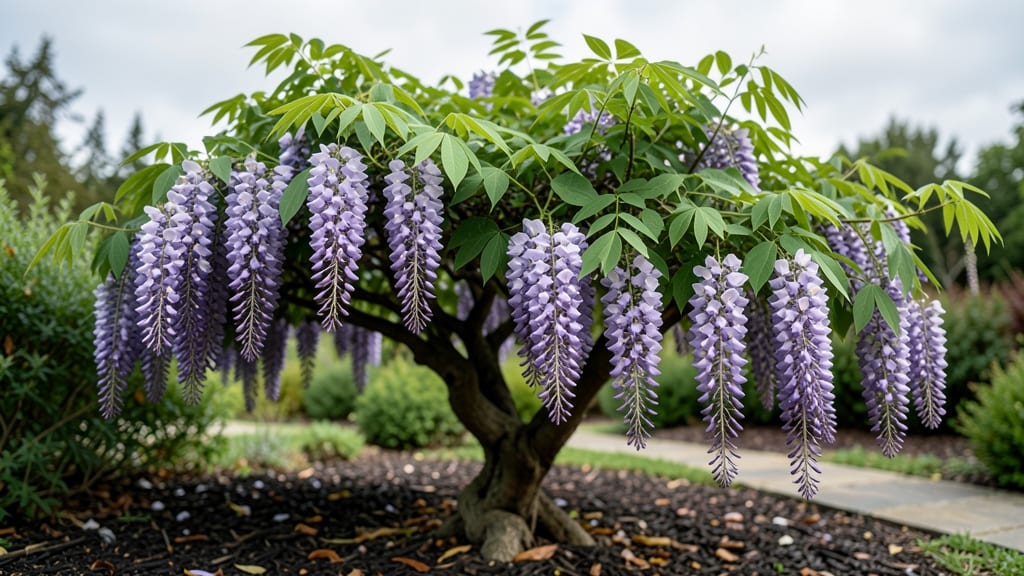
There's nothing quite like the sight of wisteria cascading in vibrant purple, white, or blue—but getting those spectacular blooms depends on one critical factor: timing your pruning right during the wisteria flowering season.
Most gardeners assume wisteria flowers appear randomly, but the buds swell in early spring, and if you prune at the wrong time, you could miss next year's show entirely.
In USDA Zone 6, for example, the flowering season actually follows a precise schedule tied to your region and pruning habits. What I've learned over the years is that the secret lies in understanding your vine's growth cycle and adjusting your pruning schedule accordingly.
Whether you're dealing with a young plant or an established giant, the right cuts at the right time can transform a sparse vine into a floral masterpiece. Ready to unlock your wisteria's full potential?
Let's break down exactly when to prune for maximum blooms and how to keep your vine thriving year after year—no guesswork required.
Wisteria flowering season timeline: month-by-month growth stages
Understanding your wisteria's flowering season is key to unlocking those dramatic cascades of purple, white, or blue blooms. This vine follows a precise growth cycle where pruning timing directly impacts next year's floral display.
In USDA zones 5-9, regional climate shifts the schedule by 2-4 weeks, so knowing your local cues is essential.
Wisteria blooms on old wood, meaning flowers form on last year's growth. Heavy pruning at the wrong time can remove next year's buds entirely.
The bud formation stage begins in late summer, making summer pruning particularly risky. Let's break down each critical stage month-by-month to help you time interventions perfectly.
🌸 Visual Guide: Wisteria Growth Stages by Month
| Month | Growth Stage | Key Features | Pruning Action | Zone 5-6 | Zone 7-9 |
|---|---|---|---|---|---|
| January-February | Dormant Season | No visible growth; buds dormant | Dormant pruning (light shaping) | Late Feb (after hard frost) | Early Feb (milder winters) |
| March | Bud Swell | Bud tips emerge; leaf buds visible | None (critical bud formation) | Mid-March | Late Feb-Early March |
| April-May | Flowering Peak | Fragrant clusters bloom; leaves unfurl | Post-bloom cleanup only | Late May (Zone 5) | April-May (Zone 7-9) |
| June-July | Seed Pod Formation | Green seed pods develop; new growth | Minimal pruning (remove deadwood) | June-July | May-June |
| August-Sept | Bud Development | Next year's buds form on current growth | NO PRUNING (critical stage) | August | July-August |
| October-Nov | Leaf Drop | Leaves yellow; vine prepares for dormancy | Final cleanup (remove dead leaves) | October | November |
| December | Full Dormancy | No growth; buds protected | Winter protection (mulch) | December | December |
In Zone 5, wisteria typically blooms in late May to early June, while Zones 7-9 see flowers as early as April. The bud formation window (August-September) is non-negotiable for pruning—any cuts during this time remove next year's flowers.
I've seen gardeners in Southern California (Zone 9) bloom as early as March, while New England (Zone 5) vines wait until June.
The flowering peak lasts 2-3 weeks, during which wisteria produces its most dramatic displays. This is when you'll notice those 12-inch-long cascading clusters that make wisteria so prized.
After blooming, the vine enters its seed pod stage, where energy shifts from flowers to seed production—another critical time to avoid heavy pruning.
One common mistake I see is pruning after bud swell (March-April), which removes next year's flowers. The dormant season (January-February) is your only safe window for major structural pruning.
In my Zone 7 garden, I prune lightly in late February to shape the vine while leaving 80% of last year's growth intact for buds.
For Southern climates (Zones 8-9), the timeline shifts earlier by 4-6 weeks. My friend in Austin, Texas, grows Amethyst Falls wisteria that blooms in March—she prunes in January to avoid cutting off those early buds.
Always check your local last frost date as a guide, but remember: wisteria blooms on old wood, so preserve last year's growth.
After flowering, the vine produces green seed pods that turn brown by late summer. These pods contain seeds, but removing them isn't necessary unless you want to control spread.
The real focus should be on identifying next year's buds, which form on the current year's growth during August-September. This is when I mark my vines with soft ties to track bud locations for future pruning.
The leaf drop stage (October-November) signals the vine's return to dormancy. This is your last chance to clean up debris and apply winter mulch (2-3 inches) to protect roots. In Zone 5, I add extra mulch to shield buds from freezing temperatures, while
When to prune wisteria for maximum blooms: best practices by season
Wisteria’s stunning cascades of flowers depend entirely on timely pruning. Unlike many plants, wisteria blooms on old wood, meaning last year’s growth produces this year’s flowers. If you prune at the wrong time, you’ll cut off next season’s blooms before they even form.
My late-winter pruning is the most critical step—it shapes the vine while it’s dormant and sets the stage for abundant spring flowers.
But pruning isn’t just a once-a-year task. Summer maintenance keeps your wisteria manageable and encourages new growth for future blooms. I’ve learned the hard way that skipping summer pruning leads to unruly vines and fewer flowers.
Let’s break down the seasonal pruning schedule that will transform your wisteria into a flowering powerhouse.
🌸 Critical Wisteria Flowering Window
Wisteria blooms on old wood, meaning flowers form on branches from the previous year. Pruning too late in winter or too early in summer can remove next year’s flower buds before they open. In USDA Zones 5-9, your late-winter pruning (just before bud swell) is your one chance to shape the vine without sacrificing blooms. Mark your calendar for February-March—this is when I do 90% of my pruning.
Start with your tools of the trade: sharp bypass pruners for smaller branches and a pruning saw for thicker stems. I also keep disinfectant handy to dip tools between cuts—this prevents spreading disease.
Before you begin, identify dead wood (brown, brittle stems) and live wood (green beneath the bark). Dead branches should be removed immediately, while live branches get a closer look for structural pruning.
Your late-winter pruning should focus on three key goals: removing dead wood, thinning crowded branches, and shaping the vine. I aim to keep the strongest, most sun-exposed branches while opening up the center for airflow.
Never cut more than 25% of the vine’s total growth in one season—this ensures you’ll still have flowers next year. Pro tip: Look for buds facing outward on last year’s wood—these will become next year’s flower clusters.
After the spring blooms fade (typically June-July), it’s time for summer maintenance pruning. This isn’t about heavy cutting—think of it as light grooming. Remove any suckers (vigorous shoots growing from the base) and trim back overly long branches to encourage bushier growth.
I also pinch back the tips of new growth to promote branching. This step is crucial for keeping your wisteria manageable and preventing it from becoming a tangled mess.
Throughout the growing season, keep an eye out for weak or crossing branches. These compete for sunlight and nutrients, often leading to fewer flowers. In late summer, you can do a final light pruning to remove any damaged or diseased wood before winter.
This keeps your vine healthy and ready for next year’s flowering spectacle. Remember, wisteria is a patient plant—consistent, thoughtful pruning over years will reward you with dramatic, fragrant blooms every spring.
If you’ve ever stared at your wisteria in frustration after a bloomless spring, you’re not alone. But with this seasonal pruning plan, you’ll soon be the envy of the neighborhood as your vine bursts into lavender clouds each spring.
Grab your pruners, and let’s get started—your future flowers will thank you!