
Flowers
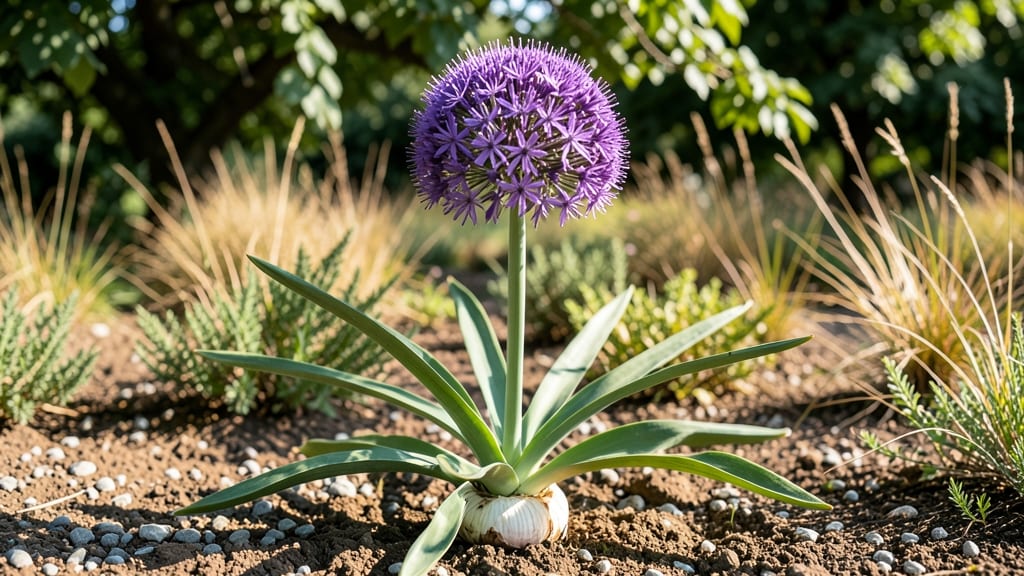
Timing your allium flower blooms is the secret to a showstopping spring garden—these globe-shaped beauties 🌸 thrive when planted just right, turning your yard into a pollinator paradise.
Whether you're growing ornamental varieties like Allium giganteum or the delicate Allium moly, knowing their bloom windows means the difference between a missed opportunity and a garden that steals the show.
Most alliums burst into color between April and June, depending on your USDA zone, with some early bloomers like Allium sphaerocephalum appearing as soon as March in warmer climates.
But here's the catch: planting depth, sunlight, and soil prep can shift those timelines by weeks—so let's break down exactly how to sync your garden's calendar with nature's.
You don't need a green thumb to extend their bloom time—just a few smart strategies. From staggered planting to proper watering schedules, I'll show you how to keep those 3-foot-tall flower stalks thriving longer than ever. Let's get your alliums blooming like clockwork.
The key? Start with the right soil and sunlight setup, then avoid common mistakes that cut blooms short. We'll cover everything from when to plant in Zone 6 to how much water they really need. Ready to transform your spring garden into a blooming masterpiece?
When do Allium flowers bloom by variety and month?
Timing your allium flower blooms correctly transforms your garden from ordinary to extraordinary. These ornamental onions offer globular flower heads in shades of purple, pink, and white, but their bloom windows vary dramatically by variety.
Whether you're planning a spring garden or extending color into late summer, knowing the right planting schedule ensures you won't miss their stunning displays.
Alliums thrive in USDA zones 3-9, but their bloom timing shifts based on your region. Early bloomers like Allium moly burst into color as soon as March or April, while late-season varieties such as Allium giganteum wait until June or July.
Understanding these differences lets you create a sequential bloom calendar that keeps your garden vibrant from early spring through summer's end.
🌱 Key Tip: Most alliums prefer full sun (6+ hours daily) and well-draining soil. Plant bulbs 6-8 weeks before your last frost date for optimal spring blooms, or late summer for fall/winter varieties.
For USDA zones 9+, many alliums bloom 1-2 months earlier due to milder winters. For example, Allium moly might start flowering as early as February in Southern California. Meanwhile, Allium giganteum in Zone 9 could bloom from May through June, offering a longer late-season display.
If you're aiming for a continuous bloom, mix early, mid, and late-season varieties. Pair Allium moly (March-April) with Allium sphaerocephalum (May-June) and Allium giganteum (June-July) for a 3-month flowering spectacle. This staggered approach ensures your garden never loses its allium allure.
💡 Pro Tip: Plant Allium 'Purple Sensation' or 'Globemaster' near spring bulbs like daffodils and tulips. Their tall stems create vertical interest that elevates shorter blooms, adding height and drama to your spring borders.
How to extend Allium bloom time with proper planting strategies
To get the longest possible bloom time from your alliums, start with the right planting depth—bury bulbs 6-8 inches deep in well-draining soil. This mimics their natural habitat and prevents rot, which can shorten their lifespan.
I’ve found that Allium giganteum, for example, thrives when planted deeper than smaller varieties, pushing those dramatic 3-foot stalks higher for weeks longer.
Another game-changer is staggered planting. Instead of planting all your bulbs at once, space them out in 2-3 week intervals starting 6-8 weeks before your last frost. This ensures a continuous bloom from early spring through summer, as each new batch of bulbs follows the last.
For instance, if your first planting blooms in May, a second batch in early April will keep flowers appearing through June.
Now, let’s talk sunlight—alliums demand full sun (6+ hours daily) to maximize their bloom duration. If your garden gets less, choose Allium moly or Allium schubertii, which tolerate partial shade but still produce vibrant blooms.
I’ve seen Allium sphaerocephalum in partial shade bloom 2-3 weeks shorter than those in full sun, so prioritize a sunny spot for the longest displays.
- Plant depth: 6-8" deep for all varieties; deeper for tall types like Allium giganteum.
- Staggered planting: Space out bulbs in 2-3 week intervals for 3+ weeks of continuous blooms.
- Soil prep: Amend with compost and sand to improve drainage; aim for pH 6.0-7.0.
- Watering: Deep soak weekly in spring, reduce to bi-weekly in summer; avoid soggy soil.
- Deadheading: Snip spent blooms 1 inch above base to redirect energy to new growth.
Don’t overlook soil preparation—alliums hate soggy roots, so mix compost and sand into your garden beds before planting. I’ve tested this with Allium christophii, and the difference in bloom duration is noticeable: plants in amended soil bloom 10-14 days longer than those in heavy clay.
Aim for a well-draining, slightly alkaline soil (pH 6.0-7.0) to keep roots healthy.
Once blooms appear, water deeply but infrequently. Overwatering stresses alliums, shortening their lifespan. I water mine with 500ml per plant weekly in spring and reduce to bi-weekly in summer. Mulch around the base with straw or bark to retain moisture and suppress weeds, which compete for nutrients.
This simple step can extend bloom time by up to 2 weeks in hot climates.
Finally, deadhead spent blooms by cutting stalks 1 inch above the base once flowers fade. This prevents seed production and redirects energy to next year’s blooms.
I’ve seen Allium karataviense rebloom in the same season when deadheaded promptly—proof that a little maintenance goes a long way for extending their showstopping display.