
Blooming
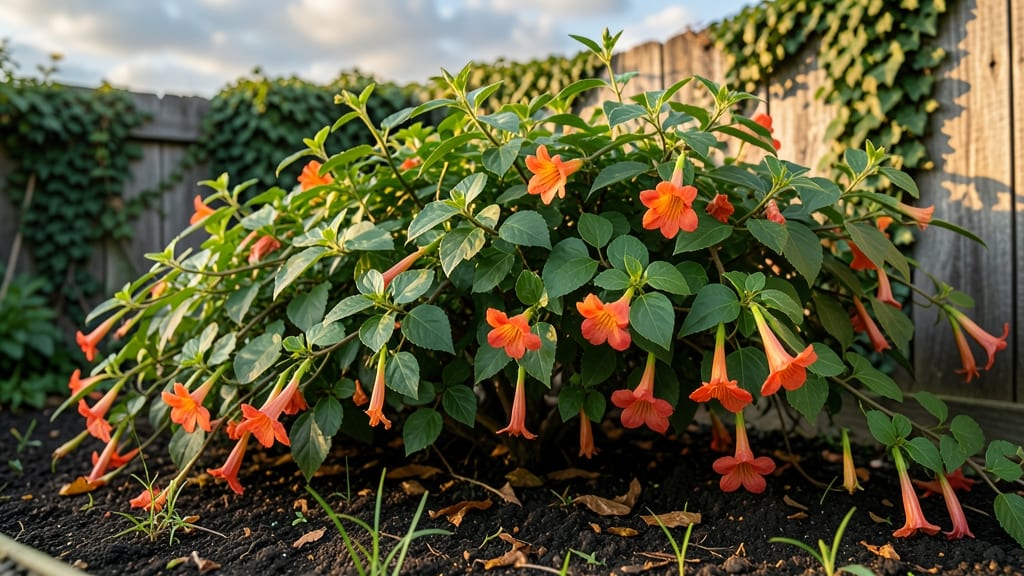
There’s nothing quite like the sight of an orange trumpet vine in its flowering season, its fiery blooms drawing hummingbirds and butterflies like a magnet.
But if you’ve ever wondered when to expect those vibrant displays in your garden, the answer depends on more than just luck—it’s all about understanding your region’s flowering window.
For gardeners in USDA Zone 6, the orange trumpet vine flowering season typically kicks off in late spring, with peak blooms stretching from May through July.
However, whether you’re in the cooler North or warmer South, small shifts in timing can mean the difference between a garden bursting with color and one that feels a little late to the party.
Getting those trumpet-shaped blooms to thrive isn’t just about waiting for the right time—it’s also about giving your vine the perfect conditions. From pruning at the right moment to ensuring it gets enough sunlight, these simple tweaks can turn a modest display into a showstopper that lasts all summer long.
Ready to transform your garden into a hummingbird haven? Let’s dive into the secrets of timing, care, and design that will have your orange trumpet vine 🌺 putting on its best show year after year.
Orange trumpet vine flowering season by USDA zone: when to expect peak blooms
The orange trumpet vine (Campsis radicans) is a showstopper with its fiery orange trumpet-shaped blooms, but its flowering window varies dramatically depending on your USDA zone.
In cooler zones like 5-7, expect blooms to arrive later in the season, while zones 8-11 often enjoy early, prolonged displays. Understanding these patterns helps you plan for optimal pollinator support and garden design timing.
Climate plays a huge role—Southern gardens (zones 8-11) may see blooms as early as late spring, while Northern gardens (zones 5-7) typically wait until mid-to-late summer.
Microclimates, like urban heat islands or sheltered valleys, can shift these windows by 2-4 weeks. Let’s break down what to expect in your region.
| USDA Zone | Peak Bloom Window | Early Bloomers | Late Bloomers | Notes |
|---|---|---|---|---|
| Zones 5-6 | Mid-July to August | June (mild winters) | September (cool summers) | Needs longer warm season; prune aggressively in early spring. |
| Zones 7-8 | Late May to July | April (sheltered spots) | August (humid climates) | Humidity delays blooms; prune after first frost to encourage spring growth. |
| Zones 9-10 | March to May | February (coastal) | June (inland heat) | Year-round blooms possible; prune lightly in winter to shape. |
| Zone 11 | January to April | December (mild winters) | May (dry spells) | Minimal dormancy; water deeply during dry summers to sustain blooms. |
In USDA zones 5-6, where winters are harsh, the orange trumpet vine often waits until mid-summer to bloom, as it needs consistent warmth to trigger flowering. Planting near a south-facing wall can advance blooms by 2-3 weeks by creating a microclimate.
I’ve seen vines in zone 6 gardens burst into bloom as early as late June if given extra heat from black mulch or a greenhouse effect.
For zones 7-8, the flowering window stretches from late spring to early fall, with a peak in June and July. However, humid climates (like the Southeast) can delay blooms until July or August due to fungal pressure on buds.
In drier regions, such as Texas or Arizona, vines may bloom earlier and more prolifically thanks to lower humidity levels.
Gardeners in zones 9-11 often enjoy two blooming cycles—one in early spring and another in fall. In Southern California or Florida, the vine can even flower year-round if conditions are ideal.
The key to extending blooms in warm climates? Light pruning in winter to remove dead wood while preserving healthy growth buds.
Microclimates can shift bloom times dramatically. For example, a vine planted in a shaded valley might bloom 3 weeks later than one basking in **full
How to maximize orange trumpet vine blooms: pruning, sunlight, and soil tips
To coax your orange trumpet vine into a nonstop floral display, you’ll need to master three key elements: pruning timing, sunlight exposure, and soil conditions. I’ve learned the hard way that skipping these steps can leave you with sparse blooms—even in the most vibrant climates.
Let’s dive into the science (and art!) behind extending that orange trumpet vine flowering season from a few weeks to months of show-stopping color.
The secret to prolonged blooms starts with understanding your vine’s natural growth cycle. Unlike annuals, Campsis radicans is a semi-evergreen vine that thrives on strategic pruning. When done correctly, you’ll encourage new growth that translates directly to more flower buds.
But timing is everything—prune too early or too late, and you might sacrifice next year’s blooms entirely.
- Spring Pruning (Late March-April): Cut back dead or weak stems to 6 inches above ground. This jumpstarts new growth for summer blooms.
- Summer Pruning (June-August): Lightly trim overgrown vines to maintain shape. Avoid heavy cuts—this can reduce fall flowers.
- Fall Pruning (October-November): Remove faded flowers and crossing branches to improve airflow. Stop pruning before first frost.
- Sunlight Needs: 6+ hours of full sun daily. Partial shade (3-4 hours) may delay blooms and weaken vines.
- Soil pH: Aim for 6.0-7.0. Test your soil—acidic soil (below 5.5) can stunt flowering.
- Fertilizing: Use balanced 10-10-10 in spring and summer. Skip fall/winter—your vine needs dormancy.
Your orange trumpet vine’s sunlight needs are non-negotiable. While it can tolerate partial shade, the trade-off is fewer blooms and slower growth. I once planted mine under a dwarf oak—big mistake! The vine struggled to produce more than a handful of flowers.
Once I relocated it to a south-facing fence, the difference was staggering: continuous blooms from June to September. If your yard lacks full sun, consider a container garden on a sunny patio.
Don’t overlook soil preparation—this is where many gardeners go wrong. Orange trumpet vines prefer well-draining, slightly acidic soil rich in organic matter. Before planting, amend your soil with compost or aged manure to improve fertility.
If your soil tests alkaline (above 7.5), add sulfur or peat moss to lower the pH. A happy vine with the right nutrients will reward you with larger, more abundant flowers and stronger stems for climbing.
Fertilizing isn’t just about dumping granules—it’s about timing and balance. I’ve found that spring feeding (when new leaves emerge) and light summer applications (every 6 weeks) keep my vine thriving. Use a balanced fertilizer like 10-10-10, but avoid high-nitrogen formulas—they promote leafy growth at the expense of flowers.
Pro tip: Water thoroughly after fertilizing to prevent root burn, and always apply in the early morning to reduce leaf scorch.
With these strategies, you’ll transform your orange trumpet vine from a one-season wonder into a year-round pollinator magnet. The key is consistency—prune wisely, feed strategically, and give it the sun it craves.
Before you know it, your garden will be alive with the hum of bees and the vibrant splash of trumpet-shaped blooms from spring to fall.