
Flowers
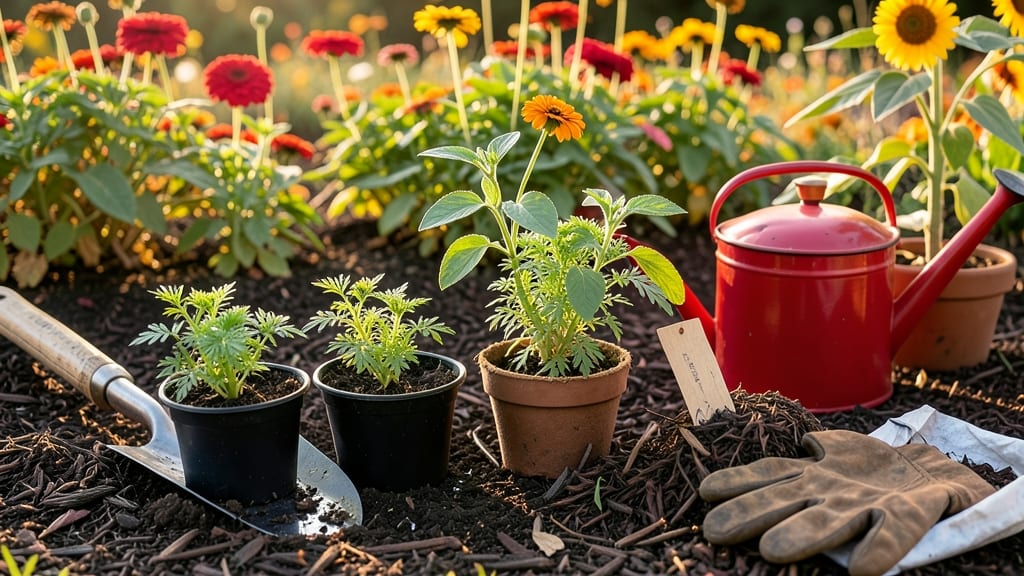
Planting fall flowers in Georgia isn’t just about timing—it’s about catching that sweet spot between mid-August and mid-October when your garden can still support new roots before the first frost.
Miss this window, and you risk wilting blooms or stunted growth, but get it right, and you’ll enjoy vibrant 🌼 displays that last until November.
I’ve learned the hard way that Georgia’s USDA Zones 7b-8a demand precision—too early, and your flowers bolt in the heat; too late, and they’ll struggle to establish before cold snaps. The key is understanding your microclimate, whether you’re in Atlanta’s cooler hills or Savannah’s milder coastal edges.
In this guide, I’ll break down the exact planting dates for your favorite fall bloomers, from chrysanthemums to pansies, plus pro tips to extend their season. You’ll also discover how to prep your soil and avoid common mistakes that sabotage even the most eager gardeners.
Ready to transform your yard into a fall paradise? Let’s dive into the step-by-step timing and care secrets that’ll keep your flowers thriving—no matter where you are in the Peach State.
Ideal planting dates for fall flowers in Georgia’s USDA Zones 7b-8a
Fall in Georgia offers a golden window to plant flowers that bloom vibrantly until frost. In USDA Zones 7b-8a, timing is everything—plant too early, and your flowers may bolt; too late, and they won’t establish before winter.
The key is aligning your planting with soil temperatures (ideally 60-75°F) and first frost dates, which range from mid-November in Atlanta to early December in Savannah.
This guide breaks down the perfect planting schedule for annuals, perennials, and bulbs to ensure your garden stays colorful until the first freeze.
For annuals like pansies and ornamental kale, aim to plant 6-8 weeks before your average first frost. In most of Georgia, this means mid-September to early October.
These cool-season bloomers thrive when days grow shorter and temperatures drop, making them perfect for fall color. Perennials such as chrysanthemums and aster flowers can handle slightly later planting—late September to mid-October—since they’ll return next year.
Meanwhile, spring-blooming bulbs like tulips and daffodils should go in the ground by mid-October to establish roots before winter dormancy.
Microclimates play a huge role in Georgia’s fall planting success. In cooler northern areas (Zone 7b), like Atlanta and Dahlonega, first frosts can arrive as early as November 15, so plant 2-3 weeks earlier than southern regions.
Conversely, warmer coastal areas (Zone 8a), like Savannah and Brunswick, may see frosts as late as December 10, giving you a 4-week extension for late plantings. Always check your local Almanac frost dates and adjust accordingly—your garden’s microclimate might even differ by just a few blocks!
Soil temperature is a critical factor for fall planting success. Use a soil thermometer to confirm your garden bed is at least 60°F—cooler soils can stunt root growth. In Georgia, soil temps typically drop below this threshold by mid-October in northern zones and late October in southern zones.
If you’re planting bulbs or perennials, wait until soil temps are consistently below 65°F to avoid premature sprouting. For annuals like pansies, slightly warmer soil (60-70°F) encourages faster germination and establishment.
Don’t overlook light requirements when selecting fall flowers. Many cool-season annuals thrive in full sun to partial shade, but chrysanthemums and aster flowers can handle morning sun and afternoon shade—ideal for Georgia’s hot afternoons.
If you’re planting in shadier spots, opt for impatiens or heuchera, which tolerate lower light levels. Always match your flower’s needs to its location—6+ hours of sun is ideal for most fall bloomers, but 2-4 hours can work for shade-tolerant varieties.
Watering is another make-or-break factor for fall plantings. After transplanting, water deeply every 2-3 days until roots establish (about 2-3 weeks). Once established
Best fall-blooming flowers for Georgia’s climate (and when to start seeds vs. transplants)
Fall in Georgia offers a golden opportunity to plant flowers that thrive in cooler weather while avoiding frost damage. The key is choosing cold-hardy varieties and timing your seed-starting or transplants perfectly.
For USDA Zones 7b-8a, this means planting between mid-August and mid-October, but the method depends on whether you’re sowing seeds or buying young plants.
Some flowers, like chrysanthemums and pansies, are hardy enough to handle Georgia’s mild winters, while others, such as ornamental kale and snapdragons, add vibrant color without fear of frost.
The trick is knowing whether to start seeds indoors or transplant mature plants to maximize blooms before winter sets in.
Pros and Cons of Seed-Starting vs. Transplanting in Georgia’s Fall Climate
For seed-starting, begin indoors in late July to early August for flowers like snapdragons and calendula, which need time to germinate and grow before transplanting in September. These varieties are cold-tolerant and will often self-seed for spring blooms, saving you work next year.
If you prefer transplants, head to nurseries in late August to early October for chrysanthemums, pansies, and ornamental kale. These plants are already hardened off and ready to thrive in Georgia’s cooler fall temps. Look for frost-resistant labels to ensure they survive light freezes.
Don’t overlook self-seeding flowers like lobelia or sweet alyssum, which will pop up naturally in spring if left undisturbed. These are perfect for low-maintenance gardens and add early-season color without extra effort.
To extend your fall blooms, deadhead spent flowers regularly and mulch around plants to protect roots from temperature swings. With the right timing and varieties, your Georgia garden can stay bursting with color well into winter.