
Flowers
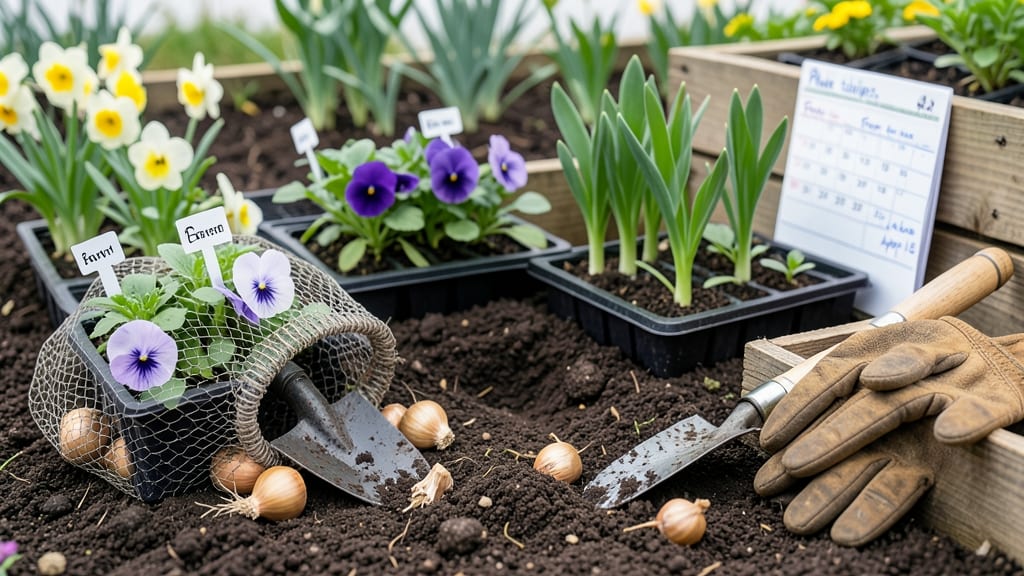
Timing your spring flower planting just right is the difference between a burst of vibrant blooms and a sad, wilted disappointment.
With USDA Zone 6a typically seeing its last frost around April 15, knowing exactly when to plant your 🌸 flowers can mean the difference between a thriving garden and a gamble.
Most gardeners wait until after that final frost date—usually late April to early May—when soil temperatures hit at least 60°F. But here’s the catch: not all flowers are created equal.
Cool-season bloomers like pansies can handle earlier planting, while tender varieties like marigolds need to wait until the danger of frost has truly passed.
I’ve learned the hard way that rushing too early can leave your flowers vulnerable to late frosts, while waiting too long might mean missing the ideal window for full, lush growth.
The good news? With a few simple adjustments—like checking soil temps and knowing your local microclimate—you can master the timing and enjoy a garden that blooms all season long.
Let’s break down the exact steps to plant your flowers at the perfect moment, so you can enjoy continuous color from summer through fall. Whether you’re a beginner or a seasoned gardener, these tips will help you avoid common mistakes and get the most out of your spring planting.
USDA zone planting timelines: exact weeks before last frost for spring flowers
Getting your spring flowers in the ground at the right time can mean the difference between a showstopping garden and a sad, frost-nipped disappointment. The key is knowing your USDA zone and counting back from your average last frost date.
Most frost-sensitive flowers like petunias and geraniums need to go in 2-4 weeks before your last frost, while hardy pansies can handle planting up to 6 weeks earlier. Let's break it down by zone so you can plan with confidence.
Your planting window isn't just about dates—it's about soil temperatures and air temperatures. For example, warm-season annuals like marigolds and zinnias need soil that's at least 60°F (15°C), while cool-season flowers like snapdragons can handle cooler soil.
Below, you'll find exact weeks before last frost for each zone, plus adjustments for early or late springs.
If you're in Zone 3 or 4, where late
How to adjust planting dates for unpredictable spring weather patterns
Spring weather can be as unpredictable as a toddler’s mood—one day it’s sunny, the next it’s a hard freeze that could wipe out your tender seedlings. Even if you’ve memorized your USDA zone, late frosts or temperature swings can throw off your planting timeline.
The key is flexibility: using tools like soil thermometers and microclimate strategies to protect your flowers until conditions are truly safe.
Don’t panic if your local forecast calls for late spring frosts after you’ve already planted. Many cool-season flowers like pansies and snapdragons can handle light frosts, while others (like impatiens) will bolt or die. The trick is knowing which plants are frost-tolerant and which need warm soil to thrive.
A soil thermometer ($10 at garden centers) is your best friend—plant when the soil hits 60°F (15°C) for most flowers.
⚠️ callout-warning ⚠️
🌡️ Late Frost? Don’t Rush—Here’s How to Save Your Flowers
❄️ Mistake: Planting warm-season flowers (like petunias or marigolds) too early and losing them to frost.
✅ Fix: Use row covers or cold frames to buy time. For Zone 5-7, wait until May 15 (or after the average last frost) for heat-loving blooms.
🌱 Pro Tip: Start frost-sensitive flowers indoors 6-8 weeks before your last frost date to transplant later.
Your microclimate matters more than your USDA zone. A south-facing slope warms up faster than a north-facing corner, and urban areas can be 5-10°F warmer than rural spots.
Test your garden’s heat pockets by placing a soil thermometer in multiple locations for a week. If one spot hits 60°F two weeks before another, plant heat-lovers there first.
For hardiness zone exceptions, think beyond the numbers. A Zone 6 garden near a large body of water might experience delayed springs due to cooler air off the lake, while a Zone 7 garden in a desert can have earlier planting windows.
Check local cooperative extension service data or ask fellow gardeners at your community garden—they’ve likely seen your area’s quirks firsthand.
If frost is forecasted after planting, act fast. Cover seedlings with frost cloth or old bedsheets secured with bricks or stakes. For potted flowers, move them to a garage or porch overnight.
Most annuals bounce back if roots aren’t frozen solid. Perennials like coneflowers or black-eyed Susans are even tougher—they’ll often survive 20°F with minimal damage.
Finally, embrace succession planting to hedge your bets. Instead of planting all your zinnias or cosmos at once, stagger them every 2-3 weeks. This way, if an early batch gets nipped by frost, later plantings will fill the gap.
It’s like an insurance policy for your garden’s color timeline—no more sad, patchy blooms!