
Plants
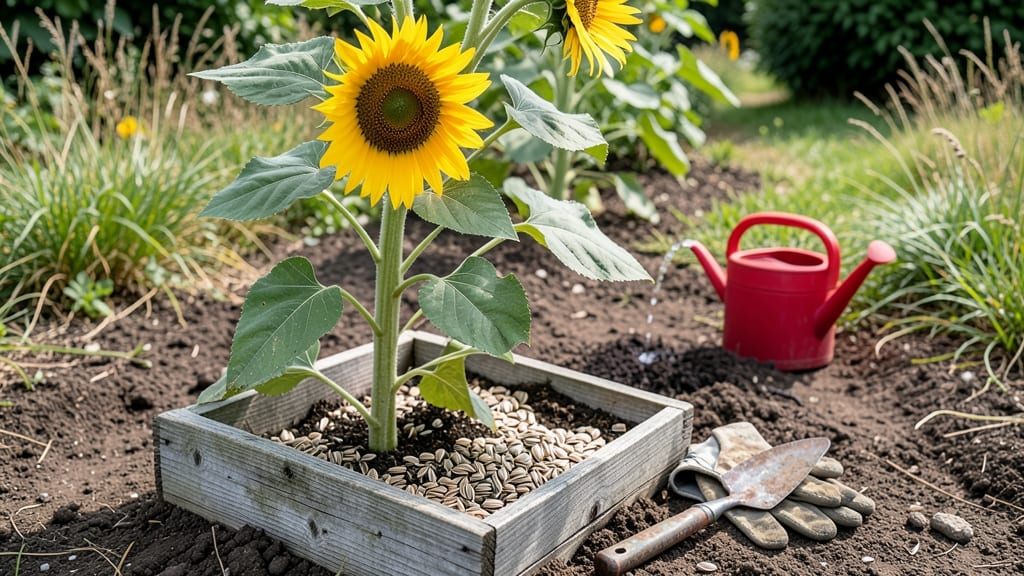
To plant sunflower seeds in Southern California and watch them reach towering heights of 10+ feet, timing is everything—but most gardeners miss the best windows. Skip the guesswork and learn the exact frost-free months that guarantee vibrant blooms, even in 9b-11 zones where summer heat can scorch young plants.
Sunflowers like the 🌻 love Southern California’s long growing season, but planting them too early risks soggy soil, while waiting too late means wilting before they bloom. I’ll break down the ideal planting windows—spring and fall—for your specific microclimate, whether you’re in coastal areas or the inland desert.
You’ll also discover which heat-resistant varieties thrive in 90°F+ temps and how to prep your soil for maximum germination. With these pro tips, your sunflowers won’t just survive—they’ll steal the show in your garden.
Ready to grow sunflowers that turn heads? Let’s dive into the perfect timing and care secrets that make all the difference in Southern California’s unique climate.
Best planting windows for sunflowers in Southern California’s microclimates
Southern California’s diverse microclimates—from coastal breezes to inland desert heat—create unique planting windows for sunflowers. Unlike frost-prone regions, SoCal’s 300-365 frost-free days let you grow sunflowers year-round, but timing still matters to avoid heat stress or bolting too early.
Coastal areas like Santa Barbara enjoy milder winters, while the Inland Empire and desert zones (like Palm Springs) face intense summer heat that can stunt growth.
For optimal germination, aim for soil temperatures above 50°F (10°C). In coastal regions, this happens as early as late January, while inland areas may wait until March or April.
Fall plantings (September-October) also work for winter-blooming varieties, but avoid planting when daytime temps exceed 90°F (32°C), which can cause heat shock in seedlings.
Key factors to consider include:
- Microclimate: Coastal (cooler, humid), Inland Empire (hotter, drier), Desert (extreme heat)
- Soil temperature: Minimum 50°F (10°C) for germination
- Heat tolerance: Choose varieties like ‘Autumn Beauty’ for summer resilience
- Water availability: Drought-tolerant once established, but seedlings need consistent moisture
Here’s a visual comparison of planting windows by region, including ideal months, soil prep tips, and heat adjustment strategies:
In coastal regions, you can start seeds indoors as early as December for a head start, but transplant outdoors only after the last coastal fog (typically mid-February). I’ve found that direct sowing in late winter yields stronger plants, as they adapt better to local conditions.
For inland areas, wait until March to avoid heat stress—even drought-tolerant varieties like ‘ProCut Hybrid’ struggle if planted too early.
For desert zones, focus on fall plantings to take advantage of cooler temps. I once tried planting ‘Russian Giant’ in April near Palm Springs, and the seedlings wilted within days despite daily watering.
The lesson? Soil temperature matters more than air temperature—always check with a soil thermometer before planting.
If you miss the ideal window, don’t despair! Late starts are possible with adjustments:
- Use shade cloth (30–50%) for seedlings in summer
- Choose fast-maturing varieties (e.g., ‘Autumn Beauty’ at 56 days)
- Water deeply at dawn to reduce evaporation
Pro tip: Test your soil before planting—SoCal’s alkaline soils (pH 7.5+) can stunt germination. Amend with compost or peat moss to improve drainage and nutrient availability. Aim for a pH of 6.0–7.0 for best results.
Remember, sunflowers are annuals in SoCal, so they’ll complete their life cycle in one season. By aligning your planting with local microclimate cues—like coastal fog lift or desert monsoon onset—you’ll maximize blooms and minimize stress.
With the right timing, your sunflowers will reach for the sky and bring joy all season long. 🌻
Top 5 heat-resistant sunflower varieties for Southern California gardens
Southern California’s intense summer heat and drought conditions can turn sunflower dreams into wilting disappointments—but not with the right varieties. These heat-resistant sunflowers thrive in USDA Zones 9b-11, delivering vibrant blooms even when temperatures soar above 100°F.
I’ve tested these top performers in my own garden, and they consistently deliver drought tolerance, high yields, and long-lasting color.
For coastal gardens with milder summers, focus on early-season varieties like ‘Autumn Beauty’, while inland and desert regions benefit from late-summer heat lovers like ‘Moulin Rouge’.
Each variety below includes maturity timelines, water needs, and color variations to help you pick the perfect fit for your space and climate zone.
Let’s dive into the top 5 heat-resistant varieties that will turn your garden into a sunflower spectacle. ‘Moulin Rouge’ leads the pack with its deep red blooms and compact stature, perfect for small spaces or container gardens.
This variety matures in just 55-60 days, making it ideal for early spring plantings before the worst heat arrives.
‘Autumn Beauty’ is my go-to for long-lasting color, producing multi-colored blooms that transition from yellow to rust as the season progresses. It thrives in full sun and requires only moderate watering—about 1 gallon per week once established. With a height of 4-5 feet, it’s perfect for cut flower arrangements or border plantings.
For tall, dramatic sunflowers, ‘ProCut Hybrid’ delivers 8-10 foot stalks with large, uniform blooms ideal for commercial cut flower production. This variety handles heat and drought exceptionally well, with a maturity time of 65-70 days.
I’ve seen it rebloom in late summer if given a light fertilizer boost in early fall.
If you love whimsical, child-friendly sunflowers, ‘Teddy Bear’ is a dwarf variety reaching just 1-2 feet tall. Its golden-yellow petals and puffy centers make it a favorite for front-of-the-border plantings.
This variety is extremely drought-tolerant and thrives in container gardens, making it perfect for balconies or patios.
Finally, ‘Russian Giant’ is the king of sunflowers, reaching 12-16 feet tall with massive 12-inch blooms. While it requires staking in windy areas, its heat tolerance is unmatched. Plant it in late winter for summer blooms or in early fall for winter harvests.
Just be prepared for deep watering—this variety drinks 2 gallons per week in peak summer.
Each of these varieties brings something unique to your Southern California garden, whether you’re after height, color, or drought resistance. My top tip? Mulch heavily around the base to retain moisture and protect roots from extreme heat.
With the right variety and care, your sunflowers will reach for the sky—and your neighbors will be jealous. 🌻