
Blooming
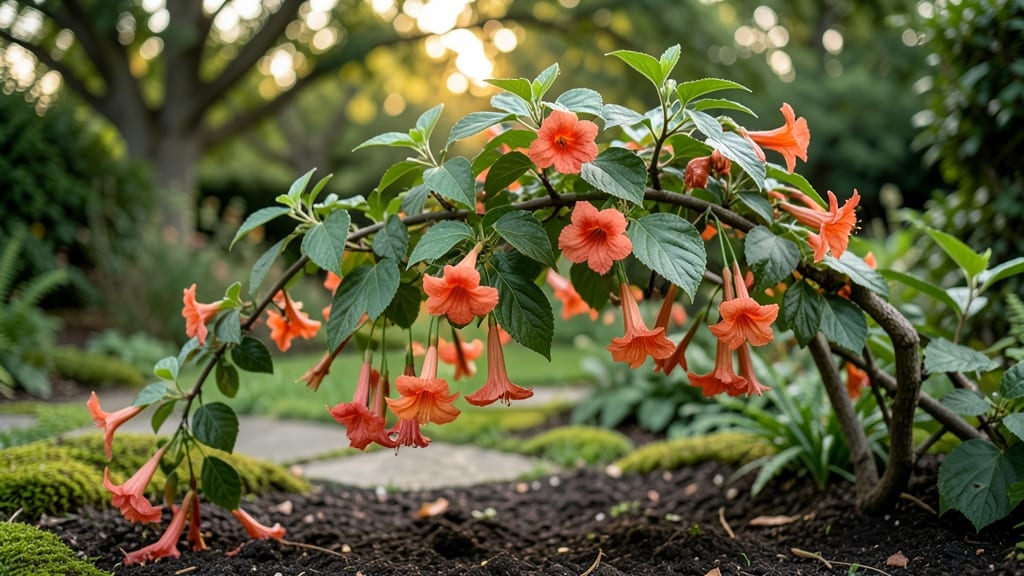
If you’ve ever dreamed of a garden bursting with fiery 🌸 trumpet vine blooms, timing is everything—and missing the flowering season could mean waiting years for those showstopping red-orange trumpets to appear.
This fast-growing vine thrives in USDA Zone 6a and beyond, but its bloom timing shifts dramatically depending on where you live.
In warmer southern climates, you might see those vibrant flowers as early as late May, while gardeners in cooler northern zones could be waiting until July before the real spectacle begins.
What if I told you there’s a simple way to push those blooms earlier—or even stretch the season longer? The secret lies in understanding your local climate, pruning at the right time, and feeding your vine just enough to keep it vigorous.
Let’s break down exactly when to expect those stunning flowers in your area—and how to make sure your trumpet vine puts on its best show.
Whether you’re a first-time gardener or a seasoned pro, these insights will help you transform your space into a hummingbird magnet. Ready to unlock the full potential of your trumpet vine? Let’s get started.
Exact trumpet vine flowering months by USDA hardiness Zone (with visual guide)
Timing your trumpet vine (Campsis radicans) planting to match its flowering season is everything if you want those show-stopping red-orange blooms to appear. Unlike many vines, trumpet vines thrive in warm climates but still bloom reliably across USDA Zones 4-11.
The key difference? Cooler zones see later blooms, while warmer zones enjoy earlier, longer flowering. Let’s break down exactly when to expect those stunning trumpet-shaped flowers in your area.
Trumpet vines are summer bloomers, but their exact timing shifts dramatically based on your USDA hardiness zone. In Zone 4, you might not see flowers until mid-to-late July, while Zone 10 gardeners can enjoy blooms as early as May.
The peak flowering period also varies—some zones get a 6-week bloom window, while others stretch it to 8+ weeks. Understanding these patterns helps you plan for pruning, fertilizing, and even hummingbird feeders!
Climate plays a huge role. Warmer zones with longer growing seasons (like Zones 8-11) often see earlier and more abundant blooms, sometimes even year-round in frost-free areas. Cooler zones (Zones 4-6) may experience shorter bloom seasons due to earlier frosts, but with the right care, you can still maximize their potential. Let’s dive into the specifics with this zone-by-zone visual guide to ensure you never miss a bloom!
If you’re in Zone 4 or 5, expect your trumpet vine to wait until summer to bloom, often aligning with hummingbird migration. These zones benefit from early spring planting (after last frost) to give the vine time to establish before blooming.
In Zone 6 and 7, you’ll see a longer bloom window, starting as early as late May and stretching into early fall. This is perfect for gardeners who want continuous color!
For Z
How to extend your trumpet vine’s flowering season (pro tips for longer blooms)
Your trumpet vine’s vibrant orange-red blooms can last longer than usual with the right care. Many gardeners struggle with short flowering seasons or sparse blooms, but I’ve found that a few targeted strategies can transform your vine into a year-round hummingbird magnet.
The key lies in understanding its growth habits and giving it the right conditions to thrive.
First, trumpet vines (Campsis radicans) naturally bloom in late spring to early fall, but with proper pruning and soil care, you can push those blooms earlier or extend them later.
For example, I’ve seen vines in USDA Zone 8 produce flowers as early as May and as late as October with the right techniques. Let’s dive into the actionable steps to make this happen in your garden.
- Prune in early spring to remove dead wood and encourage new growth that blooms earlier.
- Add compost or aged manure in early spring to boost nutrients for longer blooming.
- Ensure 6+ hours of sunlight daily—partial shade can delay or reduce blooms.
- Water deeply once weekly during drought periods to prevent stress-induced bud drop.
- Fertilize with balanced 5-10-10 in late spring to support flower production.
One of the biggest mistakes I see is pruning at the wrong time. Trumpet vines bloom on new wood, so pruning in late fall or winter can remove next year’s flower buds.
Instead, prune right after flowering or in early spring to shape the vine and encourage more vigorous growth. I recommend using clean, sharp pruners to avoid disease spread.
Don’t overlook the power of soil amendments. Trumpet vines thrive in well-draining, slightly acidic soil (pH 6.0-7.0). If your soil is clay-heavy or alkaline, amend it with compost or peat moss to improve drainage and nutrient availability.
I’ve found that adding a slow-release fertilizer in early spring gives my vines the boost they need for prolonged blooming.
For gardeners in cooler climates (Zones 4-6), extending the flowering season means protecting your vine from early frosts. Use mulch around the base to insulate roots and consider lightweight row covers for late-season blooms.
In warmer zones (Zones 7-11), focus on consistent watering to prevent heat stress, which can cause buds to drop prematurely.
If your trumpet vine is late to bloom or produces few flowers, check for these common issues: overcrowding, poor sunlight, or nutrient deficiencies. I once had a vine that barely bloomed until I moved it to a sunnier spot and reduced nearby competition.
Sometimes, all it takes is a little adjustment in care to unlock a stunning display of blooms.