
Lawn
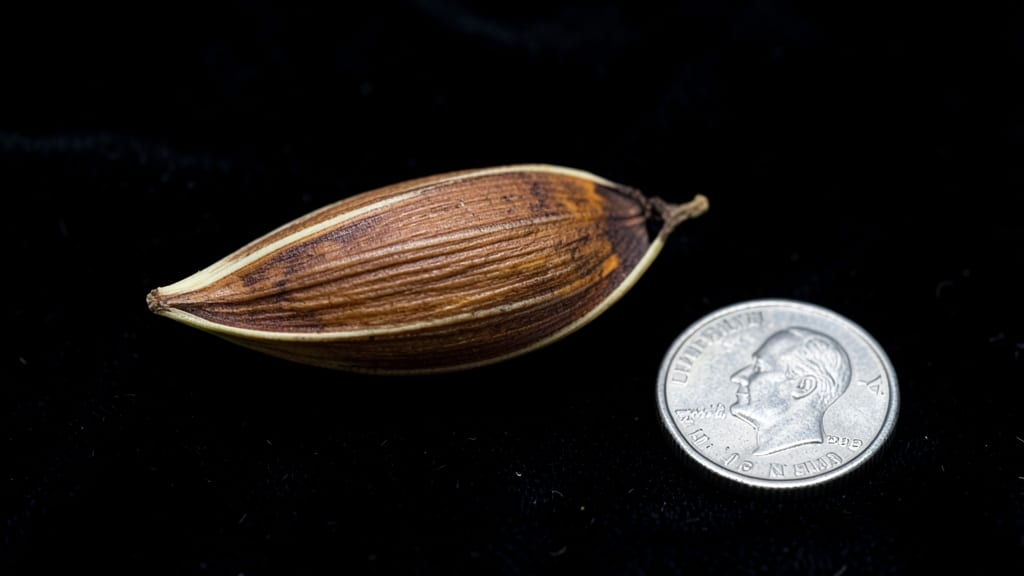
Did you know that the size of a sunflower seed—just a tiny 1/2 to 3/4 inch long—holds the power to grow plants reaching 12 feet tall? That’s right: what starts as a seed barely wider than your pinky finger can become a towering 🌻 that outshines your entire garden.
But here’s the catch: those minuscule seeds pack a surprising punch. Their compact size isn’t just about space—it’s about strategy. Whether you’re planting in Zone 6a or squeezing seeds into tight garden beds, understanding their dimensions helps you maximize germination and growth.
Too shallow, and roots struggle; too deep, and they’ll fight to break through.
Not all sunflower seeds are created equal, either. Giant varieties like ‘Mammoth’ need bigger seeds for their massive stature, while dwarf types like ‘Teddy Bear’ thrive with smaller ones.
The right spacing and depth can mean the difference between a 5-foot shrub and a 16-foot giant—all starting from that same tiny seed.
Ready to unlock the secrets? I’ll break down exactly how seed size affects planting, germination, and even your harvest. Let’s turn those small seeds into sun-soaked giants—starting with the right measurements.


Exact dimensions of a sunflower seed: microscopic measurements that matter
When you hold a sunflower seed in your palm, it's easy to overlook how its tiny dimensions hold the blueprint for a plant that can soar to 12 feet tall.
These seeds may measure just a fraction of an inch, but their size plays a critical role in germination success, nutrient storage, and even plant spacing in your garden. Understanding these measurements helps you plant with precision and maximize your sunflower yield.
The average sunflower seed measures approximately 0.5 to 1 inch in length, with a width of 0.25 to 0.5 inches and a depth of just 0.1 to 0.2 inches.
While they may seem insignificant, these dimensions are carefully optimized by nature to balance energy storage and rapid growth. Their compact size also makes them easy to handle, whether you're sowing directly in the soil or starting them indoors.
| Seed Type | Length | Width | Depth | Weight (avg.) |
|---|---|---|---|---|
| Sunflower Seed | 0.5–1 inch | 0.25–0.5 inch | 0.1–0.2 inch | 0.1–0.3 grams |
| Pumpkin Seed | 0.3–0.5 inch | 0.2–0.3 inch | 0.1 inch | 0.05–0.1 grams |
| Watermelon Seed | 0.2–0.3 inch | 0.1–0.2 inch | 0.05 inch | 0.01–0.03 grams |
| Chia Seed | 0.05–0.1 inch | 0.03–0.05 inch | 0.02 inch | 0.002–0.005 grams |
At just 0.1 to 0.3 grams, a sunflower seed is heavier than many other common seeds, like chia or watermelon, which reflects its high energy reserves. This extra weight comes from the endosperm, a nutrient-rich tissue that fuels the seedling's early growth.
The embryo, or baby plant, is nestled within this energy storehouse, ready to burst into action when conditions are right.
Comparing sunflower seeds to others like pumpkin seeds or watermelon seeds reveals how their size influences planting strategies.
Smaller seeds, such as chia, require finer soil contact and shallower planting, while sunflower seeds—though still compact—benefit from slightly deeper placement (1 inch deep) to protect their larger energy reserves from drying out during germination.
The seed coat of a sunflower seed is another critical feature, acting as a protective barrier against disease and physical damage. Its thickness and texture also influence how easily the seed absorbs moisture, a key factor in germination speed.
In my garden, I’ve noticed that seeds with slightly rougher coats tend to sprout faster after a good soak, as water clings more effectively to their surface.
Understanding these dimensions also helps with spacing calculations. Since sunflowers grow large, planting them too closely can lead to competition for nutrients and sunlight.
A good rule of thumb is to space seeds 6 inches apart in rows that are 2 feet apart, giving each plant room to develop its massive root system and towering stem without crowding.
For gardeners experimenting with giant sunflower varieties, seed size can vary slightly. While standard sunflower seeds remain within the 0.5 to 1-inch range, some heirloom or hybrid varieties may produce slightly larger seeds, sometimes reaching up to 1.25 inches in length.
These larger seeds often correlate with faster early growth, as they contain even more stored energy to support vigorous root development.
If you're storing sunflower seeds for next season, their size and weight play a role in storage longevity. Larger seeds tend to have slightly better moisture resistance, making them ideal for long-term storage.
I like to keep my seeds in a cool, dry place in paper envelopes, away from direct sunlight, to preserve their viability for up to 2 years.
Proper storage ensures that when you’re ready to plant, your seeds still pack the same growth potential they did when first harvested.
In summary, the size of a sunflower seed is a marvel of nature’s efficiency—balancing compactness with the power to produce towering plants. Whether you're a beginner or a seasoned gardener, paying attention to these microscopic measurements can help
How tiny seed size determines giant sunflower growth: science behind the magic
Sunflowers start their journey as tiny seeds—often just 0.5 to 1 inch long—yet they grow into towering giants reaching 12 feet or more. This incredible transformation begins with how their compact size stores energy and triggers rapid growth.
The secret lies in their seed anatomy, where every millimeter plays a critical role in unlocking massive potential.
Those small seeds pack a powerful punch because they efficiently store nutrients and energy in their endosperm, the food reserve that fuels the seedling's first days. The embryo inside is perfectly proportioned to maximize nutrient absorption, allowing roots to penetrate soil quickly.
This early growth spurt sets the stage for the plant's explosive upward expansion.
- 0.5–1 inch length stores maximum energy in minimal space, fueling rapid root growth.
- Thin seed coat allows quick water absorption, speeding up germination.
- Compact embryo prioritizes vertical growth over leaf development early on.
- High nutrient density in endosperm supports 6–12 ft stems within months.
- Shallow planting depth (1 inch) ensures roots access moisture without wasting energy.
In the garden, this seed size advantage translates to practical tips for planting. Sunflower seeds should be sown 1 inch deep—any deeper risks stunting root growth, while shallower planting exposes them to drying out.
Their small footprint also means you can space them 6–12 inches apart, maximizing yield in limited garden beds.
Soil depth matters too: sunflowers need at least 12–18 inches of loose soil to develop strong taproots. The seed's compact size ensures it can establish roots quickly in well-drained soil, while heavier soils may slow germination.
This is why sandy loam is ideal—it balances moisture retention with aeration for those tiny seeds.
Don't overlook seed size variations across sunflower types. Dwarf varieties have slightly larger seeds relative to their mature size, while giant sunflowers pack even more energy into their seeds to support their 12+ ft stature. Choosing the right variety means selecting seeds optimized for your space and climate goals.
Next time you hold a sunflower seed, remember: its tiny dimensions hold the key to a giant harvest. With the right soil, spacing, and care, those 0.5-inch seeds can transform your garden into a sunflower jungle—one 12-foot stalk at a time. 🌻