
Plants
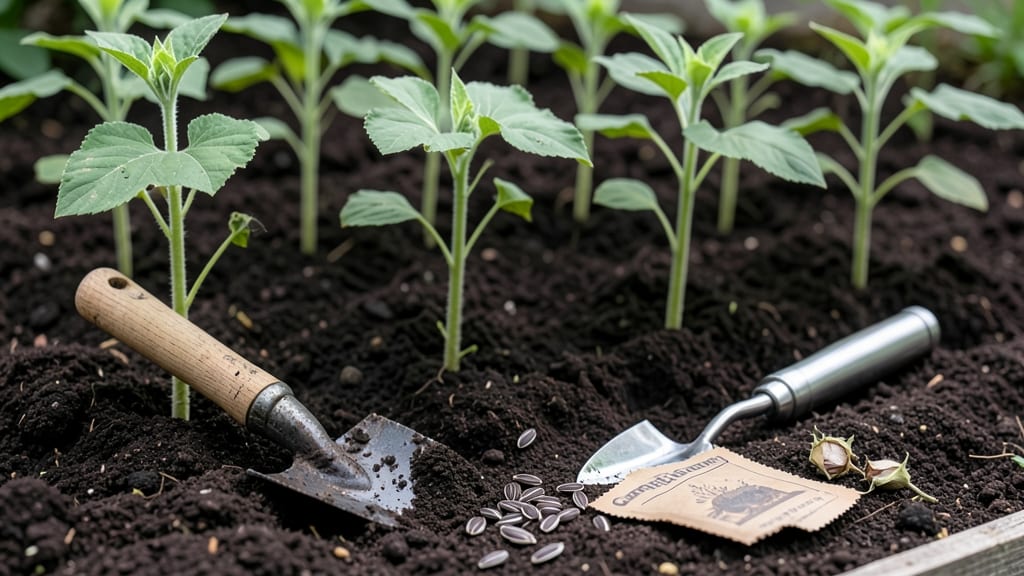
Planting sunflower seeds at the wrong time in Zone 6 can mean waiting weeks—or even months—for those cheerful 🌻 blooms to appear.
The key to fast germination and towering stems lies in understanding your local frost dates and soil temperature, which can make all the difference between a thriving garden and a disappointing flop.
In Zone 6 (General), where last frost typically arrives around mid-April, the real magic happens after that date. But don’t rush—soil needs to warm up to at least 60°F for seeds to sprout quickly.
Waiting until early June ensures your sunflowers have enough time to mature before the first frost hits in October.
Whether you’re direct-sowing or starting indoors, timing matters more than you think. A few weeks too early could mean stunted growth, while planting too late might leave you admiring your neighbors’ sunflowers instead of your own.
Let’s break down exactly when to plant for fast, reliable results in your Zone 6 garden.
From choosing the right varieties to adjusting for unpredictable spring weather, I’ll share the exact steps to get your sunflowers off to a flying start. Ready to turn your garden into a sunflower spectacle? Let’s get growing!
Zone 6 sunflower planting timeline: frost dates & soil temperature guide
Sunflowers thrive in Zone 6 when planted at the right time—typically after the last frost date, which usually falls around April 15 but can vary by 1-2 weeks depending on your exact location.
The key to success lies in soil temperature and frost-free windows, both of which directly impact germination speed and plant health.
In my garden, I’ve learned that rushing sunflower seeds into cold soil (below 60°F) can stall growth for weeks, while waiting too long risks shorter plants before the first frost in mid-October.
Most sunflower varieties need 60-85°F soil temperatures to germinate reliably. If your soil is still chilly in early spring, you can use black plastic mulch or a seedling heat mat to warm it up faster.
I’ve found that planting in early May gives my sunflowers the best balance of warmth and daylight for strong stems and vibrant blooms. For late varieties, you can push planting to early June, but be mindful of your first frost date—most sunflowers need 80-120 days to mature.
Here’s a quick reference for your Zone 6 sunflower planting timeline, including soil temp checks and frost-free windows:
To check your local frost dates, I recommend using the USDA Plant Hardiness Zone Map or your local cooperative extension service. For example, in Chicago (Zone 6a), the last frost is often around May 1, while in Raleigh (Zone 6b), it’s closer to April 15.
Always plant 2-3 weeks after your average last frost date to account for late cold snaps. I’ve lost entire rows of sunflowers to unexpected frosts, so I now use frost cloth for extra protection during early spring plantings.
Soil temperature is just as critical as frost dates. Use a soil thermometer to confirm your garden beds are above 60°F before planting. If your soil is still cool, try planting in raised beds, which warm up faster than ground soil.
In my experience, sunflower seeds sown into 55°F soil may take 2-3 weeks to sprout, while seeds in 70°F+ soil germinate in just 5-7 days. Patience pays off—waiting for the right conditions ensures stronger, healthier plants.
For gardeners in Zone 6a (colder microclimates), I suggest starting with early-maturing varieties like 'Autumn Beauty' or 'ProCut,' which can complete their life cycle before the first frost. In Zone 6b (warmer areas), you have more flexibility to plant taller varieties like 'Russian Giant' or 'Mammoth.'
Always read the days-to-maturity label on seed packets—this tells you how many days your variety needs from seed to harvest, helping you calculate your planting window accurately.
One trick I’ve used to extend the growing season is succession planting. Instead of planting all your sunflowers at once, sow a small batch every 2 weeks from late April through early June.
This ensures a continuous harvest and reduces the risk of losing your entire crop to frost or pests. Just be sure to space your plantings 6-12 inches apart to avoid overcrowding, which can lead to weak stems and fewer blooms.
If you’re unsure about your soil temperature or frost dates, consider starting sunflower seeds indoors 2-3 weeks before your target outdoor planting date. Use biodegradable pots and transplant seedlings outdoors after the last frost, burying the pots halfway to encourage root growth.
This method gives you a head start and helps compensate for any delays in your outdoor planting schedule. Just remember to harden off seedlings for a week before transplanting to avoid shock.
Finally, don’t forget that sunflow
How to adjust sunflower planting for Zone 6’s unpredictable spring weather
Zone 6’s unpredictable spring weather can turn your sunflower dreams into disappointment if you’re not prepared. Late frosts and cold snaps often strike after your average last frost date, while soil moisture fluctuations can delay germination. The key is flexibility—adjusting your planting strategy to match Mother Nature’s mood swings.
Sunflower seeds need consistent soil temperatures between 60-85°F to germinate reliably. In Zone 6, this often means waiting until mid-to-late May in most regions, but soil warming tricks can give you an earlier start if needed. Don’t rush—slow, steady growth beats weak seedlings struggling in cold soil.
⚠️ callout-warning ⚠️
Even if your last frost date passes, soil temps may still be too cold. Test with a soil thermometer—if it’s below 55°F, wait. Cold soil causes seeds to rot instead of sprout. Zone 6’s average last frost is April 15, but actual safe planting often waits until May 1.
Pro Tip: Use black plastic mulch 1-2 weeks before planting to warm soil faster. Remove it after seeds sprout to avoid overheating.
To protect young sunflowers from late frosts, use row covers or cloches (glass jars) over seedlings until they reach 6 inches tall. These lightweight covers trap heat during the day and insulate at night.
For extra security, plant fast-maturing varieties like 'Moulin Rouge' (55-60 days) or 'Autumn Beauty' (60-70 days) to beat frost before first frost.
If your soil stays too wet or cold after planting, create raised beds with compost and sand to improve drainage. Waterlogged soil suffocates roots and invites damping-off disease. Once seedlings emerge, thin them to 12-18 inches apart—crowded plants compete for nutrients and light, weakening their frost resistance.
For a backup plan, save seeds from your best sunflowers and plant a second batch in early July. Late-summer sunflowers may not reach full height, but they’ll still bloom beautifully and provide seeds for next year.
This strategy also extends your harvest window into early fall, when many gardeners face pest pressure.
Monitor your garden daily after planting. Sunflowers grow 2-3 inches per day in ideal conditions, but stress from cold or drought slows them down. If leaves yellow or stems wilt, adjust watering or add mulch to retain moisture.
With these adjustments, you’ll turn Zone 6’s unpredictable spring into your sunflowers’ superpower.