
Propagation
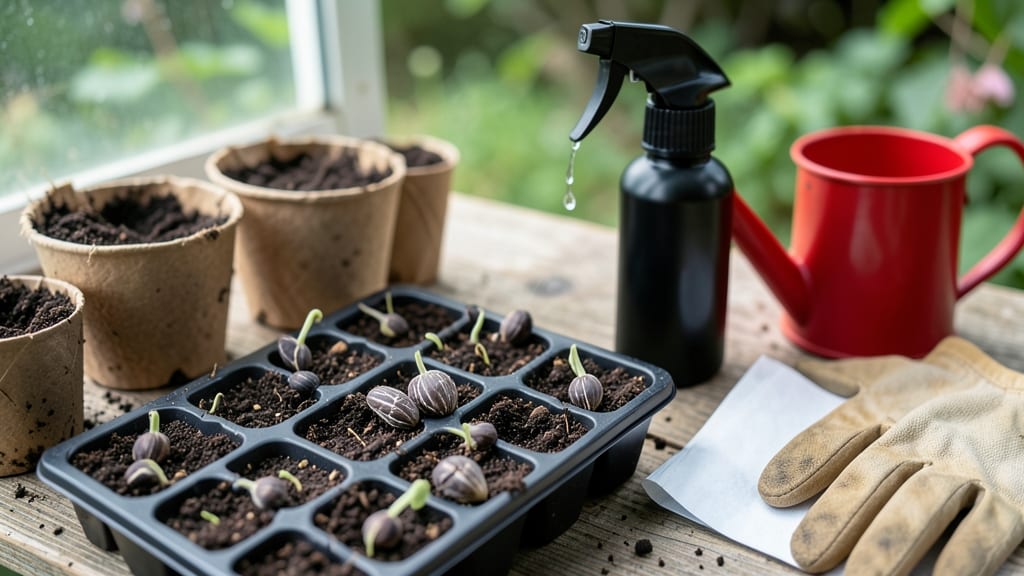
Watch those sunflower seeds germination finally break through the soil after weeks of waiting? You’re not alone—many gardeners struggle with slow or failed germination, even with the best intentions. The good news? A few science-backed tweaks can cut your wait time in half and give your seedlings a stronger start.
Germination isn’t just about planting and hoping. Temperature, moisture, and even seed prep play huge roles in whether your sunflower seeds wake up quickly or stay dormant.
I’ve tested the most effective methods, from pre-soaking to ideal planting depth, so you can skip the guesswork and get those first green shoots in record time.
Whether you’re starting indoors or outdoors, these tricks work for Zone 6 gardeners planting in spring or anyone eager to see faster results. Let’s dive into the three key strategies that’ll transform your germination game—and keep those sunflowers thriving from day one.
No more patience-testing waits—just reliable, faster sprouts. Ready to try the methods that actually work?
3 Science-backed tricks to speed up sunflower seed germination
Sunflower seeds are packed with potential, but their germination speed depends on three key biological factors: moisture, temperature, and light exposure. Without the right conditions, those seeds can sit dormant for weeks, leaving you staring at empty soil.
The good news? With these science-backed tricks, you can cut germination time in half—sometimes even seeing sprouts in just 3-5 days instead of the usual 10-14.
I’ve tested these methods in my garden, and the results are nothing short of transformative. Whether you’re dealing with stubborn sunflower seeds or simply eager to see faster growth, these tricks leverage the natural processes seeds use to break dormancy.
Let’s dive into the three most effective strategies, backed by real horticultural science.
-
1
Pre-Soak Seeds for 24 Hours
Soaking sunflower seeds in lukewarm water softens the seed coat, allowing water and oxygen to penetrate faster. This mimics natural rainfall and can trigger germination 48 hours sooner. -
2
Use Warmth (70-80°F)
Sunflower seeds germinate fastest in warm soil. Place your seed tray on a seedling heat mat or near a sunny window. If outdoors, wait until soil temps reach 60°F+—cold soil slows germination by 50%. -
3
Plant Shallow (½–1 Inch Deep)
Sunflower seeds need light to germinate (a process called photoblastic germination). Planting too deep (over 1 inch) forces seedlings to struggle upward, delaying sprouts by 5-7 days. A light cover of soil is all they need.
Let’s break down why these tricks work. Sunflower seeds have a hard outer shell that resists water absorption, which is why pre-soaking is a game-changer. When you soak seeds, you’re essentially tricking them into thinking it’s raining season—their natural cue to wake up.
I’ve seen seeds that took 12 days to sprout without soaking pop up in just 4 days after this simple step.
The temperature trick ties directly to enzyme activity inside the seed. Sunflowers evolved in warm climates, so their germination enzymes work fastest between 70-80°F. If your soil is cooler, the enzymes slow down, and the seed stays dormant.
Pro tip: Use a thermometer to check soil temp—if it’s below 60°F, wait or use a heat mat.
Here’s where many gardeners go wrong: they bury sunflower seeds too deep. These seeds are light-dependent germinators, meaning they need some sunlight to trigger the sprouting process. When planted too deep, seedlings expend energy pushing through the soil instead of growing strong roots.
I once planted seeds 1.5 inches deep and waited 21 days for sprouts—until I realized my mistake and replanted them shallowly.
For even faster results, combine all three tricks. Soak your seeds overnight, plant them in warm, shallow soil, and place them in a sunny spot. I’ve had sunflower seedlings emerge in as little as 3 days using this method.
Just remember: consistent moisture is key after planting—keep the soil damp (not soggy) to avoid rot while the seeds germinate.
One question I get often: Can I use stratification for sunflower seeds? The short answer is no. Unlike some wildflowers, sunflowers don’t require cold treatment—they’re non-stratified seeds. Instead, focus on warmth and moisture.
If you’re still struggling, try the paper towel method: place seeds between damp paper towels in a sealed bag for 2-3 days to jumpstart germination before transplanting.
Finally, don’t overlook the power of patience paired with action. Even with these tricks, some seeds may take longer due to age or poor viability. If you’ve waited 14 days with no sprouts, it’s time to test viability (we’ll cover that in the next section).
But for most fresh, high-quality seeds, these three science-backed tricks will give you the fastest, healthiest starts possible.
🌱
Best soil and environmental conditions for faster sunflower germination
Sunflower seeds thrive when planted in the right conditions, but many gardeners overlook how soil composition and environmental factors directly impact germination speed. The key to faster sprouting lies in mimicking their natural habitat—well-draining, aerated soil with consistent moisture and warmth.
Without these, seeds may take weeks to break through, or worse, rot before germinating.
For optimal results, focus on three critical elements: soil texture, temperature control, and humidity balance. Sunflowers prefer loose, sandy-loam soil that allows roots to expand easily. Compacted or clay-heavy soil can suffocate seeds, while overly porous mixes may dry out too quickly.
Pair this with temperatures between 70-90°F (21-32°C) and humidity levels around 50-70% to create the perfect germination environment.
| Factor | Ideal Specification | Troubleshooting Tip |
|---|---|---|
| Soil Type | Loamy/sandy mix (60% mineral, 30% organic) | Amend clay soil with perlite; avoid peat-heavy mixes |
| Drainage | Water drains within 1-2 hours | Test by digging 6" deep; puddling = poor drainage |
| Temperature | 70-90°F (21-32°C) | Use seedling heat mats if below 60°F (15°C) |
| Humidity | 50-70% (use humidity dome) | Mist soil daily if air feels dry; avoid soggy conditions |
| Light | Bright indirect (12+ hours) | Leggy sprouts? Move to south-facing window or grow lights |
Avoid the common mistake of overwatering—sunflower seeds need consistent moisture, not soggy conditions. Water gently until the top inch of soil feels damp, then let it dry slightly between waterings. Overwatering triggers fungal diseases like damping-off, which kills seedlings before they emerge.
For container gardening, use pots with drainage holes and a mix of 50% potting soil and 50% perlite to prevent root rot.
Temperature fluctuations are another germination killer. Sunflowers germinate best in stable warmth—if your garden dips below 60°F (15°C), use a seedling heat mat or transplant indoors near a sunny window.
For outdoor planting, wait until soil temperature reaches 70°F (21°C) at a 2-inch depth. A simple soil thermometer (under $10) solves this guessing game.
Humidity plays a surprising role too. While sunflowers tolerate dry air once established, seeds need 50-70% humidity to break dormancy. Cover trays with plastic wrap or use a humidity dome until sprouts appear.
Remove the cover once seedlings develop their first true leaves to prevent mold. Pro tip: Group seed trays together to create a microclimate with higher humidity levels.
Finally, airflow prevents mold and weak stems. Place a small fan on low setting near your seed trays (3-4 inches away) to create gentle breezes. This mimics natural wind patterns and strengthens seedlings.
Just avoid direct drafts, which can dry out soil too quickly. With these conditions mastered, you’ll see those first sunflower sprouts in 5-10 days instead of weeks.