
Flowers
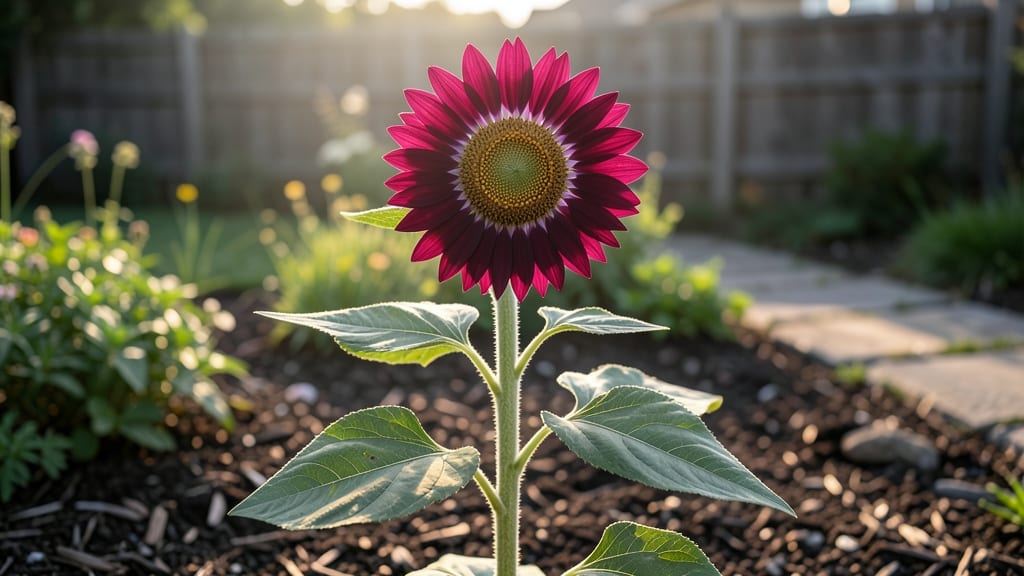
If you're wondering how tall do purple sunflowers grow, the answer might surprise you—these striking blooms can reach anywhere from 3 feet to a towering 12 feet, depending on the variety and growing conditions.
Whether you're planning a dramatic garden backdrop or a compact container display, knowing these height ranges helps you choose the perfect 🌻 Purple Sunflower for your space.
Popular varieties like 'Moulin Rouge' and 'Purple Sunbird' showcase the dramatic range, with some dwarf types staying under 3 feet while others stretch toward the sky.
The key to maximizing their height lies in factors like sunlight exposure, soil quality, and even watering habits—all of which we’ll break down to help you grow the tallest (or shortest) sunflowers possible.
For gardeners in USDA Zone 6a, timing is everything—planting in April or May gives these sunflowers the best chance to thrive. Whether you're aiming for a 6-foot centerpiece or a 12-foot statement piece, understanding their growth potential ensures your garden will be the talk of the neighborhood.
Ready to transform your outdoor space? Let’s dive into the varieties, care tips, and secrets to growing Purple Sunflowers that will leave your neighbors in awe—no matter how tall (or short) you want them to be.


Purple sunflower height ranges by popular varieties
If you're planning a garden with purple sunflowers, their height can vary dramatically depending on the variety. Some stay short and manageable, while others grow tall enough to become stunning focal points. Understanding these differences helps you choose the perfect cultivar for your space and design goals.
Purple sunflowers, part of the Helianthus annuus family, come in three main height categories: dwarf varieties (under 3 feet), medium-height varieties (3-6 feet), and giant varieties (8-12 feet). Each type offers unique benefits, whether you're working with a small balcony or a sprawling backyard.
Here's a detailed breakdown of the most popular purple sunflower varieties and their expected height ranges, so you can plan your garden layout with confidence.
| Variety | Height Range | Best For | Notes |
|---|---|---|---|
| Moulin Rouge | 8-12 ft | Large gardens, borders | Classic deep purple blooms; needs staking |
| Purple Sunbird | 3-5 ft | Containers, small gardens | Compact with vibrant purple petals |
| Teddy Bear | 2-3 ft | Cut flowers, small spaces | Double blooms; great for bouquets |
| Purple Beauty | 6-8 ft | Backyard borders, cut flowers | Deep purple with yellow centers |
| Little Becka | 2-3 ft | Patio pots, window boxes | Dwarf variety with bright purple blooms |
| Purple Sunset | 7-9 ft | Focal points, large containers | Rich purple with long vase life |
The Moulin Rouge variety is one of the most popular giant purple sunflowers, reaching heights of 8-12 feet. This makes it perfect for creating dramatic focal points in large gardens or as a stunning backdrop for other plants.
However, its towering stature requires staking or support to prevent toppling in windy conditions.
If you're working with limited space, the Teddy Bear and Little Becka varieties are excellent choices. Both stay under 3 feet tall while still producing vibrant purple blooms. These dwarf varieties are ideal for containers, window boxes, or small gardens where space is at a premium.
For a balanced approach, consider medium-height varieties like Purple Sunbird or Purple Beauty. These typically grow between 3-8 feet tall, making them versatile for borders, mixed flower beds, or even large containers. They offer the best of both worlds—height and manageability.
When selecting your purple sunflower varieties, also consider their bloom time and flower size. Some varieties, like Teddy Bear, produce double blooms that are perfect for cut flowers, while others like Moulin Rouge have single blooms with striking color intensity.
Pro tip: If you're growing tall purple sunflowers like M
Factors that influence purple sunflower growth height
If you've ever planted purple sunflowers and wondered why some reach towering heights while others stay short, the answer lies in a mix of genetics, environmental conditions, and your care routine.
These vibrant blooms can grow anywhere from 2 feet to over 10 feet, but their final height depends on factors you can control—like sunlight exposure and soil quality. Let's explore how to help your sunflowers grow to their full potential.
First, the variety you choose plays the biggest role in height. Some dwarf varieties like 'Teddy Bear' stay under 3 feet, while giants like 'Russian Giant' can soar to 12 feet. But even within the same variety, your growing conditions can push them taller or keep them shorter.
For example, a 'Moulin Rouge' sunflower might only reach 6 feet in partial shade but could hit 10 feet with full sun and proper care.
- 🌱 Genetics: Choose tall varieties like 'Russian Giant' (10-12 ft) or dwarf types like 'Purple Sunbird' (2-3 ft). Height is often set at planting.
- ☀️ Sunlight: Full sun (6+ hours daily) maximizes growth—shade can reduce height by 30-50%. South-facing spots are ideal.
- 💧 Watering: Deep watering (1-2 gallons per plant) encourages strong stems. Drought stress can stunt growth by up to 40%.
- 🌿 Soil Quality: Well-draining, nutrient-rich soil (pH 6.0-7.0) supports taller growth. Compacted soil restricts root development.
- ✂️ Pruning: Remove lower leaves to improve airflow, but avoid heavy pruning—it can reduce height by 1-2 feet.
One of the most critical factors is sunlight exposure. Purple sunflowers are sun-worshippers and need at least 6-8 hours of direct sunlight daily to reach their maximum height. If you notice your sunflowers growing leggy or leaning, they're likely not getting enough light.
Try moving them to a sunnier spot or use reflective surfaces like white walls to bounce light onto their leaves. Even a few hours less sun can cut their height by 20-30%.
Don't overlook the importance of watering techniques. While sunflowers are drought-tolerant once established, they need consistent moisture during their first 6-8 weeks to develop strong stems. Water deeply at the base in the morning to prevent fungal diseases, and avoid wetting the leaves.
Overwatering can lead to weak stems that struggle to support the plant's weight, while underwatering can stunt growth. Aim for 1-2 gallons per plant every 3-5 days, adjusting for your climate.
Finally, soil quality and fertilization play a surprising role in height. Purple sunflowers thrive in well-draining soil with a pH between 6.0 and 7.0. Amend heavy clay soil with compost to improve drainage, and avoid over-fertilizing with nitrogen, which promotes leafy growth at the expense of height.
Instead, use a balanced fertilizer (5-10-10) every 4-6 weeks during the growing season to encourage strong, upright stems. Mulching around the base also helps retain moisture and regulate soil temperature.
With the right conditions, your purple sunflowers can become the stunning centerpiece of your garden, reaching heights that rival a basketball hoop. Pay attention to sunlight, watering, and soil, and you'll be rewarded with towering blooms that turn heads all summer long. Happy growing! 🌻