
Diseases
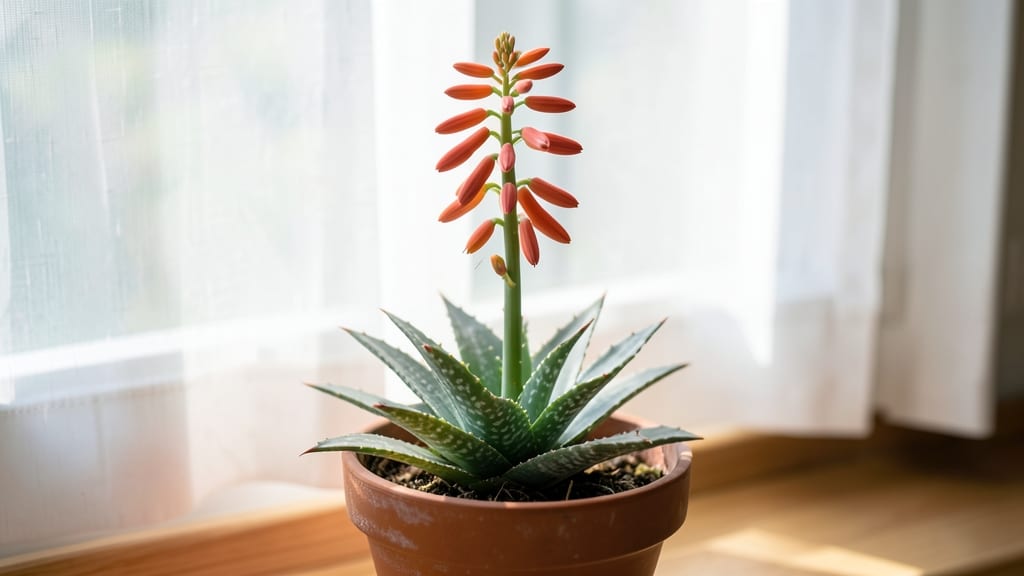
Seeing that unexpected yellow flower sprouting from your aloe vera 🌱 isn’t just a quirky plant quirk—it’s your plant’s SOS signal.
While most aloe lovers know these succulents are all about the soothing gel, that vibrant bloom means something’s off with your care routine, and ignoring it could stress your plant even more.
This unusual flowering often appears when your aloe vera feels overwatered, undersunlit, or even nutrient-starved. Unlike the rare orange-red blooms healthy aloe sometimes produce, yellow flowers scream "help me!"—a sign your plant is fighting to survive rather than thrive.
The good news? With a few simple adjustments, you can turn this warning into a comeback story for your aloe vera.
In this guide, I’ll break down exactly what those yellow flowers mean, how to diagnose the real problem, and the 3-step fix to restore your plant’s health. Whether you’re dealing with Zone 6 winters or indoor light struggles, these solutions work for every aloe keeper—no green thumb required.
Let’s get your aloe vera back on track before those yellow blooms become a permanent fixture. The first step? Understanding why your plant is speaking in flowers instead of leaves.
Why your aloe vera has a yellow flower (and what it means)
Seeing a yellow flower sprouting from your aloe vera can feel alarming, especially when you’re used to its classic green, spiky leaves. But this vibrant bloom isn’t a sign of disease—it’s actually a natural response to specific conditions your plant is experiencing.
Unlike the rare orange or red blooms of other aloe varieties, yellow flowers in aloe vera (or closely related species like aloe arborescens) often signal stress or a shift in the plant’s lifecycle.
Most gardeners assume yellow flowers mean their aloe is dying, but the truth is far more fascinating. These flowers appear as a survival mechanism when your plant senses changes in its environment, such as insufficient sunlight, nutrient depletion, or even root-bound stress.
Understanding this process can help you adjust care routines to keep your aloe thriving—even after the bloom fades.
⚠️ callout-warning
⚠️ Yellow Flowers ≠ Disease
Contrary to popular belief, yellow flowers on aloe vera aren’t a sign of infection or rot. They’re a stress-induced bloom, often triggered by:
- ⚡ Inconsistent sunlight (e.g., moving from indoors to outdoors)
- 💧 Overwatering or underwatering disrupting root health
- 🌡️ Temperature fluctuations (common in spring/fall)
- 🪴 Root-bound conditions (pots too small for growth)
⚠️ Action Required: Check soil moisture and repot if roots are circling.
When your aloe vera produces yellow flowers, it’s often a sign that the plant is entering a reproductive phase triggered by environmental stressors.
Unlike the orange-red blooms of aloe arborescens, which are more common in mature plants, yellow flowers typically appear in aloe vera hybrids or when the plant is pushed to bloom prematurely.
This can happen if your aloe is suddenly exposed to more sunlight after a period of shade or if it’s nutrient-deficient.
One common misconception is that yellow flowers indicate poor health, but in reality, they’re a defense mechanism. Think of it like a stress signal: your aloe is telling you it’s time to adjust its care.
For example, if you recently moved your plant to a sunnier spot, the sudden light change might trigger flowering. Similarly, if your aloe has been underwatered for months, it may bloom as a way to conserve energy and redirect resources.
The lifecycle stage of your aloe vera also plays a critical role. Mature aloe plants (typically 3+ years old) are more likely to produce flowers, but younger plants can bloom under stress.
If your aloe is less than 2 years old and suddenly flowers, it’s a clear sign of environmental imbalance. Pay close attention to its watering schedule and light exposure—these are the two biggest triggers for premature blooming.
Another key factor is the type of aloe vera you’re growing. While true aloe vera (Aloe barbadensis) rarely produces yellow flowers, many hybrid varieties or closely related species (like aloe dichotoma) may develop them.
If you’re unsure about your plant’s species, check the leaf thickness and growth pattern: thicker, rosette-shaped leaves are more likely to bloom yellow under stress.
To confirm whether your aloe’s yellow flowers are a positive or negative sign, observe the rest of the plant. Healthy leaves should remain plump and green, while stressed leaves may show yellowing tips or soft spots.
If the flowers appear alongside leaf discoloration or wilting, your aloe is likely overwatered or root-bound. In contrast, a plant with firm leaves and yellow flowers only is simply communicating its need for adjusted care.
If you’re growing aloe vera in indoor conditions, yellow flowers often appear due to low light levels. Aloe vera thrives on 6+ hours of bright, indirect sunlight daily.
If your plant is near a north-facing window or under artificial grow lights, the lack of sufficient light can trigger stress blooming. Move your aloe to a south-facing window or supplement with a grow light to encourage healthier growth and reduce the likelihood of future yellow blooms.
Finally, don’t ignore the flower’s lifespan. Yellow aloe flowers typically last 1-2 weeks before wilting. Once they fade, you can prune them off to redirect the plant’s energy into leaf production. This is also a great time to check the roots for signs of rot or overcrowding.
If the roots are circling the pot or appear mushy, it’s time to repot your aloe into a slightly larger container with fresh, well-draining soil.
Remember, your aloe vera’s yellow flower isn’t a cause for panic—it’s an opportunity to reassess its care routine. By addressing the underlying triggers (like light, water, or pot size), you’ll help your plant return to its healthy, leafy state while preventing future stress-induced blooms. 🌱
How to care for aloe vera after yellow flowering (step-by-step)
When your aloe vera produces yellow flowers, it’s a clear sign your plant is under stress. These blooms typically appear when your aloe is mature (3+ years old) but can also signal overwatering, nutrient deficiencies, or light issues.
The good news? With the right care, you can help your aloe recover and prevent future stress-induced flowering.
Yellow flowers on aloe vera often mean your plant is trying to reproduce early due to environmental factors. Unlike the rare orange-red blooms of healthy aloe, yellow flowers indicate poor health. The key is acting quickly—pruning, adjusting water, and optimizing light can restore your aloe’s vitality within weeks.
🌱 Step-by-Step Recovery Plan
-
Step 1: Prune the Yellow Flowers
Use sterilized pruning shears to cut the yellow flower stalk at the base. This redirects energy to leaf growth instead of reproduction. Do this immediately to prevent further stress. -
Step 2: Adjust Watering Habits
Let the soil dry completely between waterings. Yellow flowers often signal overwatering—stick your finger 2 inches into the soil. If damp, wait 10-14 days before watering again. -
Step 3: Optimize Sunlight Exposure
Move your aloe to bright indirect light (e.g., south-facing window). If outdoors, provide morning sun + afternoon shade to avoid leaf burn, which worsens stress. -
Step 4: Check Soil Nutrients
Yellow flowers can indicate low potassium or phosphorus. Repot with cactus/succulent mix and add a balanced fertilizer (2-7-2 NPK) lightly in spring or fall. -
Step 5: Inspect for Pests/Disease
Look for mealybugs or root rot (mushy stems). Treat with neem oil or repot in fresh soil if roots are rotting. Healthy roots = no yellow flowers next time!
After pruning, reduce watering to every 3-4 weeks (outdoors) or every 10-14 days (indoors). Monitor your aloe’s leaves for new growth—healthy leaves should be thick, upright, and green. Avoid fertilizing for 6 weeks post-pruning to let the plant recover.
Long-term, keep your aloe in well-draining soil and bright light to prevent stress. If yellow flowers reappear, it’s a sign of chronic overcare. Adjust your routine: less water, more light, and minimal fertilizer will keep your aloe thriving without unwanted blooms.
With these steps, your aloe vera should bounce back within 4-8 weeks. The key is consistency—aloe vera is resilient, but it needs your attention to stay healthy and flower-free! 🌿