
Blooming
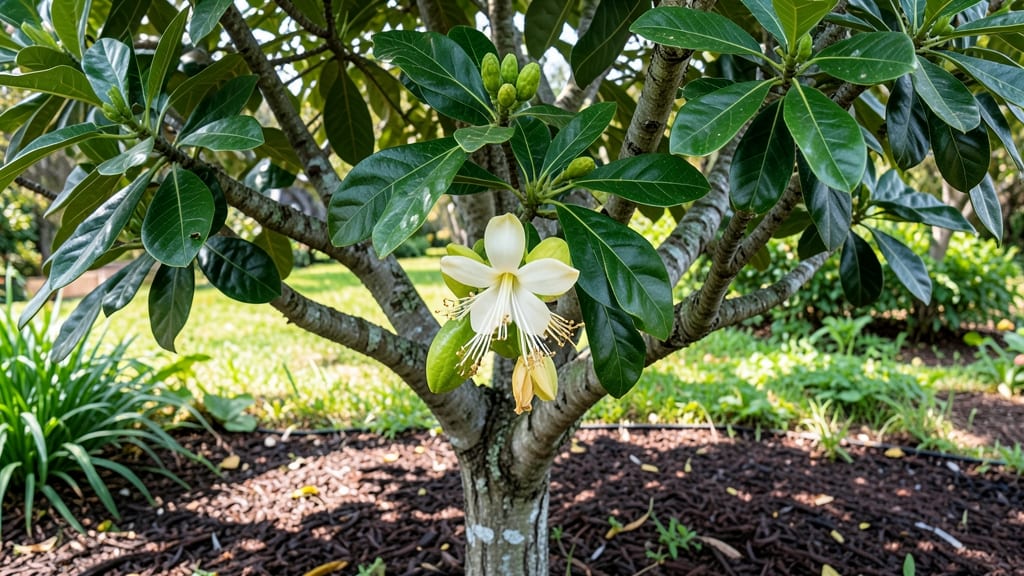
Understanding your avocado tree’s flower stages is the key to unlocking a bountiful harvest—because those tiny blooms hold the secret to whether your 🥑 will produce fruit or fade away.
What most gardeners miss is how each stage interacts with pollinators and environmental conditions, making the difference between a sparse crop and a tree heavy with avocados.
From the moment those first delicate flowers appear, your tree is already telling a story about its health and future yield. I’ve watched my own avocado blossoms go from hopeful buds to either thriving fruit or disappointing failures, and the turning point always came down to recognizing these stages early.
Whether you’re a seasoned grower or just starting with your first tree, knowing what to look for—and when—can transform your approach to pollination.
In this guide, I’ll walk you through each critical phase of avocado flower development, from the initial bud to the moment pollination either succeeds or falls short.
You’ll learn how to spot the subtle differences between male and female flowers, why timing matters more than you think, and the simple (but often overlooked) steps to give your tree the best chance at setting fruit. Let’s dive in.
By the end, you’ll have a clear roadmap for optimizing your avocado’s flowering process, avoiding common pitfalls, and giving your tree the conditions it needs to reward you with a harvest you can be proud of. Ready to turn those flowers into fruit?
The 3 critical avocado flower stages and their role in fruit development
Did you know your avocado tree’s flowers reveal everything about its future fruit yield—if you know what to look for? Understanding these delicate stages can transform your harvest from sporadic to abundant.
Avocado trees produce three distinct flower types: Type A (female), Type B (male), and transitional flowers. Each plays a unique role in pollination, and their timing determines whether your tree will bear fruit—or not.
The flowering process in avocados is a fascinating dance of biology and environment. Type A and Type B flowers don’t bloom simultaneously, which is why some trees need a partner or careful hand-pollination.
Transitional flowers act as a bridge, but their presence can be tricky to spot. If you’ve ever wondered why some flowers drop off without fruiting, the answer lies in these stages.
Key environmental triggers like temperature, humidity, and daylight hours influence when each flower type appears. For example, Type A flowers typically emerge in spring or early summer, while Type B flowers follow 6–8 weeks later. This staggered timing is crucial for successful pollination. Without it, your tree might produce flowers but fail to set fruit.
Here’s a quick breakdown of what each stage looks like and why it matters:
| Flower Type | Bloom Time | Petal Color | Role in Pollination | Fruit Potential |
|---|---|---|---|---|
| Type A (Female) | Spring/Early Summer | Pale green to yellow | Receptive to pollen; must be pollinated by Type B flowers | High (if pollinated) |
| Type B (Male) | 6–8 weeks after Type A | Darker green to purple | Produces pollen; must overlap with Type A blooms | Low (unless paired with Type A) |
| Transitional | Overlapping seasons | Green with hints of yellow/purple | Can act as both male and female; increases pollination chances | Moderate (depends on timing) |
Type A flowers are the female flowers and are your tree’s ticket to fruit production—but only if they’re pollinated by Type B flowers. These flowers have longer stamens and are typically lighter in color, making them easier to spot when they first appear.
If your tree only produces Type A flowers, you’ll need to introduce Type B flowers through cross-pollination or hand-pollination techniques.
Type B flowers, on the other hand, are the male flowers and release pollen that fertilizes the Type A flowers. They bloom later in the season, which is why timing is everything.
If Type B flowers appear too early or too late, they won’t overlap with Type A blooms, and your tree will miss its chance to set fruit. This is why some avocado growers plant two trees of different varieties to ensure both flower types are present.
Transitional flowers are often overlooked but are critical for increasing pollination success. These flowers can function as both male and female, depending on the environmental conditions. They bridge the gap between Type A and Type B blooms, giving your tree a second chance at pollination.
If you notice these flowers in your tree, it’s a good sign that your tree is healthy and capable of producing fruit—if the conditions are right.
Environmental factors like temperature and humidity play a huge role in determining which flower types your tree will produce. For example, cooler temperatures can delay Type B flowers, while high humidity might cause flowers to drop before pollination occurs.
Pay attention to your local climate and adjust your care routine accordingly. If you’re growing avocados in containers or cooler zones, you may need to hand-pollinate or provide additional warmth to encourage both flower types to bloom.
One of the most common questions I hear from avocado growers is, “Why do some flowers drop off without producing fruit?” The answer often lies in failed pollination or environmental stress. If Type A flowers aren’t pollinated by Type B flowers within a few days, they’ll drop off naturally.
Similarly, extreme heat, drought, or sudden temperature changes can cause flowers to abort before they have a chance to develop into fruit. Understanding these stages helps you intervene early—whether by hand-pollinating or adjusting your watering and fertilizing routines.
To maximize your avocado tree’s fruit production, start by identifying which flower types your tree produces. Keep a journal of when each type blooms and whether they overlap. If you only see one type, consider planting a second tree of a different variety or hand-pollinating the flowers yourself.
With the right knowledge and care, you can turn those delicate blooms into a bountiful harvest of avocados.
How to identify each avocado flower stage and boost pollination rates
Spotting the three distinct avocado flower stages is your first step toward a bountiful harvest. These stages—Type A (female), Type B (male), and transitional flowers—each play a critical role in pollination.
By learning their visual cues, you can time interventions like hand-pollination or companion planting for maximum fruit set.
Avocado flowers emerge in clusters, but not all will develop into fruit. The female flowers (Type A) appear first, followed by male flowers (Type B) about 24 hours later.
Transitional flowers can act as either, depending on environmental cues. Recognizing these differences helps you predict pollination success and take action when needed.
Petals: Greenish-white, slightly thicker texture
Position: Bottom of the cluster
Size: Larger (¼–½ inch wide)
Key Feature: Swollen ovary at base (future fruit)
Petals: Pale yellow, thinner and more delicate
Position: Top of the cluster
Size: Smaller (⅛–¼ inch wide)
Key Feature: Longer stamens (pollen producers)
Petals: Greenish-yellow, intermediate size
Position: Middle of the cluster
Key Feature: Can shift function based on temperature/humidity
Once you’ve identified the flowers, timing is everything. Type A flowers open in the morning and close by noon, while Type B flowers peak in the afternoon. This 24-hour window is your best chance for natural or assisted pollination.
If your tree lacks pollinators like bees, try hand-pollination using a soft brush to transfer pollen from Type B to Type A flowers.
Boost pollination rates further by planting companion flowers like sunflowers or marigolds near your avocado tree. These attract pollinators and create a pollinator-friendly ecosystem. Additionally, ensure your tree receives consistent moisture and balanced nutrients—stressed trees produce fewer viable flowers.
A light potassium-rich fertilizer during flowering can also enhance fruit development.
Monitor your tree’s progress by checking for fruit set 4–6 weeks after flowering. Healthy female flowers will swell slightly, while unsuccessful ones will drop. If you notice aborted fruit (small, misshapen avocados), it’s a sign of poor pollination or environmental stress.
Adjust your approach and give your tree the care it needs for next season’s blooms.
With these identification tips and pollination strategies, you’ll transform your avocado tree from a hit-or-miss producer into a consistent fruit machine. Happy gardening—and may your harvest be plentiful! 🥑