
Shrubs
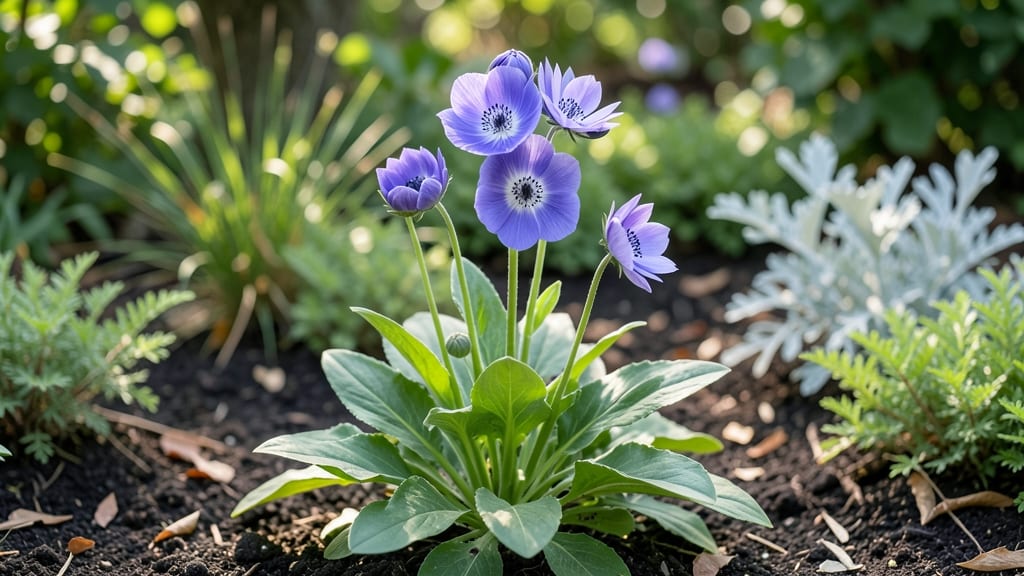
Wondering whether your Balloon Flower 🌸 should bask in full sun or retreat to the shade? The answer isn’t as simple as you might think—this versatile plant thrives in both, but the right light makes all the difference for those showstopping blooms.
If you’re in a hot climate, afternoon shade can prevent wilting, while cooler regions might encourage more flowers in full sun. The key is understanding how light affects growth, color, and blooming time.
I’ll break down the best conditions for your zone and show you how to tweak care for peak performance.
You’ll also discover which Balloon Flower varieties handle shade best and how to spot when your plant isn’t getting enough light. No more guesswork—just lush, healthy blooms all season long.
Ready to unlock the perfect light setup? Let’s dive into the details so your Balloon Flower 🌸 becomes the star of your garden.
 Best Window Placement
Balloon flower sun requirements: how much light for maximum blooms?
If you're growing balloon flowers (Platycodon grandiflorus), understanding their sunlight needs is key to unlocking those showstopping blooms. These hardy perennials adapt well to different light conditions, but their performance varies dramatically based on light intensity and duration.
Too little sun can result in sparse flowers, while too much can scorch delicate petals—especially in hot Southern climates. Let’s break down the ideal light exposure for maximum blooms and how to tailor care based on your region.
The balloon flower thrives in partial shade to full sun, but the sweet spot for vibrant blooms is 4 to 6 hours of direct sunlight daily.
In Northern climates (USDA Zones 3-5), they can handle morning sun with afternoon shade, while Southern gardens (Zones 6-9) benefit from dappled sunlight or filtered shade to prevent heat stress.
The key is balancing light exposure with temperature—cooler climates allow more sun, while hotter areas need protection from intense afternoon rays.
| Light Condition | Sun Hours/Day | Flower Size | Color Intensity | Bloom Duration | Best For |
|---|---|---|---|---|---|
| Full Sun (6+ hrs) | 6-8 hours | Large (2-3") | Deep, vibrant | 6-8 weeks | Cool climates |
| Partial Sun (4-6 hrs) | 4-6 hours | Medium (1.5-2.5") | Moderate | 8-10 weeks | Transition zones |
| Partial Shade (2-4 hrs) | 2-4 hours | Small (1-1.5") | Pale, muted | 4-6 weeks | Hot climates |
| Deep Shade (<2 hrs) | <2 hours | Very small | Fading | 2-4 weeks | Avoid |
In full sun conditions, balloon flowers produce larger blooms with brighter colors, but they need consistent moisture to prevent wilting. If you’re in a hot, dry climate, like Texas or Arizona, opt for morning sun only and use mulch to retain soil moisture.
In cooler Northern states, such as Maine or Michigan, they can handle full sun all day without stress, often blooming 2-3 weeks earlier than shade-grown plants.
For partial shade gardens, focus on dappled sunlight from nearby trees or a north-facing wall. This setup mimics their natural habitat in woodland edges and encourages prolonged blooming. However, avoid deep shade, as this leads to leggy stems and fewer flowers.
If your garden is shady, choose shade-tolerant varieties like ‘Hidcote Blue’ or ‘Fuji Pink,’ which handle 2-4 hours of sunlight better than others.
Did you know? Balloon flowers in partial shade often rebloom later in the season because they conserve energy for secondary flushes. In contrast, full-sun plants may bloom earlier but more intensely before tapering off. To extend the blooming season, I recommend deadheading spent flowers and fertilizing lightly in
Shade-tolerant balloon flower varieties: best options for low-light gardens
If your garden has dappled sunlight or shady spots, don’t let that stop you from growing balloon flowers (Platycodon grandiflorus). While they love sun, some varieties shine in low-light conditions with proper care.
The right shade-tolerant cultivar can transform understory areas into vibrant displays of color while requiring fewer adjustments than sun-loving types.
I’ve grown these perennials in partial shade for years, and the difference between varieties is striking. Some maintain their vibrant blooms with minimal light, while others struggle with leggy stems or sparse flowers.
Choosing the right one for your space can mean the difference between a few weak blooms and a lush, long-lasting display.
Here’s my curated list of the best shade-tolerant balloon flower varieties, including their growth habits, color retention, and care tips for low-light success:
-
‘Hidcote Blue’
Deep blue blooms, compact growth (18-24"), thrives in partial shade. Retains color longer in low light than other varieties.
-
‘White Pearl’
Pure white flowers, slightly taller (24-30"), handles dappled sunlight beautifully. Needs consistent moisture to prevent bud drop.
-
‘Fuji Pink’
Soft pink blooms, mid-height (20-28"), adapts well to deep shade but blooms best with 4+ hours of filtered light.
-
‘Alba’ (White)
Classic white variety, slightly larger flowers (3"), tolerates morning sun + afternoon shade. Prune to encourage bushier growth.
-
‘Blue Boy’
Dwarf variety (12-18"), perfect for woodland gardens. Produces abundant blue blooms even in 2-3 hours of light daily.
🌿 Pro Tip: Mulch heavily in shade to retain moisture and prevent soil temperature fluctuations.
For shade-grown balloon flowers, adjust your care routine slightly compared to sun-loving varieties. I’ve found that shade plants need more frequent watering—about 20% more than sun-exposed ones—to compensate for slower evaporation. A layer of mulch (2-3 inches) helps regulate soil moisture and temperature, which is critical in low-light conditions.
You’ll also notice that shade-grown balloon flowers may produce smaller blooms but often bloom longer into the season. To maximize flower production, deadhead spent blooms regularly and fertilize lightly in spring with a balanced 10-10-10 formula.
Avoid heavy feeding in shade, as it can lead to leafy growth at the expense of flowers.
If your shade spot is very dark (like under dense trees), consider reflective surfaces like light-colored walls or mirrors to bounce extra light onto your plants. I’ve seen 30% more blooms in my ‘Hidcote Blue’ when grown near a white fence in partial shade—worth the small investment!