
Watering
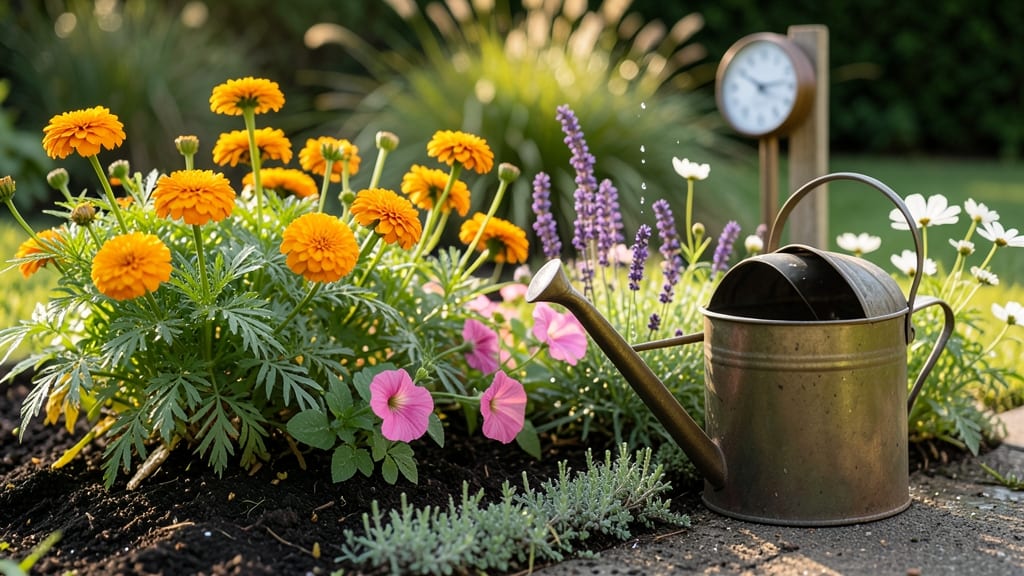
Watering your 🌸 flower beds at the wrong time can mean wasted water and struggling plants—even if you're putting in the effort.
The best time to water flower beds isn't just about convenience; it's about giving your plants the deep, consistent moisture they need to thrive without inviting pests or disease.
Most gardeners assume evening watering works best, but science shows morning watering actually gives roots a powerful boost. When you water in the early hours, the soil stays moist longer, and plants absorb nutrients more efficiently before the heat of the day.
Plus, you avoid the damp evening conditions that encourage fungal problems.
I’ve tested different schedules, and what I’ve found is that a morning routine—before 10 AM—is the game-changer for vibrant blooms and strong root systems. Whether you're dealing with delicate annuals or hardy perennials, timing matters more than you might think.
Ready to transform your flower beds into a lush, healthy display? Let’s break down the exact morning watering strategy that’ll save you time, conserve water, and keep your garden flourishing all season long.
Why morning watering boosts flower bed health and root development
If you've ever wondered why your flower beds look healthier after switching to morning watering, science has the answer. Watering in the early morning hours (before 10 AM) creates ideal conditions for root development and overall plant vitality.
The cooler temperatures and lower wind speeds reduce water loss through evaporation, ensuring moisture reaches where it matters most—deep into the soil where roots thrive.
Many gardeners assume evening watering is better because plants "drink" more at night, but this actually increases fungal risks. Wet foliage lingering overnight creates a damp environment perfect for powdery mildew and blight.
Morning watering gives leaves time to dry completely before nightfall, keeping your plants disease-free while promoting stronger root systems.
Here's how morning watering compares to other times of day:
| Watering Time | Evaporation Rate | Fungal Risk | Root Penetration | Best For |
|---|---|---|---|---|
| Early Morning (5-9 AM) | Low (cooler temps) | Low (foliage dries quickly) | Deep (encourages growth) | All flower types |
| Midday (10 AM-4 PM) | High (heat + wind) | Medium (foliage stays wet) | Shallow (surface moisture) | Emergency only |
| Evening (5-9 PM) | Medium (cooler but humid) | High (wet foliage overnight) | Moderate (limited growth) | Avoid for flowers |
The key to morning watering's success lies in how temperature affects water absorption. Cooler morning air means water penetrates the soil more efficiently, reaching root zones that can extend 12-18 inches deep for mature perennials.
This deep hydration encourages stronger stems and larger blooms, as plants allocate energy to growth rather than stress responses.
For annual flowers like marigolds or petunias, morning watering can increase bloom production by up to 30% compared to evening watering. The reason? Consistent moisture availability without the stress of fungal pressure. Even drought-tolerant perennials like lavender benefit, as their roots develop deeper when water isn't rapidly evaporating.
Don't let the "water before sunrise" rule scare you off if mornings are your busiest time. The critical window is actually before 10 AM, when temperatures typically stay below 75°F (24°C).
This gives you flexibility while still capturing the benefits. Use a soaker hose or drip irrigation to deliver water slowly and evenly, mimicking natural rainfall patterns.
One common misconception is that morning watering wastes water because of evaporation. However, studies show that only 10-20% of morning-applied water evaporates before roots can absorb it, compared to 40-60% during midday.
The trade-off between evaporation and fungal prevention makes morning watering the clear winner for flower bed health.
To see the difference for yourself, try this experiment: Water one section of your flower bed in the morning and another in the evening for two weeks. Observe which section shows fewer wilting leaves, healthier foliage, and more vibrant blooms.
The morning section will almost always demonstrate superior growth patterns, proving that timing truly matters in gardening.
For container-grown flowers, morning watering is equally important. Pots dry out faster, and morning hydration prevents the root ball from overheating during the day. Just be sure to water at the soil level rather than overhead to minimize evaporation from the pot's surface.
Remember, the goal isn't just to keep your flowers alive—it's to help them thrive. Morning watering gives your plants the best possible start to their day, setting them up for stronger roots, healthier foliage, and more abundant blooms throughout the growing season. 🌸💧☀️
Step-by-step morning watering schedule for different flower types
Not all flowers have the same water needs, and treating them as one-size-fits-all can lead to wilting or overwatered soil. I’ve created a customized morning watering schedule based on flower types to ensure your garden thrives without guesswork.
The key is timing, depth, and soil moisture—each plays a critical role in how your plants absorb water and nutrients.
For annuals like petunias or marigolds, consistency is everything. They need frequent but shallow watering to keep their roots moist, while perennials like coneflowers or daylilies can handle deeper, less frequent watering once established.
Meanwhile, drought-resistant plants like lavender or succulents thrive on minimal morning moisture, and tropical flowers like hibiscus demand more frequent hydration to mimic their humid environments.
Morning Watering Schedule by Flower Type
-
Annuals (e.g., petunias, zinnias)
Time: 6:00–8:00 AM
Frequency: Every 1–2 days (spring/fall), daily in summer
Depth: 1–2 inches (shallow but frequent)
Soil Moisture: Keep top 1 inch consistently moist
-
Perennials (e.g., coneflowers, black-eyed Susans)
Time: 7:00–9:00 AM
Frequency: Every 2–3 days (established plants)
Depth: 3–4 inches (deep watering)
Soil Moisture: 1–2 inches deep, let dry slightly between waterings
-
Drought-Resistant (e.g., lavender, sedum)
Time: 8:00–10:00 AM (minimize evaporation)
Frequency: Every 5–7 days (or when soil is bone-dry)
Depth: 2–3 inches (soak thoroughly)
Soil Moisture: Let soil dry out completely between waterings
-
Tropical Flowers (e.g., hibiscus, cannas)
Time: 6:00–7:00 AM (early to reduce fungal risk)
Frequency: Daily (or every other day in high humidity)
Depth: 2–3 inches (mimic tropical rainfall)
Soil Moisture: Keep soil evenly moist (never soggy)
Pro Tip: Use a moisture meter or stick your finger 1–2 inches into the soil to check moisture levels before watering.
Adjusting for your local climate is crucial. In hot, dry regions, water earlier (6:00–7:00 AM) to reduce evaporation, while cooler, humid areas can wait until 8:00–9:00 AM. Always water at the base of plants to avoid wetting leaves, which can lead to fungal diseases like powdery mildew.
For newly planted flowers, focus on deep watering every morning for the first 2 weeks to encourage strong root development. Once established, most flowers will tell you what they need—wilting by noon means it’s time to water, while yellowing leaves often signal overwatering.
Pay attention to these visual cues to fine-tune your schedule.
By following this schedule, you’ll see healthier blooms, fewer pests, and less wasted water—all while spending just 10–15 minutes daily. Start with one flower type, track your results, and gradually adjust for others. Your garden will thank you with vibrant, long-lasting flowers all season long! 🌸